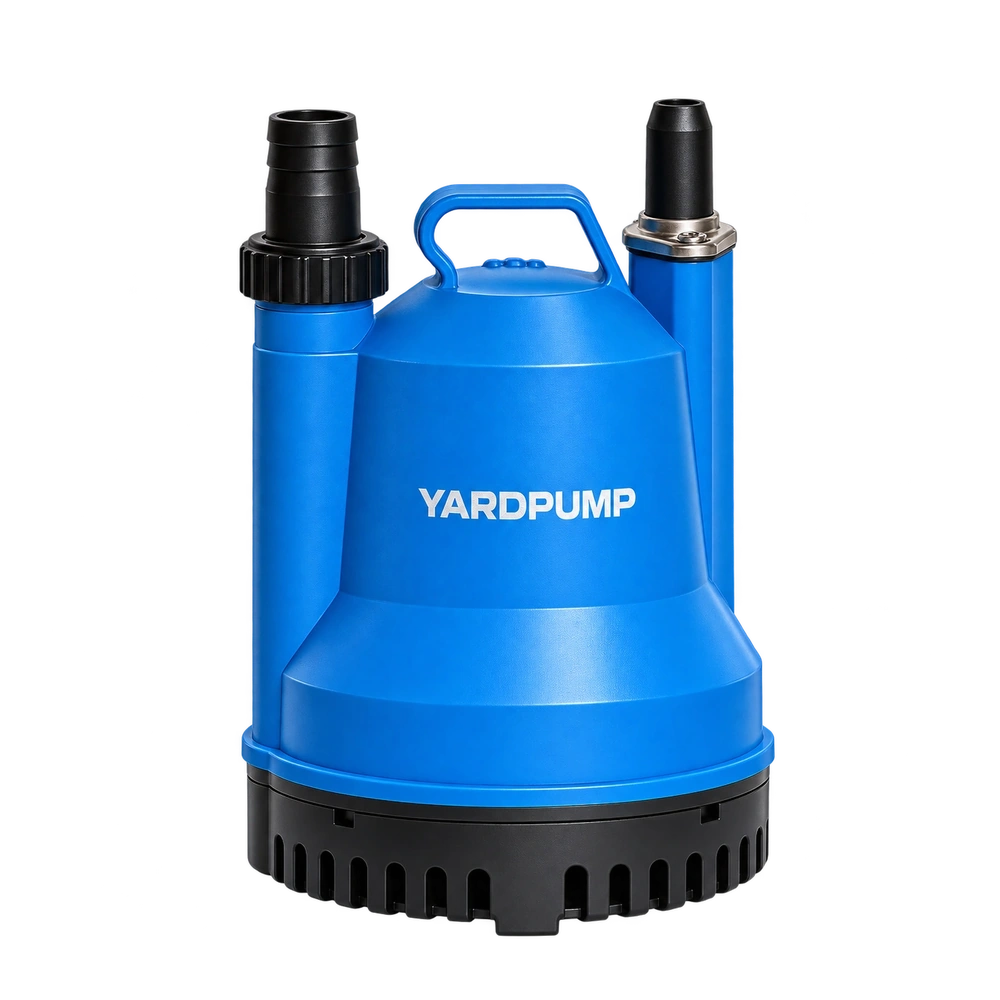
A plastic pump outlet still leaks after tightening. Would a stronger thread sealant solve it? First establish how the joint is intended to seal and whether the plastic, mating connector and sealing material are compatible. Sealant is not a universal repair for cracks, mismatched threads or forced connections. A product suitable for metal fittings cannot automatically be transferred to a plastic outlet.
Locate the actual sealing interface
Some connectors seal through a washer or face seal, while their threads provide clamping. Others use a specified sealing method within the threaded connection. Applying more compound to a washer-sealed joint may leave the real problem untouched: a missing gasket, damaged face or unsuitable support.
Confirm thread form, size and mating material. A fitting that engages for several turns is not necessarily the correct match. Excessive tightening, a mismatched connector or sideways pipe loading can stress a plastic outlet. Sealing material cannot turn an unsuitable mechanical connection into a validated assembly.
| Observation | First checks | Unreliable shortcut |
|---|---|---|
| Leakage near the joint face | Washer, surface and clamping arrangement | More compound on the threads |
| Leakage along the thread | Thread compatibility and intended sealing method | Any sealant sold for metal |
| Fine cracking around the outlet | Material, stress and damage extent | Covering the crack and continuing service |
| Pipe pulling the outlet sideways | Alignment and support | Additional tightening to resist the load |
“Suitable for plastic” still needs a defined application
Plastics include different resins, grades, additives and moulded conditions. Identify the actual outlet material and mating fitting, then compare them with the sealant's declared applications and restrictions. Experience with one polymer does not establish compatibility with every plastic pump casing.
Curing mechanism matters too. Some products depend on particular metallic surfaces and curing conditions. Other products are specifically identified for certain plastic connections. Use the precise product designation and technical information rather than selecting by brand, the phrase “thread sealant” or a general water-resistance claim.
The evaluation should include the liquid, temperature, pressure, exposure time and maintenance requirements. A broad material claim is not a complete joint approval.
Treat a changed sealing method as a changed connection
Consider a hypothetical proposal to remove the original face washer and rely on adhesive instead. Passing a short water check would not make the proposal merely a consumables substitution. It changes the sealing arrangement and material combination.
Assessment should cover assembly, curing, service conditions and later disassembly. Approval needs to identify the tested configuration and its limits. Do not transfer a sealant's catalogue pressure rating to the complete pump connection without supporting evidence.
Installation should follow the pump and fitting instructions, including surface condition and pipe support. There is no universal number of tape wraps, tightening angle or torque for every plastic outlet. Before intrusive repair, stop and isolate the equipment and remove relevant pressure through the approved procedure.
Keep the purchasing evidence connected
Record outlet material, thread or sealing-face design, mating fitting and sealing product in one connection specification. If alternatives are allowed, identify who confirms compatibility and which changes trigger renewed validation. Test samples should be linked to actual material and assembly lots.
A photograph of a sealant container is not evidence that the tested joint used the intended preparation or curing conditions. Record enough information to reproduce the arrangement and understand what was accepted.
For a leak investigation, preserve the initial condition before cleaning or coating it. Examine cracking, thread engagement, washers and external loading. Damaged outlets should follow the applicable replacement or repair decision; hiding a crack under an external coating is not proof of restored integrity.
This article does not recommend one sealing product for every YARDPUMP plastic pump. Any conclusion must apply to the specific material, connection design and confirmed service conditions.
Frequently asked questions
Is thread tape always safer on plastic?
No universal guarantee is possible. Check the intended seal arrangement and assembly instructions. Excess material or unsuitable tightening can also create problems.
Does “water resistant” mean suitable for continuous immersion?
Not automatically. The claim may not cover the actual liquid, temperature, pressure, exposure duration or material combination.
Can an apparently uncracked leaking joint simply receive an outside coating?
Do not assume that resolves the fault. Identify the sealing interface and cause, restore the connection using an approved method and verify the result.