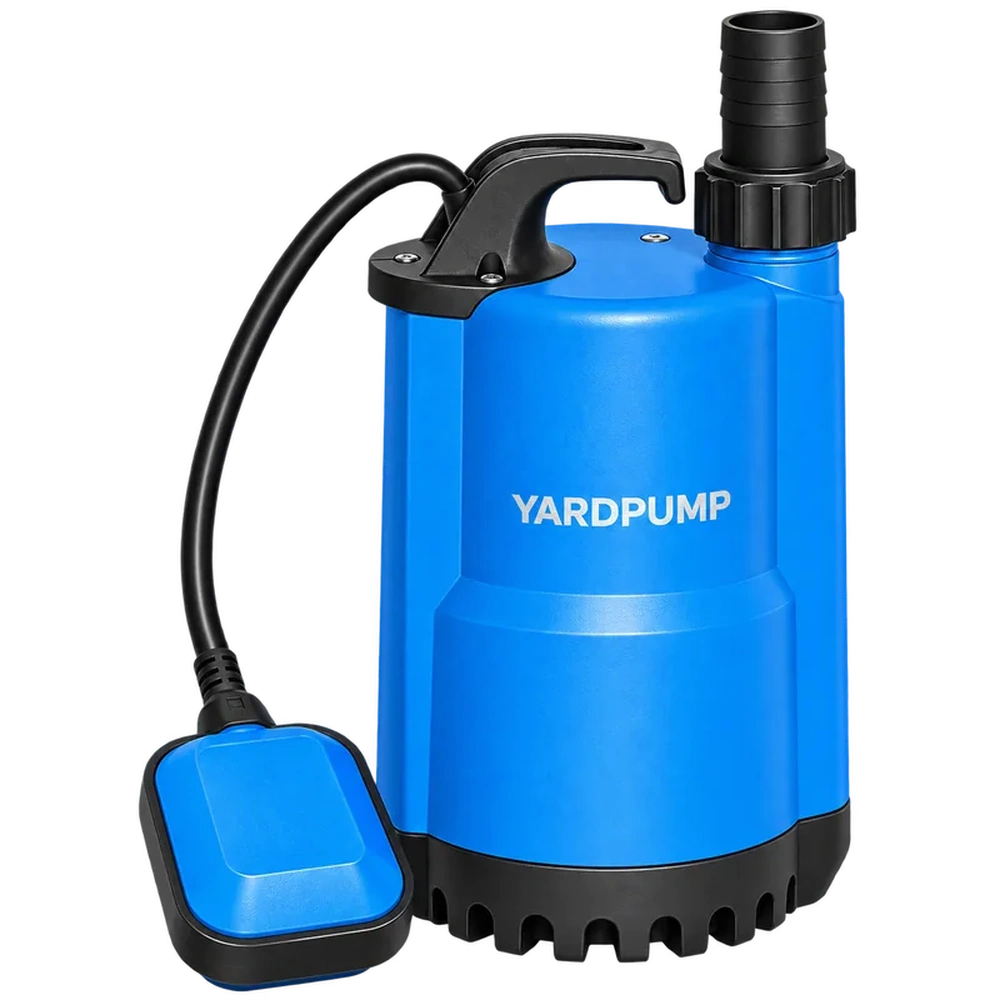
A plastic pump outlet splits along its thread. The customer blames pressure; the factory suspects hose loading. Another path needs examination: incompatible threads or excessive tightening may create sustained assembly stress inside the connection. Check thread definition, sealing method, engagement and tooling separately. Normal running pressure does not exclude an assembly-related crack.
A thread can act as a wedge
Parallel and tapered connections use different mating and sealing arrangements. Some rely on a face seal or O-ring, while others use an appropriate threaded sealing system. Forcing an incompatible metal tapered fitting into a plastic female thread can increase local expansion stress as engagement deepens. A tight-looking connection does not establish correct compatibility.
Matching nominal size is insufficient. Confirm thread form, pitch, taper, engagement and the manufacturer's sealing design. Stop at cross-threading, abnormal resistance or a need for unusually large tool force. Continuing until a fitting appears seated can turn an interface problem into damage. The required installation boundary belongs to the exact connection.
More sealant is not automatically safer
Wrapping material changes effective engagement and tightening feel. Some systems permit a specified sealant; others require another method. Metal-pipe habits should not automatically be applied to every plastic outlet. Extra wraps or adhesive cannot correct an incompatible thread reliably and may hide the original mismatch.
Sealant also needs compatibility with plastic, liquid and temperature. Chemical exposure and tightening stress may act together, but the presence of adhesive alone does not prove causation. Record the specific product, amount, location and timing. There is no universal wrap count or torque value here for all pump outlets.
| Evidence | Failure path it can help assess |
|---|---|
| Exact fitting and outlet standards | Thread, taper or dimensional incompatibility |
| Before-and-after assembly views | Excessive engagement and local expansion |
| Tool and specified torque | Overtightening or undefined technique |
| Sealant, support and pressure history | Combined chemical, external and operating loads |
Timing helps without deciding the cause
A connection that remains dry during assembly but cracks days later may still have an assembly problem. Sustained stress, temperature changes and material condition can delay visible damage. Conversely, crack direction alone cannot exclude pressure transients, bending, material defects or transport damage. Relate time, location and conditions before selecting a cause.
Stop operation, isolate power and remove relevant pressure before competent dismantling. Retain the original fitting, sealant residue and pairing. Photograph the origin, crossed threads and contact marks. Recutting the thread or rewrapping it for another leak trial before examination can destroy the evidence needed to explain the initial failure.
Sealing the crack is not restoring the interface
A cracked load-carrying or pressurised plastic outlet should not return to service through surface adhesive, binding or more tightening. Follow the manufacturer's replacement arrangement, confirm fitting compatibility and support, and complete appropriate checks. Replacing the housing while retaining an incompatible adapter can recreate the same loading.
Distributor instructions should identify the actual connection, permitted adapters, sealing method, tool limits and hose support. An illustration saying only “tighten clockwise” does not establish when to stop. Any numerical instruction needs evidence for the real interface, not a copied value from another size or material.
Validate the supplied combination
Use production adapters, seals and instructions during sample acceptance. Check whether different intended operators can assemble the connection correctly. Combined temperature, pressure and external-load testing may be relevant, with conditions selected by the design owner. A static pressure test of the pump alone does not approve every metal fitting available in the market.
Separating compatibility, assembly stress, external force and operating pressure produces a better investigation. Increasing plastic thickness may leave the actual mating error unchanged. A successful correction addresses the load path and provides an installation method that can be repeated.
Questions about cracked outlets
Does equal nominal size establish compatibility?
No. Confirm the thread standard, taper, profile, sealing arrangement and approved mating parts.
Are extra wraps of tape a useful precaution?
Not universally. Follow the specified connection method; excess material can change the fit and obscure incompatibility.
Can a crack remain in service if it does not leak?
Lack of leakage does not establish safety. Stop and follow the manufacturer's inspection and replacement requirements rather than improvising a patch.