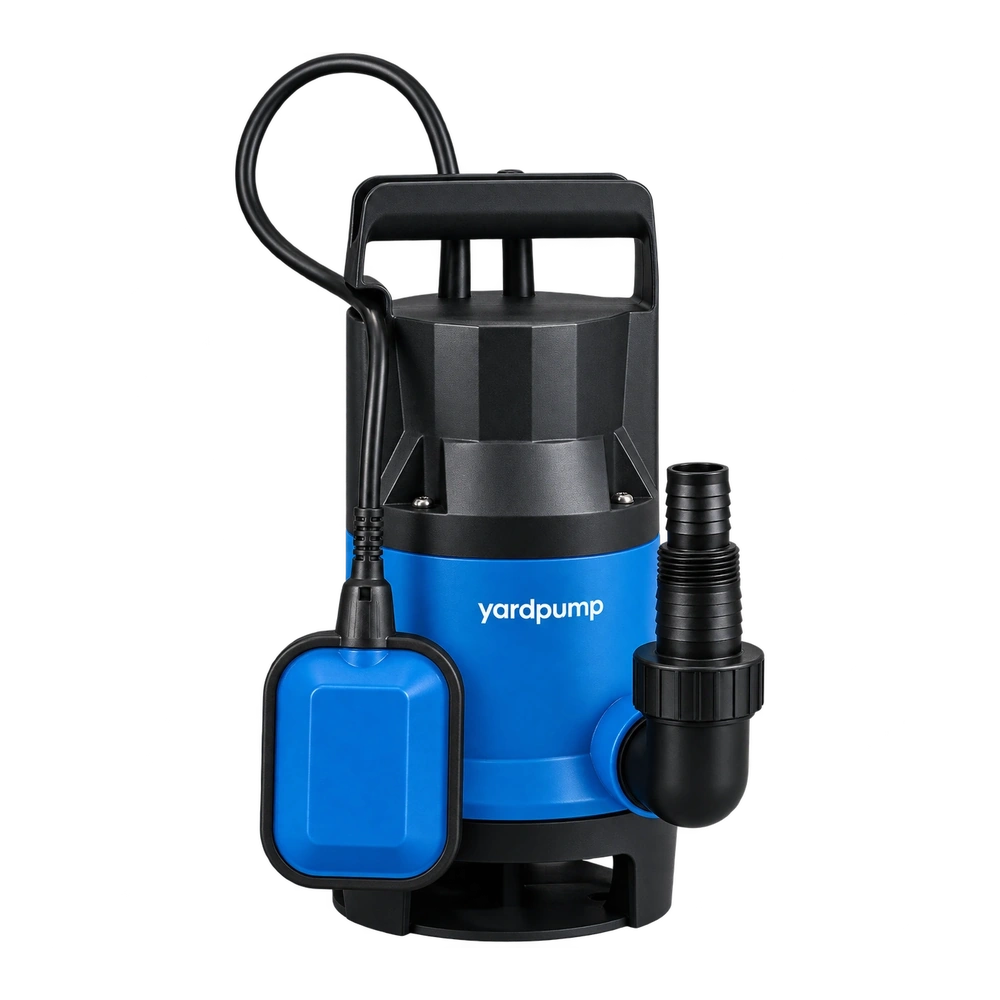
A distributor receives an impeller or seal labelled for the same pump model, but the repaired assembly binds, feels loose or leaks. The technician may not be at fault. The external model name can remain unchanged while the shaft, housing, spacer or internal part revision changes. Interchangeability requires interface and functional evidence.
Appearance, a matching model label and one successful trial assembly are not sufficient on their own.
Separate three meanings of “fits”
The part must first assemble using the approved procedure, without forced fitting, grinding or improvised spacers. Second, the completed assembly must have the correct fits, clearances and seal working positions. Third, it must satisfy the necessary functional checks within the allowed duty. A thread engaging successfully establishes only a small part of that chain.
Material, rotation direction, seal design and fastening can also make geometrically similar parts unsuitable. Before repair, isolate power and release pressure. Qualified personnel must manage stored electrical energy and perform the required post-repair safety checks. Do not remove protection or accept rotating contact merely to make a replacement work.
Check mating parts and revisions together
For an impeller, examine the bore, locating faces, thread or key connection, rotation and axial position. A seal requires the shaft, seat bore, installed working length and contact surfaces. A replacement housing may depend on registers, bolt locations and gasket position.
Critical dimensions need common drawing datums. Measuring one part from a machined face and another from a rough moulding edge can create an apparent match that does not exist in the assembled stack.
For illustration, assume a shaft locating diameter of 9.98–10.00 mm and a replacement bore of 10.01–10.03 mm. The theoretical diametral clearance ranges from 0.01 to 0.05 mm. This establishes only a geometric combination, not an approved fit. It says nothing by itself about operating clearance, concentricity or torque transmission. Acceptability must come from the authorised design and functional requirements.
| Replacement | Mating information | Installed check |
|---|---|---|
| Impeller | Shaft, retention and chamber revisions | Rotation, location, contact and performance |
| Mechanical seal | Shaft, seat and axial stack | Working length, leakage and thermal behaviour |
| Housing or cover | Registers, fasteners and static seal | Clamp condition and pressure boundary |
| Electrical control | Motor and wiring revision | Parameter compatibility and safety functions |
Do not verify tolerances only at their middle values
A nominal sample that assembles well does not establish that the production extremes will work. Review critical dimensional distributions and use approved boundary samples or gauges where appropriate. Soft seals and plastic parts can also change with material condition and temperature, so loose-part room-temperature dimensions are not the whole qualification.
The compatibility matrix should state applicable serial ranges, required companion replacements and prohibited combinations. If a redesign requires a shaft and impeller to be replaced together, put that requirement in the spare package and service information. A note hidden in a factory drawing does not help a distributor select the right kit.
Complete approval with assembly and functional evidence
Trial the part using normal tooling and workmanship. Record relevant assembly force, fastening condition and clearances. Complete the safety, sealing and performance checks required for the model and repair scope. A spare claimed to cover several revisions should be evaluated across representative configurations and critical combinations, rather than one new demonstration pump.
When a mismatch occurs, preserve the original part, replacement batch, measurement datums and contact marks. Assess and isolate affected stock before broad use. Allowing service centres to grind parts locally removes the consistent technical boundary needed to understand subsequent returns.
A spare label should provide a usable revision or compatibility identifier rather than crowding every limitation onto it. Service staff can then identify the pump, consult the matrix and check the physical part. For an unidentified old pump, request the missing information or use an approved repair kit instead of promising compatibility from appearance.
Frequently asked questions
Do genuine same-model spares still need a revision check?
Yes. The model name may not encode every internal change. Use the approved serial-range compatibility record.
Can a washer correct the wrong axial position?
Only where an approved repair instruction permits it. An improvised spacer can change seal loading, fastening and hydraulic clearances.
Does one successful assembly approve production interchangeability?
No. Tolerances, revision coverage and the necessary installed safety and functional results must also be addressed.