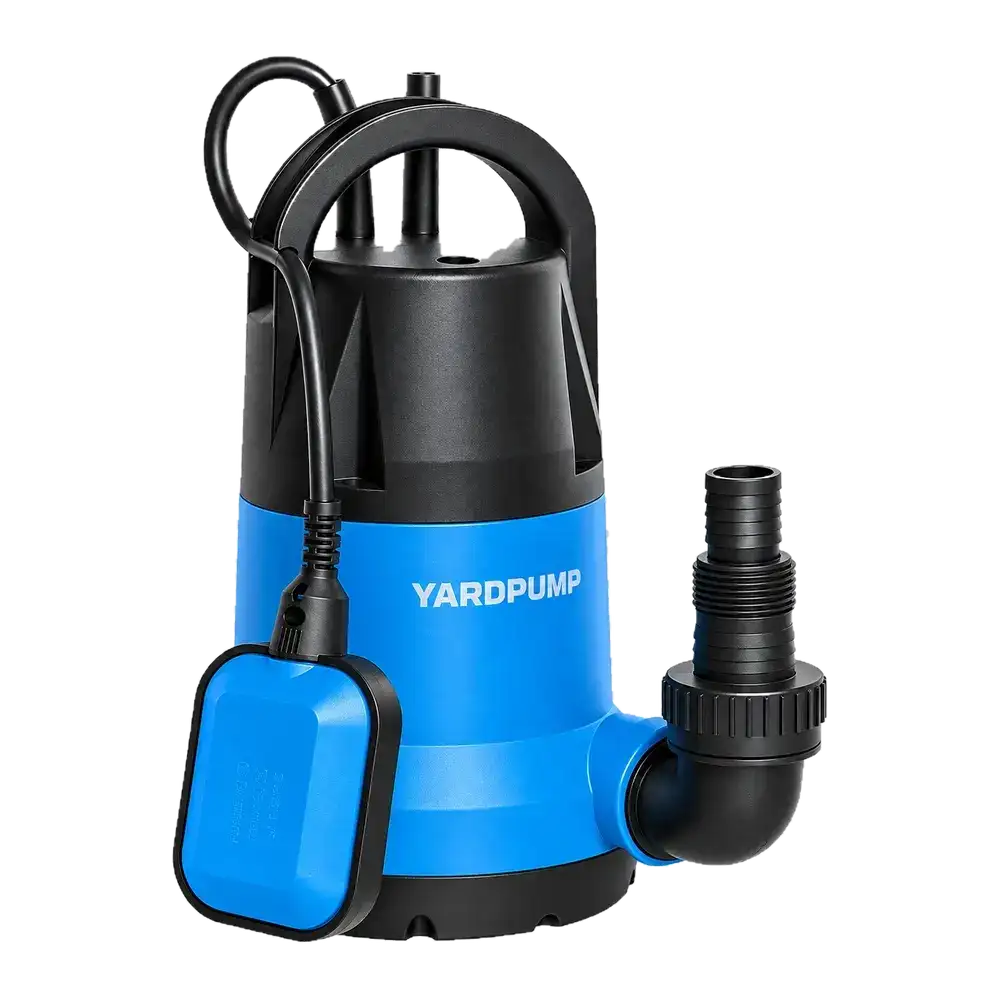
Imagine a distributor replaces a pump after a low-flow complaint. The customer reconnects the same adapter, check valve and hose. The replacement shows the same symptom. Before sending another pump, find out whether the problem follows the pump or the reused discharge kit. A bare-pump test can show that a unit can deliver at a defined duty. It cannot reproduce every restriction outside the outlet.
Preserve the kit as an assembly
Record the pump serial, hose dimensions and route, adapter identification and check-valve direction. Ask whether the hose was kinked, whether the outlet was submerged, and what vertical lift and water levels were present. If the customer can provide safe photos, get them before they detach parts. Identify which parts were carried from the first installation to the replacement; service photos of only the new pump leave that question unanswered.
Treat returned components as potentially contaminated and damaged. A broken, unapproved or contaminated fitting should not be fitted to a live bench. Have a qualified service shop isolate and depressurize the system and decide what can be handled safely. Preserve the original kit and valve orientation as evidence. A valve with an arrow pointing the wrong way is worth documenting before turning it round; correction without that record can erase the connection to the complaint.
Change one boundary at a time
Start with an approved reference setup representing the intended duty, and test the returned pump only after safety clearance. Record measured flow and head, plus operating water level and supply conditions. Then, if the service procedure permits, fit the original kit or individual cleared components, with the same water supply and receiving elevation. Compare at the agreed boundary. Where an unchanged hydraulic duty is required for diagnosis, measure and control it; the same hose outlet height alone does not mean the pump’s head is identical after adding a restriction.
In an illustrative comparison, a cleared unit supplies 52 litres per minute in a reference discharge arrangement. With the returned accessory kit and the same receiving elevation it gives 24. When the compatible valve is exchanged for a reference part and everything else is retained, delivery rises again. This supports a restriction associated with the valve or its connection. It does not prove what happened on the customer’s property, where bends, outlet level or debris could differ. If the returned unit is weak even on the reference setup, keep the pump on the investigation list rather than blaming the kit by default.
Document which action removes the symptom
Record what changed, what was controlled and which measurements moved. Check a suspect valve for direction, full travel, blockage or an inappropriate opening pressure through a qualified, approved service method. Inspect adapter bore and hose for collapse or kinks under operating conditions. If flow improves only when the whole kit is removed, more separation may be needed before crediting or replacing a specific part. A repeatable swap result is more useful than a video that simply shows “low flow.”
Finish the claim with the proven fault, the probable site factors and the approved replacement or installation instruction. Do not ask the end user to cut, drill, defeat a check valve or work on live equipment to recreate the test. When the package leaves the shop, the approved pump and compatible discharge parts should be checked together.
When the kit is returned in pieces, distinguish its documented original order from the order in which it arrived. If no one can confirm the installation, mark the bench arrangement as a reconstruction, not a preserved original.
Frequently asked questions
Is a passing bare-pump test enough to reject the complaint?
No. It confirms that setup only. Ask for the installed conditions and reused accessories before closing the case.
Should we test every returned fitting under pressure?
No. Inspect and qualify it for safe testing first. Preserve unsafe or contaminated parts without putting them on the bench.
If removing a valve restores flow, is the valve definitely defective?
Not necessarily. It may be correctly made but unsuitable for the opening head or installed orientation. Compare against the approved joint and duty.