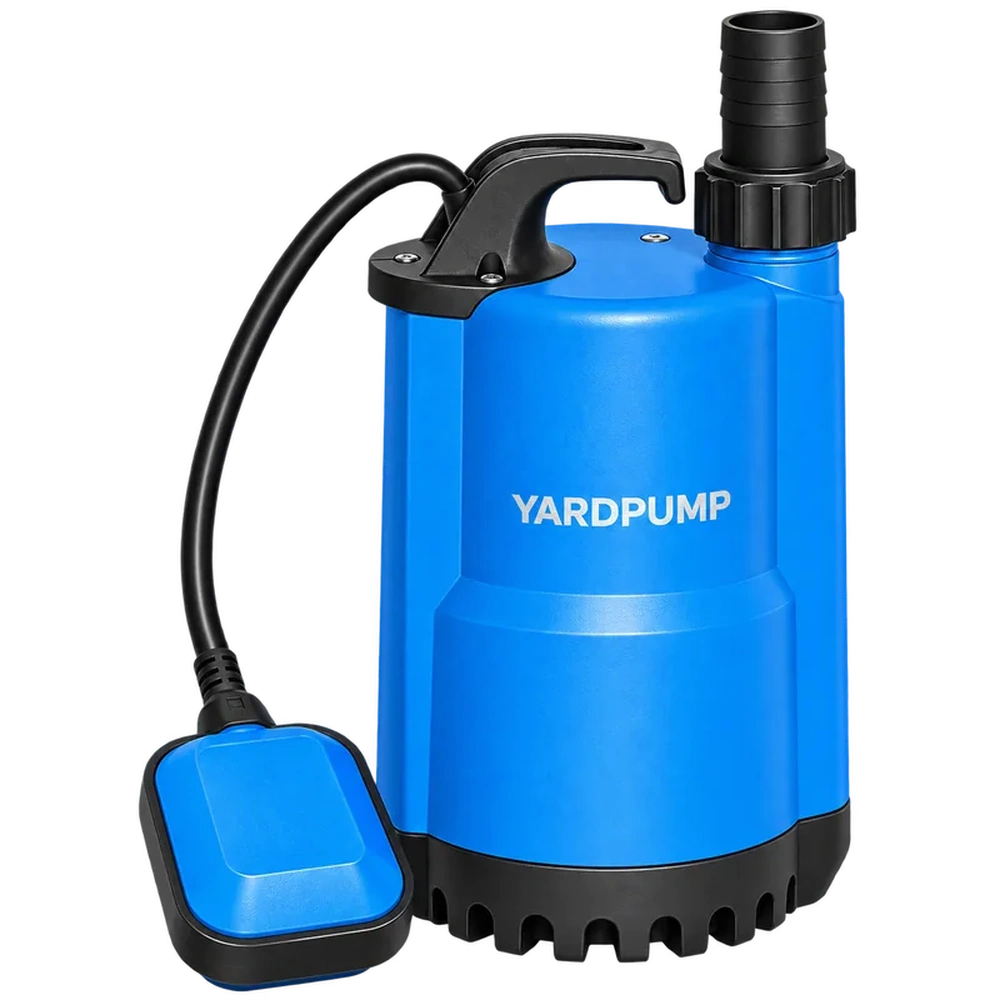
Take the example of matching a blue housing and float. A brand wants a blue pump body and its float to look like a set. Purchasing puts the same blue code on both components, but under shop lighting the production parts look like different shades. Approve the actual housing and float together. Agree which surfaces to compare, under which lighting and what range is acceptable. A nominal code communicates a target. It does not make two plastics, finish textures and colour formulas render alike.
The housing, the float and a photograph are different specimens
The housing can use a different resin or filler, and the float can have a glossier surface. Gloss changes apparent lightness with viewing angle. Two colours can also match in one light and separate in another because their spectral reflectance differs. Do not call every difference metamerism, and do not decide from a sales picture. Lighting, screens and white balance can hide or exaggerate the mismatch. The finished colour also says nothing about float buoyancy, switching or liquid compatibility. Do not change an approved material simply to gain a closer colour.
In a hypothetical review, both sets appear close under the first agreed light. Under a representative retail light, the float in the second set looks more purple than its housing. If the agreement covers both conditions, compare that assembly with the signed set in each one. There is no general numerical limit in that example and no assumption that the two parts must match perfectly. A coordinated light and dark pair can be the intended result if both parties agree before production.
Keep appearance evidence tied to the assembly
Define the approved resin, colourant, finish, suppliers and product version for the sample. Sign the real housing and float in their normal positions and keep photographs for identification. Agree background, viewing angle, distance, light and comparison surfaces. If a range is permitted, keep representative limits. A small curved or textured patch can be difficult to measure repeatably with a colour instrument. Verify the fixture and method first. If flat plaques are used, state their purpose. They may help track the process without replacing the assembled appearance check. Do not mix colour-difference results from different methods as though they were equivalent.
Check actual units under the agreed conditions. If water, oil or abrasion changes a surface, record the defect separately instead of assuming the batch colour changed. Compare multiple assemblies rather than choosing the two loose pieces that match best. Keep appearance batches linked to the product versions; a signed sample for one float is not approval for another. If a formulation or base material must change, follow change approval and recheck material and wet float function as appropriate. Extra coatings or field labels are not a fix for shade mismatch.
Say whether the code is a design target or an acceptance condition
A designer may accept more than one coordinated shade. Make that range visible with an assembly standard. The order can state that the combined signed sample controls appearance while the switching and liquid requirements remain separate. Put the code, sample, photographs and product version on one record so receiving and the supplier have the same reference when a shipment is disputed.
If a carton window shows only part of the float, say how that view relates to approval of the unpacked assembly. Keep examples of the packaging and the parts from the same lot. A tinted film or display window can shift appearance without any change to the moulded components.
Frequently asked questions
Can identical blue in a phone picture qualify the colour?
The picture helps trace the sample. Use the agreed light and physical assembled parts for acceptance.
Will the same colourant match two plastics?
Not necessarily. Substrate, formulation, surface and process all influence the visible result.
Can the float colour change without a functional check?
Appearance does not release function. Verify any change that could affect the float or switch under the approved process.