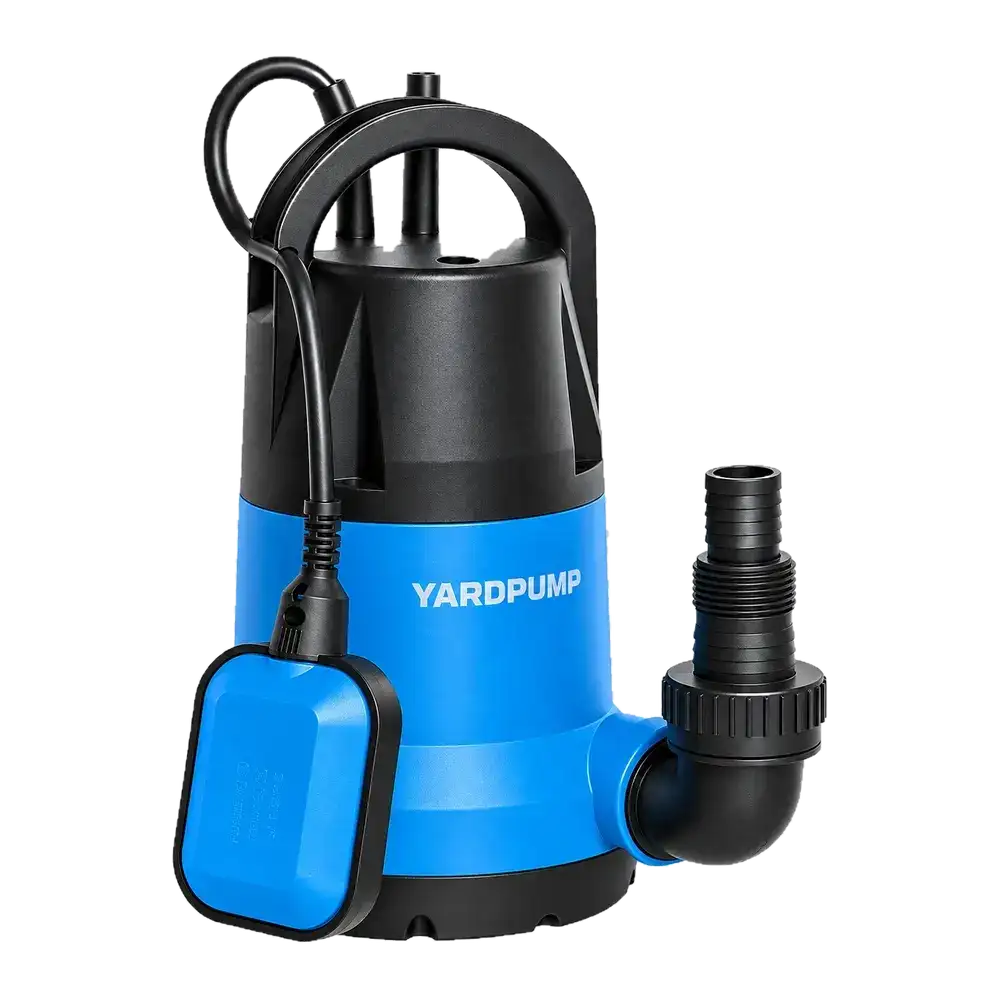
A distributor wants to return a used pump. The service engineer asks that sediment and water marks be preserved, while the receiving warehouse requires clean equipment. These needs can be reconciled: record the original condition safely, then follow an agreed cleaning and shipping procedure. Sending a dirty pump unchanged is not automatically better evidence, and making it look spotless does not automatically make it safe to transport.
Identify what the pump has handled
Clean water, domestic greywater and an unknown contaminated liquid require different decisions. Tell the receiver the liquid category, relevant temperature, possible chemical residues and known contamination concerns before shipment is approved.
The receiver can then determine whether it can accept the equipment, what preparation is needed and whether specialist handling is necessary. Preserving evidence does not justify sending undeclared hazardous residue to a general warehouse.
Isolate power, prevent accidental restarting and drain the equipment safely according to its instructions. Do not ask a user to energise a suspect pump again to demonstrate electrical leakage. Unknown contaminated water should not be handled casually. Confined spaces, chemicals and special contamination require suitable personnel and the applicable handling and carrier arrangements.
Record evidence that cleaning will remove
Before dismantling, photograph the complete pump, inlet, outlet, sealing interfaces, cable entry and serial identification. Record the location of residue, water lines and deposits. Use close views with a useful scale, together with wider installation photographs.
A float obstructed by debris may look completely normal once cleaned. Likewise, removing a deposit can erase its location relative to a leaking joint. The goal is to preserve the information, not necessarily every physical contaminant.
If liquid or sediment samples are genuinely needed, the receiver should specify their analytical purpose, collection method, container and permitted transport conditions. An unlabelled bottle of unknown water placed inside a pump carton can create risk without providing usable evidence.
Make cleaning part of the history
Agree which surfaces may be cleaned, the approved method and any restrictions on soaking or high-pressure washing. External cleaning is different from opening a motor chamber. Unauthorised dismantling can destroy the suspected ingress path and introduce electrical risk.
Link the cleaning date, person, method and before-and-after photographs to the same return number. This lets the service centre distinguish the original condition from changes introduced before receipt.
An illustrative sequence might document fibres around an inlet, remove external fibres under an approved procedure, drain the unit, record the packed condition and then send it for competent electrical and sealing inspection. This is a workflow example, not a claimed customer incident.
Consolidation must not mix the evidence
Decide whether the investigation needs the complete pump, a specifically identified part or a local professional inspection. The choice should follow the failure question and risk rather than freight price alone.
When several returns travel together, keep their identities and packaging separate. Residual water from one unit should not soak the others and create apparently similar damage across unrelated cases. Record receipt date, package condition and opening photographs.
Agree freight, inspection charges, no-fault-found handling and disposal responsibilities in advance where possible. A commercial cost dispute should not delay necessary withdrawal of unsafe equipment from use. The actual transport and contamination procedure must fit the liquid, route and carrier conditions.
What the process should achieve
A useful return arrives with an understandable original condition, a clear preparation history and a safe receiving arrangement. This gives engineers a better basis to separate field conditions, transport damage and product faults. It also reduces arguments caused by an undocumented cleaning step rather than by the pump itself.
Packing orientation matters because residual liquid can move after the pump is inverted. Use the receiver-approved orientation, containment and handling identification. Keep preparation records attached to each physical identity. In a consolidated return, applying one unit’s liquid history to another can create a false failure explanation even when both pumps arrived without additional transport damage.
Questions about returning used pumps
Must the pump be cleaned before diagnosis?
Not always. Record relevant external evidence first, then perform cleaning and inspection in the approved order.
Does sediment automatically make the user responsible?
No. Consider the declared liquid suitability, installation and failure path. Deposits alone do not allocate responsibility.
Can photographs settle every claim?
They can support initial triage. Electrical safety, internal damage or material analysis may still require a suitable physical examination.