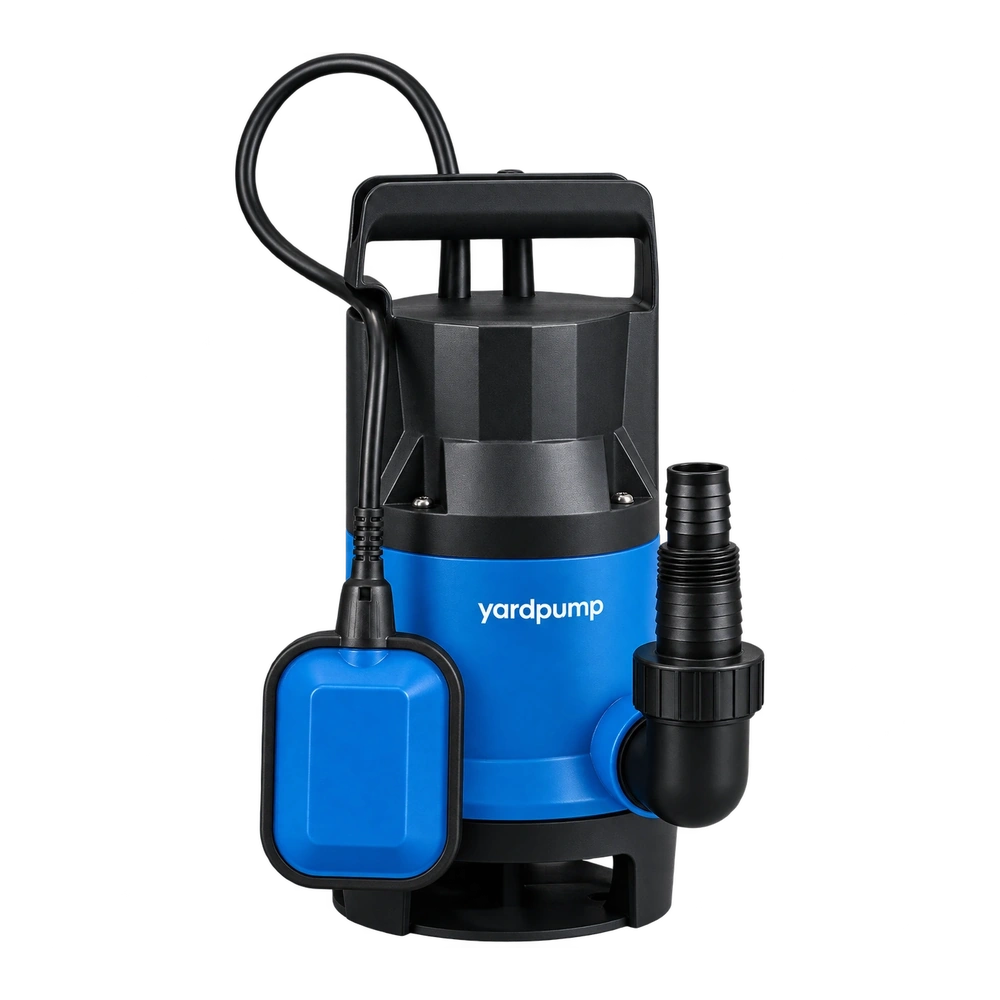
When two pumps look alike and one weighs 600 grams more, buyers may conclude that it contains more copper and must be better. Weight can reveal a change, but it cannot by itself prove winding material, lamination quality or service life. Housing, base, oil, cable, accessories and even unintended ballast all affect the number. Translate weight back into traceable components.
What drives the result
Net mass is the sum of many parts. A longer core can add mass, while steel grade, stacking and winding design still govern electromagnetic behaviour. Thicker plastic can increase local stiffness or simply indicate inefficient geometry. A longer cable adds substantial weight without directly improving hydraulic performance. Gross carton weight adds moisture, manuals and adapters, making the inference weaker.
An illustrative way to check
Record dry bare-pump mass, cable-and-plug mass, accessory mass and carton gross mass separately, then compare each with the approved BOM range. A 300-gram increase may be fully explained by changing from a five-metre to ten-metre cable. If cable and accessories are unchanged while the motor module becomes much lighter, investigate further.
Translate pump weight versus quality into a signed record before the purchase order, not an argument at final inspection. Define sample identity, measurement boundary, instruments and units, stabilisation conditions, decision rule, retest method and disposition of a failure. The record should trace to the exact model, BOM revision and production lot. Photographs can preserve condition but cannot replace numerical evidence. If either party proposes a different acceptance method, document the risk changed by that revision before approving it.
Actions for the site or purchasing team
- Create baseline ranges for the complete unit and important modules when approving the sample.
- Standardize dry condition, cable length, accessories, packaging and residual liquid before weighing.
- Combine weight with winding resistance, core dimensions, material evidence and performance tests.
- Disassemble the weight difference by module and review the engineering change record.
- State whether net or gross mass is contractual and what its tolerance means.
Limits and application boundary
Weight is a screening signal, not a material-identification method. Conductor composition and compliance claims require agreed documentation, inspection or laboratory analysis.
Frequently asked questions
Does a heavier motor always contain more copper? No. Core, housing, shaft and encapsulation also change mass.
Is net weight useful for incoming inspection? Yes as a screening check, but only with module and performance evidence.
How much weight loss proves cost cutting? There is no universal figure; compare the same approved BOM revision and change record.
Related reading
Where Does Submersible Pump Cost Go? Understanding the Motor, Cable and Seal BOM
Which Hidden Pump Specifications Need Checking? Detecting Undisclosed Cost Changes