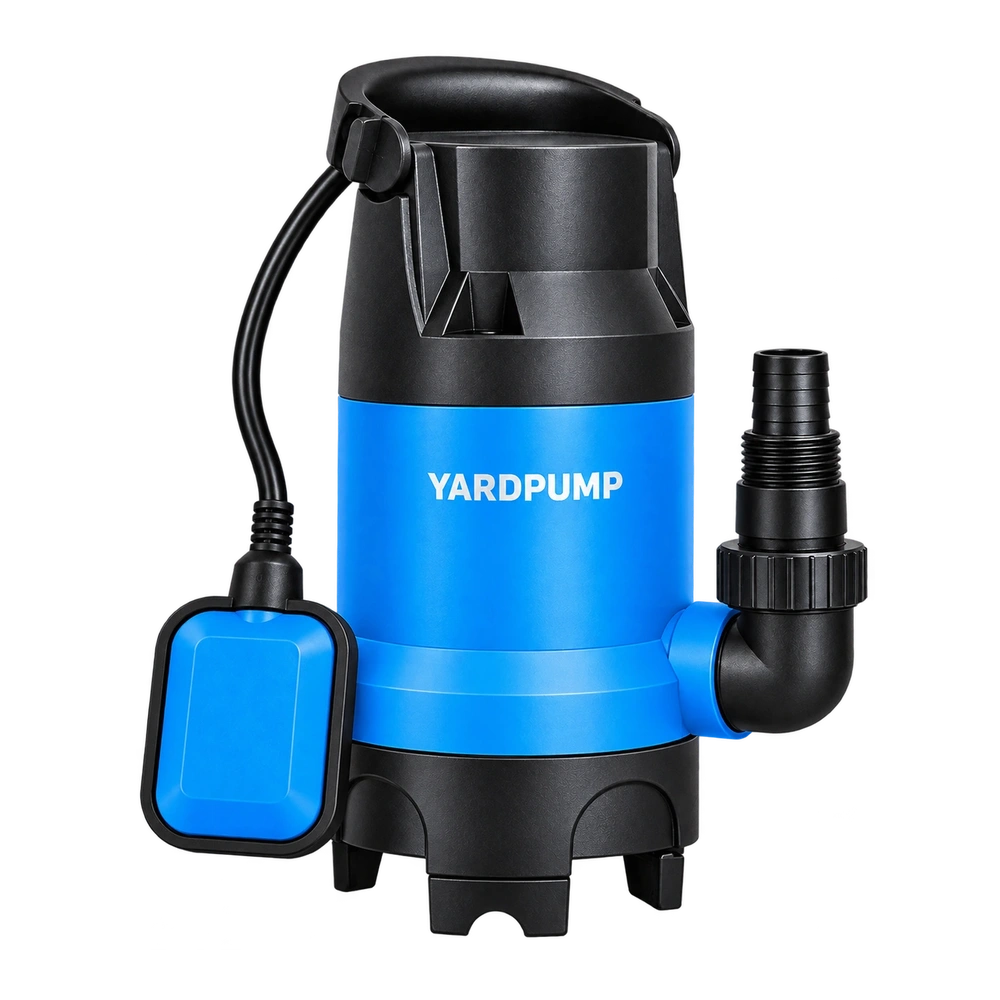
A distributor receives a submersible pump reported to have stopped delivering water. The return bag still contains water, and there is a rust-coloured mark beside a fastener. Preserve the mark, but do not use its colour to date the failure. Wet packaging can let corrosion continue, move liquid to a different place, or simply retain water left at the site. The arrival condition is evidence of what arrived. It is not automatically a picture of the pump when it failed.
Put four stages on the timeline
Ask when the pump last worked, when the symptom appeared, how it was stored after isolation, and when it was packed. At intake, record the condition of the outer package, where water lies in the bag, the pump's orientation, and whether the plug or cable end got wet. Keep original field photographs with their dates and locations, not just a forwarded screenshot. A photo of the outside that shows no rust cannot rule out a mark on an unseen internal surface.
Use the approved return intake and contamination procedures. Record and photograph before cleaning or handling changes the evidence. Do not smell, pour away or ship unidentified liquid without following the appropriate process. Do not reseal wet electrical parts to preserve humidity or energise the return to see if it has recovered. Have qualified staff isolate it and use the approved model-specific procedure for teardown and electrical inspection.
Relate the mark to a possible path
Suppose marks on external fasteners line up with the bag's waterline while the cable entry and internal seating surfaces show no confirmed wet trace. Investigate the packaging exposure first. It does not prove that the pump has no fault. If a dated field photograph already shows leakage from the same joint and the technician finds a continuous matching trace inside, that field path deserves closer attention. Keep evidence from the hydraulic section, oil chamber and motor compartment separate. Water can move when the return is turned or a housing opened; droplets seen after disassembly are not automatically original entry points.
For a hypothetical timeline, the pump is stopped on Monday and photographed at the housing and cable entry. It is bagged on Wednesday and arrives Friday. Monday's image shows a dry cable entry but does not show the shaft seal. On Friday there is water in the bag and spotting on the exposed washer. The record can say, “wet packing exposure observed; condition at the shaft seal on Monday unknown.” It cannot accurately say “two days of rust.” Use the dated evidence to choose a hydraulic check that addresses the actual complaint and compare an equivalent, documented unit where useful. A dry comparison unit does not eliminate every site variable.
Turn the evidence into a service decision
Separate observations, possible explanations and checks still needed. If the complaint was reduced flow, compare liquid, hose, inlet condition and duty before assuming a sealing failure. Signs of electrical leakage, protection trips or unknown liquid in an electrical area require continued isolation and professional assessment. A receiving team should not decide warranty responsibility from rust colour or package odour. Repeated evidence associated with a component lot or assembly change may warrant a wider investigation. Mark any units the evidence cannot yet exclude. A precise location and time are worth much more than a confident guess about when damage began.
When several parcels arrive, record their transit time and packaging condition separately. Similar packaging does not prove the same moisture exposure for each unit.
Frequently asked questions
Can red or white deposits identify saltwater exposure?
Not by appearance alone. A documented liquid, suitable sampling and the operating history are better evidence.
Should we wash a return before taking photos?
Record the as-received condition under the approved safety procedure before cleaning. Washing can remove location evidence.
Is a wet bag proof that water entered the pump in service?
No. It could contain retained liquid, outside water or liquid that moved in transit. Compare the dates and physical path.