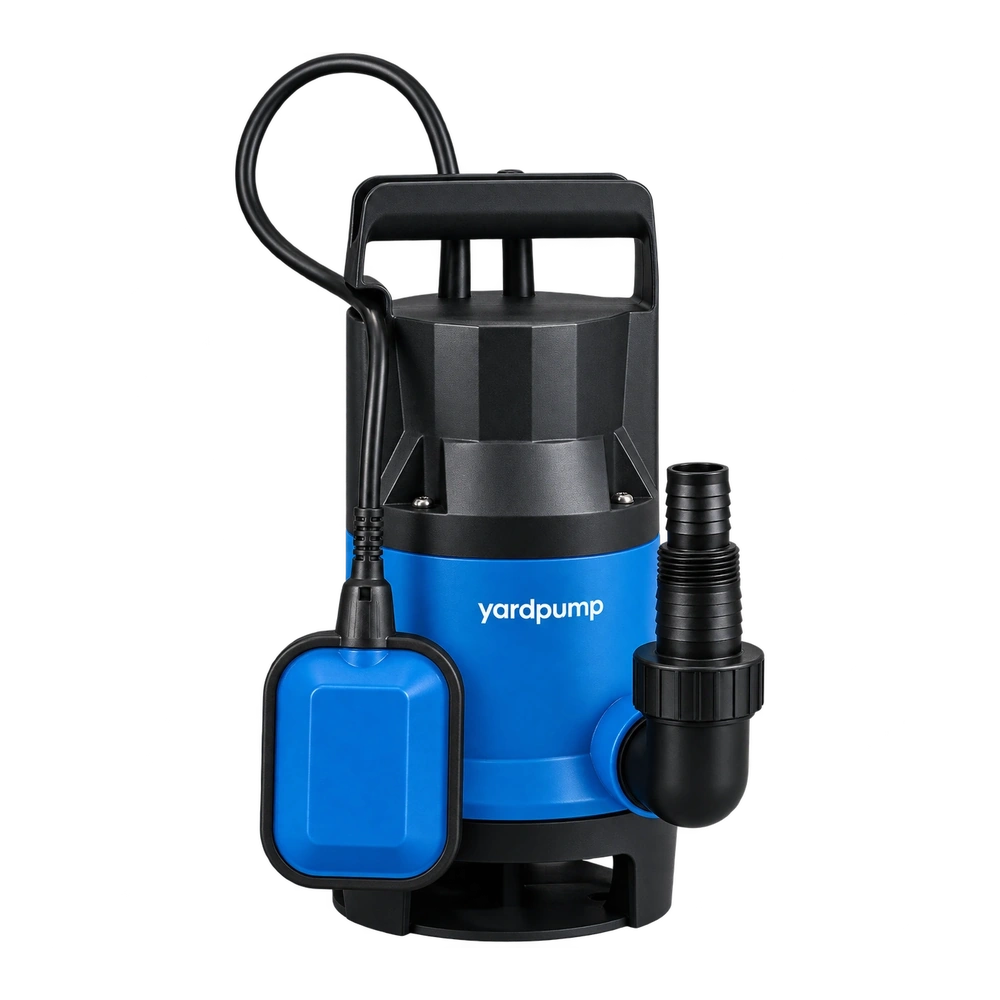
A pump stored for a year may sit in an intact carton yet no longer be in its shipment condition. Warehouse heat, cold, humidity, sunlight, stacking and pests affect packaging, cable, elastomers, metal and electrical components. A distributor should define inspection by storage duration and environment rather than energising the pump for a few seconds before sale.
What drives the result
Elastomers can take compression set, cable can harden or crack at bends, and metal fittings can corrode where condensation forms. Capacitor and insulation condition may change with time and temperature. Moist cartons lose stacking strength, while load can distort handles, floats or adapters. If a stored pump retained water and later froze, hidden hydraulic cracks are possible.
An illustrative way to check
A risk-based programme can separate short controlled storage from stock that crossed seasons or experienced high heat and humidity. The first may need appearance and sampled function checks. The second adds appropriate insulation, starting, water-run and leakage sampling. Any lot with water exposure, freezing or collapsed cartons is isolated for engineering disposition. Actual thresholds belong in the product and warranty policy.
Translate pump long storage retest into a signed record before the purchase order, not an argument at final inspection. Define sample identity, measurement boundary, instruments and units, stabilisation conditions, decision rule, retest method and disposition of a failure. The record should trace to the exact model, BOM revision and production lot. Photographs can preserve condition but cannot replace numerical evidence. If either party proposes a different acceptance method, document the risk changed by that revision before approving it.
Actions for the site or purchasing team
- Record receipt date, lot, storage location, temperature or humidity exceptions, stacking and water incidents.
- Sample carton strength, mould, corrosion, cable bends, plug, float freedom and accessory completeness.
- Perform defined insulation, start, water-run, leakage and performance checks according to risk.
- Use true first-in first-out rotation so newer stock does not repeatedly hide older cartons.
- Before resale, confirm warranty start, manual revision and destination-market labels.
Limits and application boundary
Qualified personnel should perform electrical retesting with suitable equipment. Insulation anomalies, housing cracks or evidence of water ingress require segregation, not cosmetic cleaning.
Frequently asked questions
Does an intact carton remove the need for inspection? No. Temperature, humidity and compression effects may not be visible outside.
May a stored pump be dry-run briefly? Use the model's approved test method; dry running must not be assumed.
Does storage ageing affect only packaging? It can also affect cable, seals, capacitor, insulation and metal parts.
Related reading
How Many Pumps Should a Distributor Reorder? A Stock-Cover Method
Before You Open a Returned Pump: An RMA Evidence Checklist for Distributors