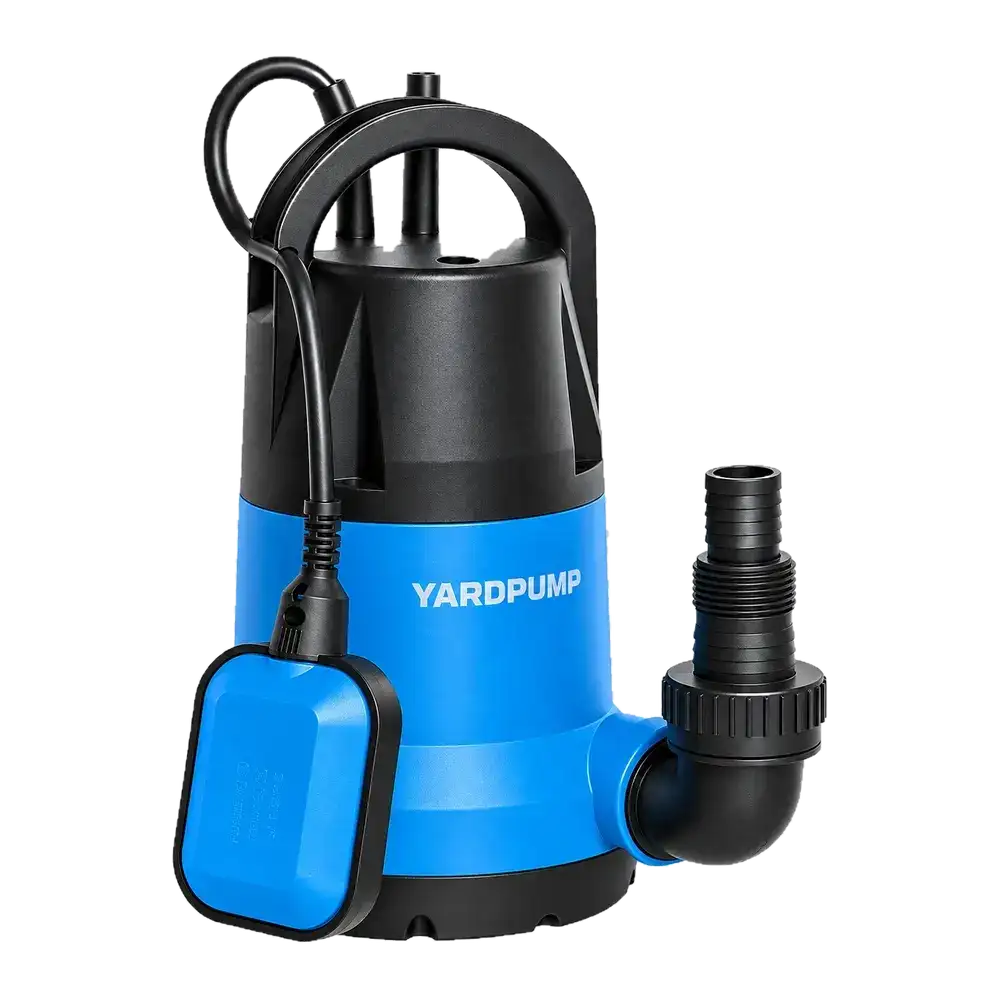
A typical warehouse error involves two pumps with the same housing: one has a different voltage and the other a different accessory pack. Appearance and carton colour are weak controls for these distinctions. Connect the sellable SKU, physical configuration, packaging identification and dispatch check so lookalike products can be separated at the points where mistakes occur.
Give the SKU a definite configuration
Voltage, frequency, plug, cable length, float and accessories can create different supply versions within one model family. Decide which differences need separate stock codes according to sales, inventory and applicable market requirements.
A single code should not represent incompatible configurations without a controlled selection rule. Internal part numbers, customer numbers and retail barcodes may differ, but their mapping must be stable and available to the warehouse.
Operators should not have to infer the current order from a customer's previous purchases. Promotional bundles and market changes make that shortcut particularly unreliable. The current order and approved configuration should determine what is picked.
Make the difference visible where picking happens
Carton and location information should identify the important configuration clearly and match the actual approved product label. Colour can assist separation, but it should not be the only control. Old packaging, printing variation and individual interpretation can all weaken a colour-only system.
For easily confused neighbours, consider distinct locations, concise configuration descriptions and scannable identification. In an illustrative case, two identical-looking pumps might differ between a 230-volt supply version and a 115-volt version with another plug. A scan should compare the specific SKU and quantity with the order, not merely confirm that a pump-family barcode was recognised.
A system that identifies only the family has not controlled the electrical configuration. The data and the transaction need the same level of detail as the risk.
Give accessory packs their own identity
A correct pump can still leave with the wrong adapter, sealing washer or instruction booklet. Identify the accessory combination or pack revision so the packing station can check pump, accessories and carton together.
If a box is reopened to add a part, confirm the pack again before resealing. Otherwise, a previously checked state can be invalidated without any change in the dispatch record.
At a configuration transition, define whether old and new stock may be mixed and whether substitution is allowed. Similar shape does not establish compatibility. Technical and commercial approval should control substitutions rather than leaving the warehouse to select something that appears close enough to meet a deadline.
Test the control with deliberately similar options
Before release, use controlled mock orders containing the correct SKU, a lookalike with a different voltage, an incorrect accessory pack and a quantity mismatch. Observe whether the process detects each issue before dispatch. Ensure test items cannot enter a real shipment.
These exercises test the control; they do not establish an actual shipping-error rate. If a second-person check is used, that person should independently compare the original order and physical goods, rather than repeat the first operator's selected description.
Scanning is also dependent on correct labels and master data. A duplicated or misprinted barcode can quickly confirm the wrong information. Control label generation, access to substitutions and configuration changes as part of the same system.
Investigate the error path after a mistake
Retain the order revision, picking and packing records, scan result, batch identity and reason for any exception release. These can separate wrong-location selection, master-data error, mixed returns and uncontrolled accessory replacement.
The correction should address that path. Adding another reminder sheet after every incident is unlikely to control a data mismatch or an unrecorded repacking operation.
Returns create another mixing route. A correct carton may contain a substituted pump, missing accessories or a different booklet. Returning stock by the carton code alone can corrupt later orders. Confirm condition, configuration and saleability under the approved process before assigning its location. Opened or inspected goods should retain a visible status rather than silently rejoining untouched stock.
Questions about lookalike stock
Does every difference require a new model name?
No. Model, configuration and stock codes can be managed at different levels, provided the delivered version is uniquely identifiable.
Is scanning the serial number enough?
Check that its configuration mapping matches the order. A valid number does not itself establish a correct version.
Should similar SKUs be stored together for speed?
That may reduce walking but increase confusion. Balance picking frequency, meaningful differences and verification capability when arranging locations.