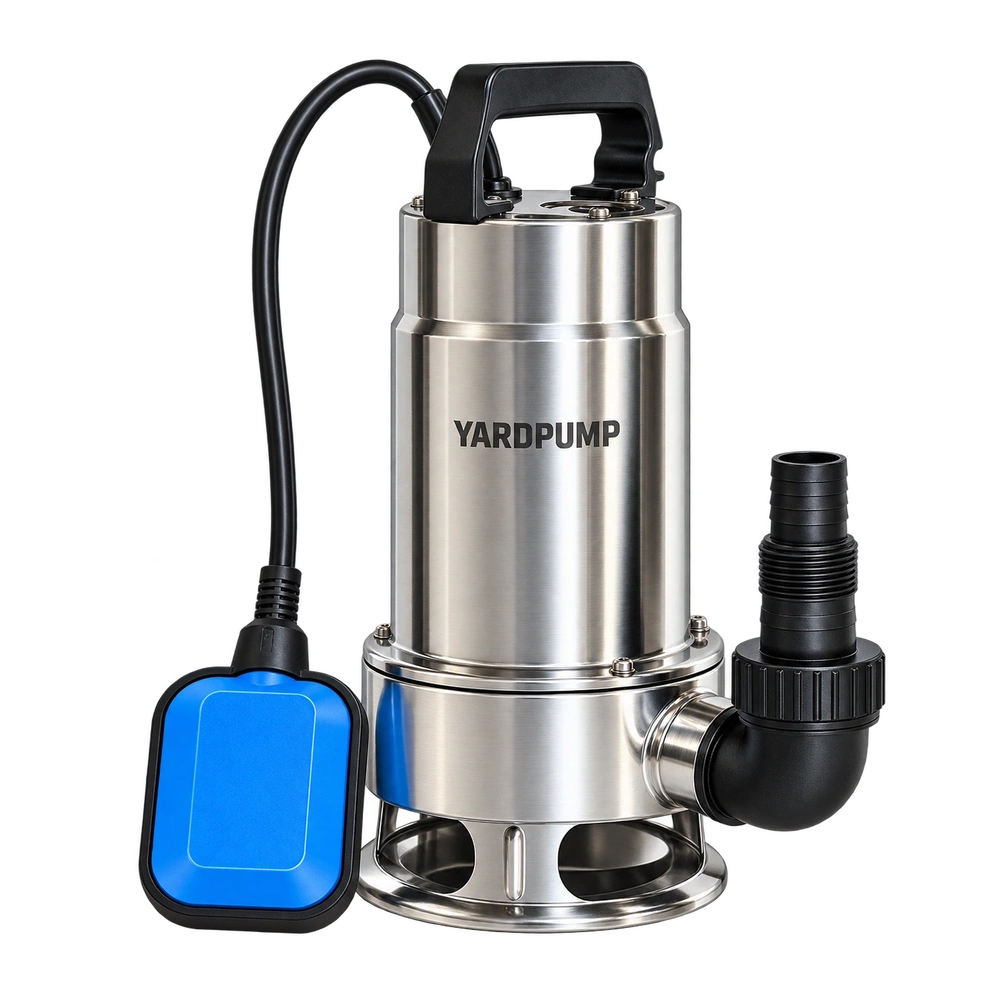
A supplier says a pump has dry-run protection. Ask what the pump senses, when it stops, what is protected and how normal service resumes. Those answers determine whether the claim addresses an unattended low-water event or describes a backup response after the pump has already heated.
Identify the condition that triggers the stop
A design may respond to temperature, current, conductivity, level or another signal. Each method has blind spots and timing. A thermal device may act only after parts heat. An electronic sensor may depend on installation and liquid properties.
Ask the supplier to distinguish low-water stop, loss of hydraulic load and thermal protection. A float can turn off a pump before the inlet runs out of water if it travels freely and is set correctly. A current-based device has to interpret a change in load, which can also occur for reasons other than running out of water. A temperature-based response depends on how quickly heat reaches the protected area. Each protection has an installation and measurement condition.
For example, automatic restart after cooling can be a feature or a hazard depending on the installation. The acceptance plan must state whether unattended restart is allowed and how it is indicated.
Establish a test boundary for the exact assembly
Require sensing principle, protected components, triggering condition, maximum response, reset mode, event count assumption and post-event acceptance. Use a guarded engineering test designed by qualified personnel. Do not ask operators to run retail samples dry casually.
Define the starting water condition, allowed operating mode, liquid and installation position. Obtain the supplier’s test and acceptance evidence for the exact motor, controls and wet end. Ask how delay is measured, how the device indicates a trip and whether it locks out or attempts a restart. Where test evidence is incomplete, a qualified lab can use the manufacturer-approved protected setup. A pump sample should not be challenged outside its authorized test method.
For a tested event, ask which post-event checks establish that the pump still meets its duty and safety requirements. A unit that starts again may still need a seal, electrical or hydraulic check. Repeated events can impose more exposure than a single trip. Require a stated basis for the allowed number or use scenario.
Put the verified limits in the instruction and label
Approve only a documented protection behaviour integrated with the complete pump, instructions and control system. Keep unsupported “dry-run safe” wording off packaging.
The package can describe the verified response in ordinary terms, such as a low-water stop under the approved switch arrangement. Give the start and stop conditions, restart behavior and required user action in the instructions. Review the claim again if a different float, control firmware, pump head or motor is shipped under the same commercial name.
Check how the product treats a borderline condition. A float can hang up on the wall, and a sensor that contacts the liquid can respond differently after fouling or with another liquid. Where these conditions are relevant, require the supplier to describe what the operator will see and which inspection or maintenance restores the intended function. Tie the evidence to the proposed pump and installation. A protective response that depends on a controller mounted separately should appear as a system requirement.
Frequently asked questions
Does an internal thermal protector count as dry-run protection?
Ask what event it detects and what parts it protects, and request evidence for the dry-run claim. A motor cutout alone may leave other parts exposed.
What if the product restarts when the water returns?
Record whether restart is permitted in the installation and how it is indicated. Verify the control sequence and the defined water levels with the final assembly.
Can one successful stop qualify all versions?
Tie the evidence to the actual pump and control. Evaluate changes that affect sensing, cooling, response time or restart logic.