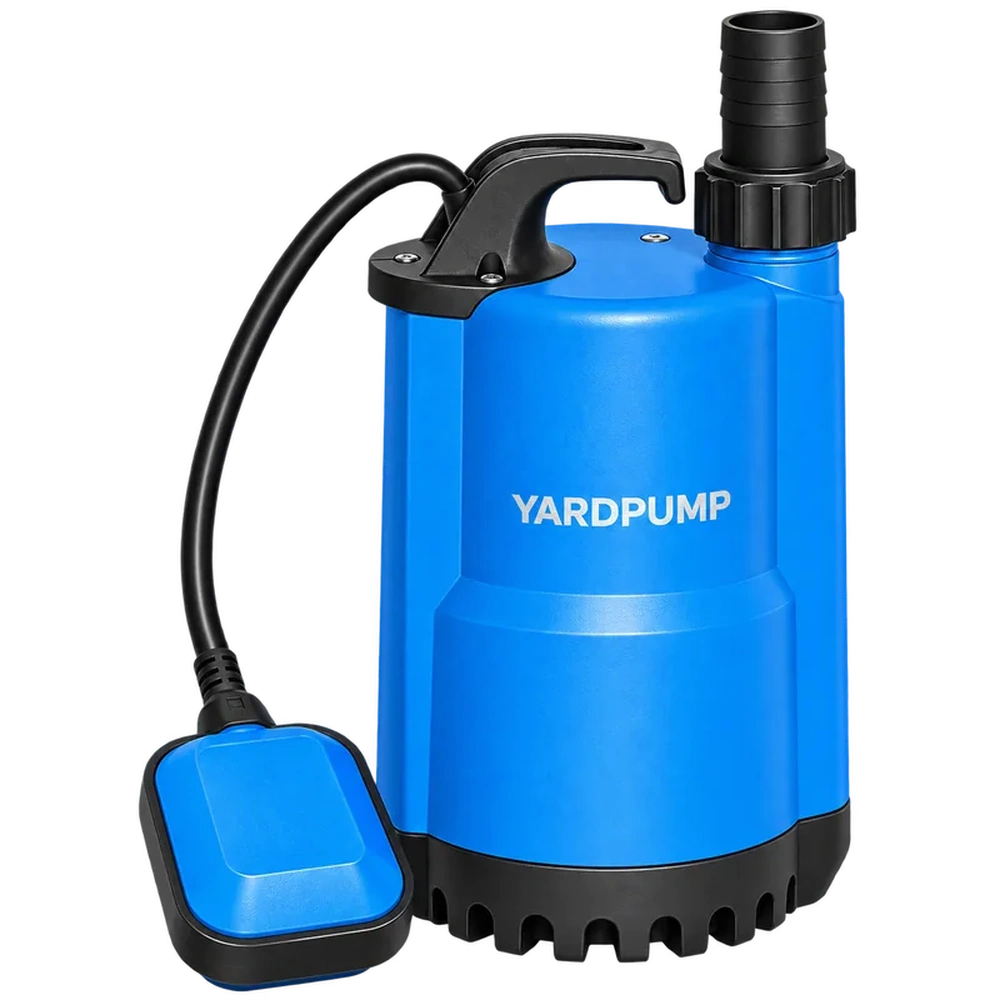
A sourcing team can buy a rope with a catalogue strength and still receive a kit that is unsuitable for lifting a wet pump. Specify the complete route for the load, from the pump’s approved lifting point to the person or equipment retrieving it. The fitted ends, hardware, wet conditions and instructions all contribute to acceptance.
Start with the pump and the way it will be retrieved
Some small pumps have a handle intended for lifting. Others specify a separate point or a particular chain or lifting arrangement. Obtain the instructions for the exact model and identify that point on the drawing. Include the wet pump and any permitted attached parts in the assessment. Account for the lift geometry and environment through the approved method. The electrical lead and discharge hose should stay free of retrieval load.
For example, a catalogue rope rating without its knot, wet condition and safety basis cannot release a pump kit. This is a specification example, not a required capacity.
Write the specification for the finished assembly
Define the complete assembly and use orientation, then inspect material identity, usable length, terminations, attachment fit, markings and packout. Perform the approved load and wet-conditioning checks without using the power cable as a backup support.
Control the rope material and usable length after end fittings are installed. Identify the terminations, keeper or connector and any features that stop an approved fitting from slipping out of the lifting point. Ask the supplier to state the permitted load for the finished assembly in its intended setup. A length of rope on a spool has different evidence from a wet assembly with production terminations.
Check fit to the actual handle or eye using the specified attachment. Consider chafe at the rim and what happens to the free end after the pump is set down. A loop left close to a tethered float can change emergency operation. The instructions should show where surplus rope can be secured without taking load or fouling controls.
Make the kit easy to identify at inspection and in service
Approve one traceable lifting kit per applicable pump family, include attachment instructions and spare-part identity, and reject substitutions until equivalence is validated.
Inspect markings, actual length and each load-bearing component. Use the engineering-approved verification, including wet conditioning or documented load checks where required, and conduct it in a controlled setting. Cross-check kit revision, pump family, labels and instruction sheet from the same finished carton. Keep a replacement code so a service centre can get the same compatible assembly instead of making up a substitute on site.
A lifting rope is for retrieval as defined by the product instructions. It does not authorize suspending or operating every pump above the pit bottom.
Service stock needs the same identification as production stock. If a wet line shows wear at a curb or has lost an end marker, the service centre should be able to identify and replace the kit through the pump model and revision. Include inspection of terminations, frayed areas, deformed hardware and the lifting point in the service instructions. Use the documented retirement criteria for the actual material and assembly.
Frequently asked questions
Is it enough to ask for the breaking strength of the rope?
Request the allowed load and test basis for the completed assembly with its ends, hardware and actual service conditions. Have the selection assessed by a competent person.
Can the rope be left loose next to the pump?
Secure the free end as the installation instructions allow. Keep it away from the inlet, the float and any moving assembly.
Can a cable be used for a short lift during packing or service?
Use the approved lifting point and method every time, including brief lifts. Support the power cable independently.