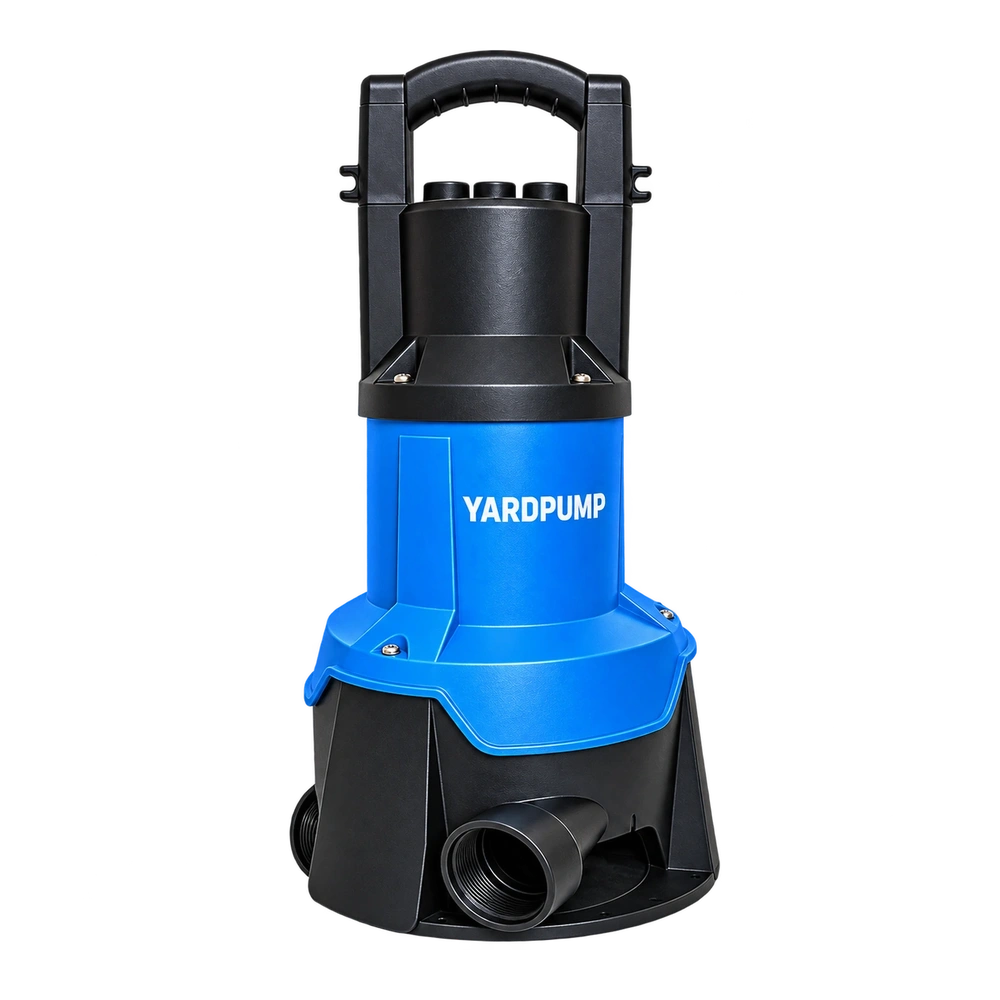
A batch of clean-water submersible pumps has passed the factory wet test. The outside of each pump feels dry, and the shipment will travel through cold conditions. Verify whether water that could freeze remains in the wet end or the supplied accessories, and whether packing could trap it again. A dry exterior, a passed performance test and a drained passage are three different observations. A separate release check after wet testing makes the packing condition traceable.
Identify where test water can remain
Look at the actual intake, wet end, outlet elbow and any installed or boxed check valve. In some designs, water drains in one orientation but remains at a low point when the pump is turned to its shipping position. A closed valve or a fitted cap can retain it. The packing instruction should specify the drain position, which removable outlet parts may come off, when they go back on, and how they are packed. The task is to remove the test water, not all liquids in the pump. Factory fills in a motor, bearing or seal chamber are not the test water. Do not open a sealed motor to drain the wet end.
Use the actual revision and supplied fittings to verify the process. A bare pump and a kit with an elbow or check valve can retain water in different places. When an order includes multiple accessory kits or configurations, avoid carrying over an unverified drain time. Have the plant identify the low points and explain how the approved instructions apply to each of those combinations.
Make drainage a step that can be checked again
For a buying inspection, record the serial number, end of the wet test, drainage method and timing, any accessory removed, the inspection position and when protective parts were refitted. Check whether a cap or closed check valve can trap test water after drainage. An approved staged inspection can establish whether water continues to drain at the prescribed orientation. Where needed, a repeatable weighing comparison on the same serial unit can support a check. Use methods and limits agreed by engineering and safety staff. Do not apply improvised compressed air, heat the body or run the pump dry to speed up this step.
As an example, suppose a complete pump weighs 3218 g before the test and 3230 g after approved drainage with the same cord and fittings. The scale repeats within about 2 g. A difference of about 12 g calls for investigation, but it neither locates water nor sets the amount retained by every unit. Surface moisture, a shifted fixture, supported cable weight or changes in components can contribute. Use the same scale, parts and support arrangement, with a physical check of accessible low points. These are illustrative numbers, not general acceptance criteria.
Keep packing, transit and receipt evidence separate
Once drainage is verified, refit protection and pack to the approved configuration. If a hose was wet-tested with the kit, check its low spots and valves as well; it could drain into the pump outlet in the box. For a route exposed to freezing, confirm acceptable transport and storage conditions, transit controls and the affected cartons or lot. Ordinary foam and cartons are not automatically an insulation guarantee.
On arrival, hold suspect goods if there is ice, water staining, a cracked fitting or distortion. Do not energize them before inspection. Keep carton IDs, batch traceability, the wet test and drainage records, transport conditions and photos. They can help separate retained test water, packaging moisture and transit damage. A pump can pass the factory test and still be damaged later. Use the supplier's agreed unpacking, inspection and retest process for release.
Frequently asked questions
Can I follow the existing packing instruction once the surface dries?
Only when it has been verified for the actual pump and accessory water traps, and meets the approved process. A bare pump can differ from a kit that contains a valve.
Is water staining on arrival proof that drainage was missed?
No. Compare its location, other units in the lot, and conditions in transit. It prompts investigation but does not determine responsibility on its own.
Can one weight allowance cover every model?
No general value fits. The checks involve configuration, repeatability, baseline weight and actual water passages. Use validated model-specific conditions and comparable serial units.