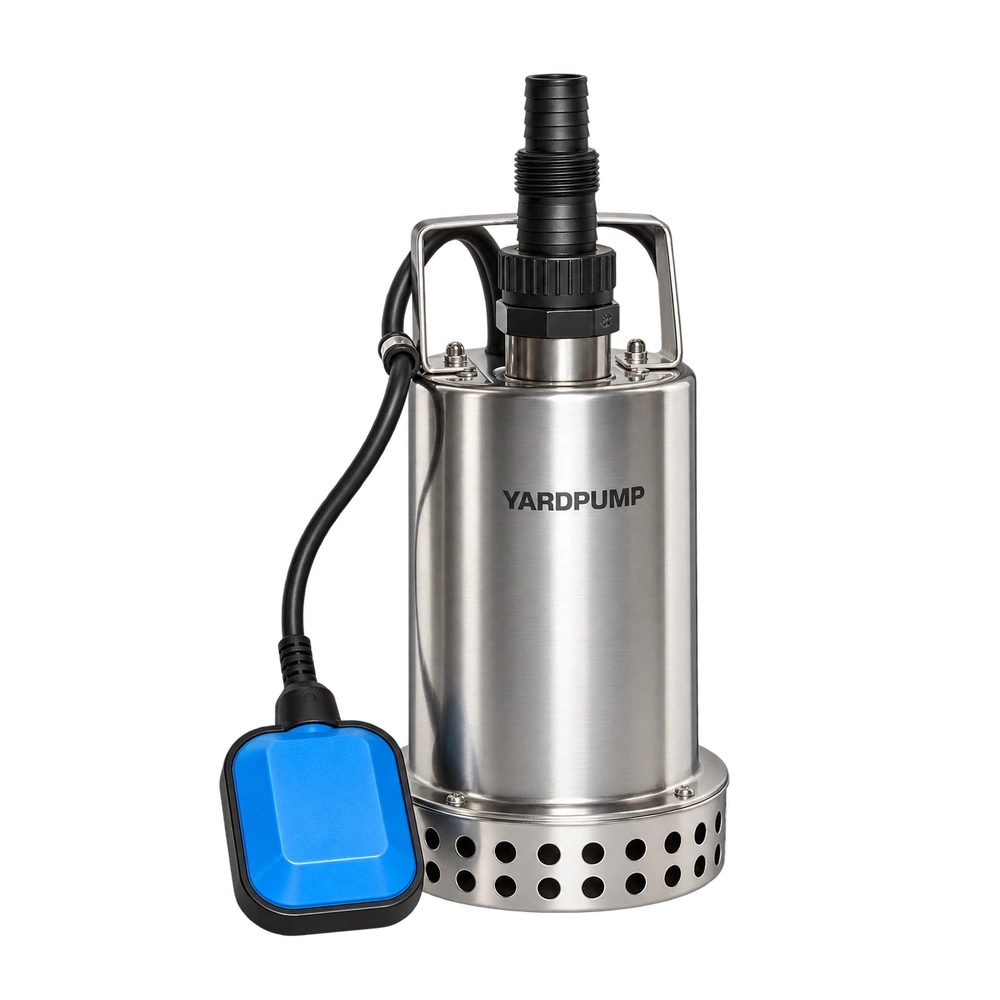
Suppose a dirty-water pump fits beside a wall but its discharge hose must leave to the right. The elbow reaches its normal installation position pointing toward the wall. The purchase specification names only the thread size. Should an installer turn it another half revolution? Identify whether it is a fixed threaded fitting, an installation-adjustable elbow with separate locking and sealing, or an assembly intended to swivel in service. Approve the route and joint at the required orientation. Do not rely on an unspecified extra turn.
Find the joint that establishes the seal
Some fixed connections rely on the correct engagement and tightening of the selected thread and seal system. They cannot necessarily be tightened further or backed off to achieve an angle. In other designs a separate face or O-ring establishes the seal, and a locknut or retainer sets the orientation. The correct sequence comes from the manufacturer. A product sold as adjustable may be adjusted only during unpressurized fitting. A component designed for motion in service will have its own limits. If those are not stated, do not interpret an adjustable label as permission to move it while water is flowing.
Ask for the drawing and include the required direction, support and clearance in the request. Specify the direction relative to a fixed part of the actual installed pump. A photograph that can be viewed from either side can make left and right ambiguous. An elbow that projects farther than the sample may conflict with the lift handle, basin cover or path of the float even when it points in the right direction. Review both the connection and the installed envelope.
Include the hose in the physical check
With the assembly isolated and free of pressure, inspect the identified sample: sealing pieces, lock position, required outlet orientation and room for the hose. Use the approved method to assemble it. Do not add extra thread tape, force with a larger wrench or improvise a gasket to obtain the desired angle. The installer should support the hose on its route so that the elbow does not carry its full weight or a permanent twisting load.
As an illustration, sample A can be locked in the required right-facing position using its approved adjustment. The hose remains in a natural supported position. Sample B has the same nominal thread but its normal installation position is against the wall, with no stated adjustment. The sensible decision for B is to change the approved fitting or route, not to exceed the permitted tightening to make the picture match. Ask qualified staff to check representative assembled kits under the agreed wet conditions. Record the pressure conditions, the joint condition and whether starting or stopping changes the elbow position. If repeat removal is part of service, use the agreed reassembly and seal replacement procedure when checking repeatability.
Make the purchase requirement usable at installation
Record the versions of the outlet and elbow, the seals and retainers, the intended direction and the condition in which adjustment is permitted. Identify who provides the hose supports and what the inlet and float clearances need to be after installation. If a new supplier drawing uses the word swivel, check whether it means installation positioning or motion during operation. A correctly oriented connection should not leak or move during approved use. Isolate energy and relieve trapped pressure as directed before an adjustment, and keep leaking or loose assemblies out of service until assessed. This method checks a documented arrangement, not a claim that any specific pump includes a swivel accessory.
Frequently asked questions
Can I back off a fixed fitting slightly after it has sealed?
Only if the actual fitting instructions permit that procedure and the joint is verified. Backing off is not a universal way to align an elbow.
Does an adjustable elbow mean I can turn it while pumping?
No. Check the stated adjustment conditions and limits.
Is a leak-free joint enough if the hose pulls on it?
Support the hose as required and recheck retention and orientation along with the seal. A short test alone does not cover a persistent side load.