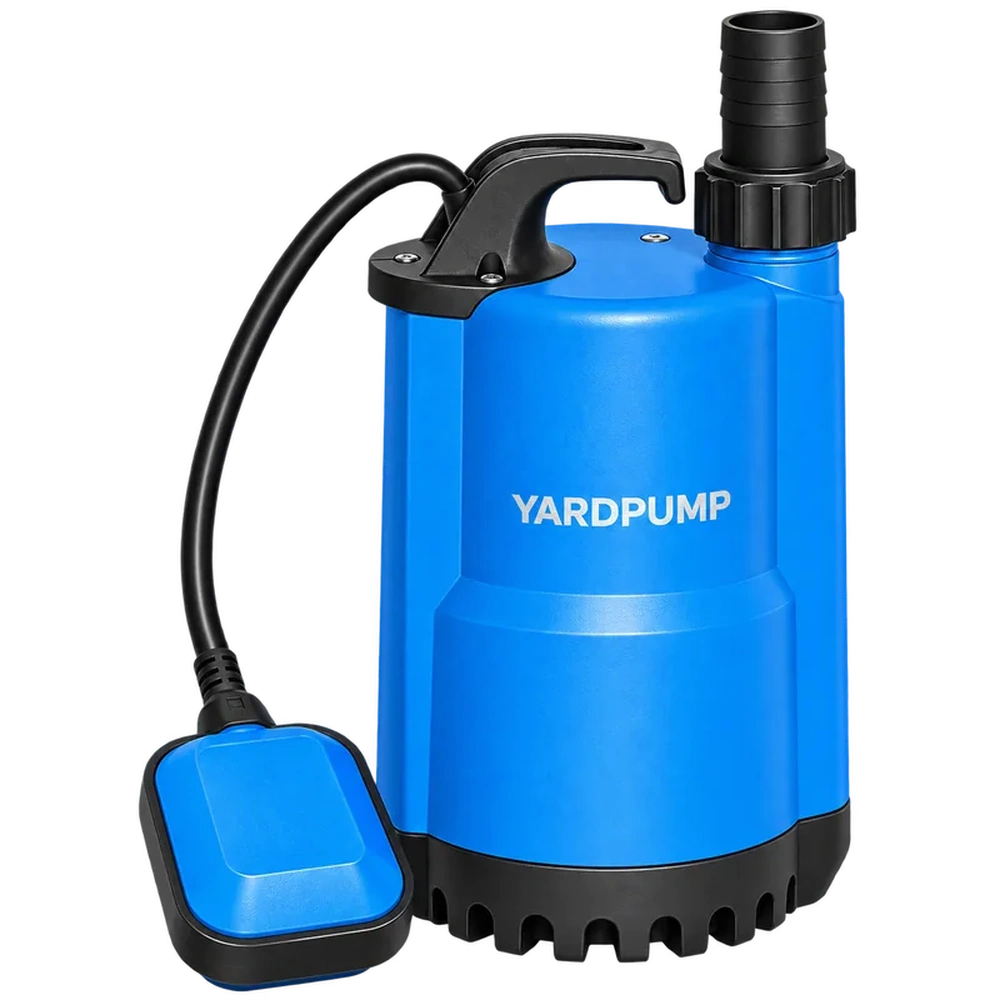
Water in a trench may look merely cloudy, yet the pump blocks or wears rapidly once flow begins. The problem is rarely a single particle exceeding a stated passage. Fine soil, sharp sand and clay can enter continuously. Reliable light dewatering begins by controlling inflow and creating settlement and collection areas so the pump handles comparatively clarified water.
What drives the result
Hard sand erodes hydraulic surfaces, clay can form a concentrated slurry, and fibres or packaging fragments wrap around an inlet. A clean-water curve does not describe slurry performance; increasing solids concentration and viscosity changes the hydraulic load. A pump placed in the softest point can scour a crater around its inlet and continually expose fresh soil. A basket, stable granular bed or settling zone can reduce solids near the inlet, but the arrangement must not undermine the excavation or spread contaminated water.
An illustrative way to check
As a method example, create a collection point lower than the work area and allow inflow to pass through a coarse settlement zone before it reaches a rigid pump basket. If the discharge changes rapidly from clear to opaque, reduce agitation, increase settling time or use equipment designed for slurry rather than continuing to abrade a clean-water pump.
An RFQ should not ask only for a construction trench dewatering pump. It should state the liquid, highest and lowest water levels, vertical lift, hose bore and length, target emptying time, solids or fibres, electrical supply, and whether operation is supervised or automatic. The supplier can then identify a duty point instead of combining maximum flow, maximum head and rated power as though they occur together. Validate the first sample through a complete start-run-stop cycle in the intended piping. A brief no-load sound check does not represent the service.
Actions for the site or purchasing team
- Describe soil, particle hardness, solids concentration and fibrous debris instead of relying on maximum-particle size alone.
- Where excavation stability permits, create a cleanable collection point and raise the pump above loose sediment.
- Verify approved media, solids passage, operating duration and minimum level. Use a clean-water pump only after adequate settling.
- Restrain the hose and discharge where it cannot erode the trench or enter an unauthorised storm-water system.
- Each shift, inspect the inlet, flow, unusual noise, housing wear and cable damage, and record changes in water quality.
Limits and application boundary
A trench can present collapse and restricted-access hazards, and dewatering can change soil stability. Qualified site personnel must own the excavation and discharge plan. This article does not replace construction safety design.
Frequently asked questions
Does a five-millimetre solids rating mean the pump can handle slurry? No. Concentration, hardness, viscosity and fibres also determine load and wear.
Will raising the pump leave more water? Possibly, but it reduces continuous sediment pickup; final clean-up should be handled separately.
May pumping continue when discharge turns opaque? First reassess settling failure and wear risk rather than assuming continuous operation is acceptable.
Related reading
Rated to Pass Particles but Still Blocking? Sand, Fibres and Sludge Behave Differently
Crawlspace Dewatering: Choosing a Pump for Mud, Restricted Access and Electrical Safety