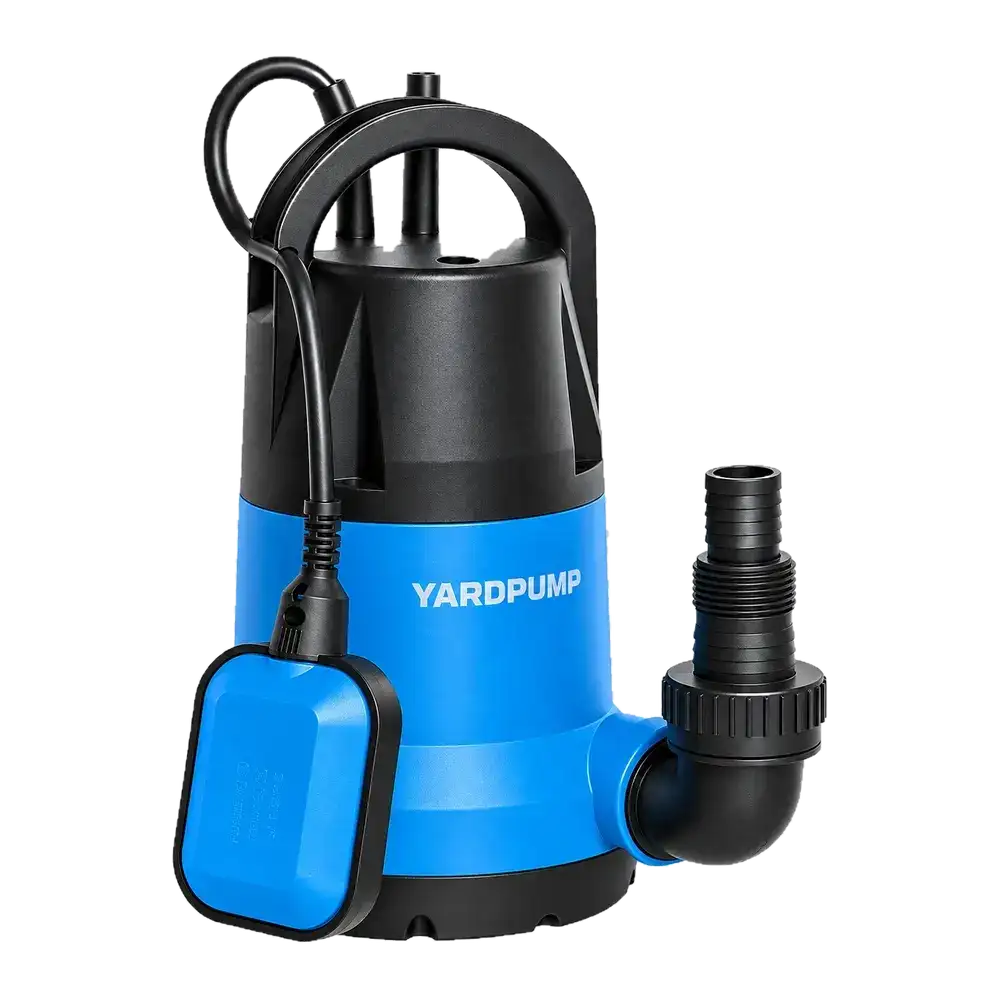
Suppose a portable submersible pump is clearing pooled water in a yard. Delivery is initially strong, then dwindles. After shutdown the screen looks almost clean. Move the pump and it works again, for a while. Consider whether something was pressed over the inlet during pumping and fell away when flow stopped. Soft leaves, grass and thin scraps can cover a large area while water pushes them against the screen. Finding a clear screen later does not rule out this obstruction.
Thin debris can cover much more than its thickness suggests
A leaf can lie flat across several openings. As flow brings more scraps to the intake, they can overlap and cover the area that remained open. The available flow path becomes smaller. Unlike a hard object lodged in the impeller, this kind of obstruction may leave no permanent blockage and make little additional noise. Once the pressure difference disappears or the equipment is moved, the leaves may spread. A stated passage for individual solids does not describe how the pump will behave under a mat of soft debris.
There are competing explanations. A free-surface vortex at low water, a flattened hose, material in a check valve or thermal protection can also be described as weak flow. Compare the water level and pump state at the time. If the pump appears to keep running, debris has collected on one face and the discharge route has not changed, check the external intake first. If the motor has stopped with a protection trip or there is persistent scraping, take it out of use and have it checked. Do not keep restarting to see the screen.
Record the sequence without touching the operating setup
Observe the intake area and the outlet from a safe dry position if possible. Record when delivery begins, when it weakens and what the debris does after shutdown. If the water is too cloudy to see the intake, do not reach into it or lift the running pump. Stop and isolate power, then retrieve the equipment using its approved means when safe. Check the outside of the screen, the support and the nearby floor for soft debris. Relieve retained pressure before taking hose connections apart. Clean only areas allowed by the instructions, do not operate without the screen and do not pump an unidentified liquid.
In one illustrative comparison, the same starting level and hose route are used twice. On the first run delivery fades as leaves gather around the base, then the leaves release at shutdown. After isolation, accessible debris is removed safely. The second run remains steady at a comparable level. That supports a temporary intake obstruction. If flow still falls after cleanup, compare level, line condition and delivery again. A service inspection may be needed to determine whether the pump itself has a problem under those conditions.
Keep broad debris from reaching the inlet
Clear accessible leaves before pumping where that can be done safely. A serviceable outer catch screen may help if the site owner selects one suitable for the flow. Allow for open area and cleaning access. Avoid pressing an extra screen against the pump inlet, obstructing the float, damaging the cord or changing its support and cooling conditions. Fine sand, long fibres and sludge can need different arrangements. Choose a pump or setting that suits the actual liquid and then check delivery through the permitted water range. Look for fresh leaves arriving with inflow; clearing the base once may offer only temporary relief if the source remains.
Frequently asked questions
Why does flow drop again if the screen looked clean?
Water can hold debris against the screen only while the pump draws. Look for the sequence during and after the run, and compare with a test after safe cleaning.
Can I remove the screen to let the leaves through?
Do not run without a required screen. Clean it as instructed and choose a suitable way to intercept debris or equipment intended for the job.
Would a larger pump be a better solution?
Locate the obstruction first. Higher flow can bring more leaves to the intake. Check the required capacity once the intake path stays clear.