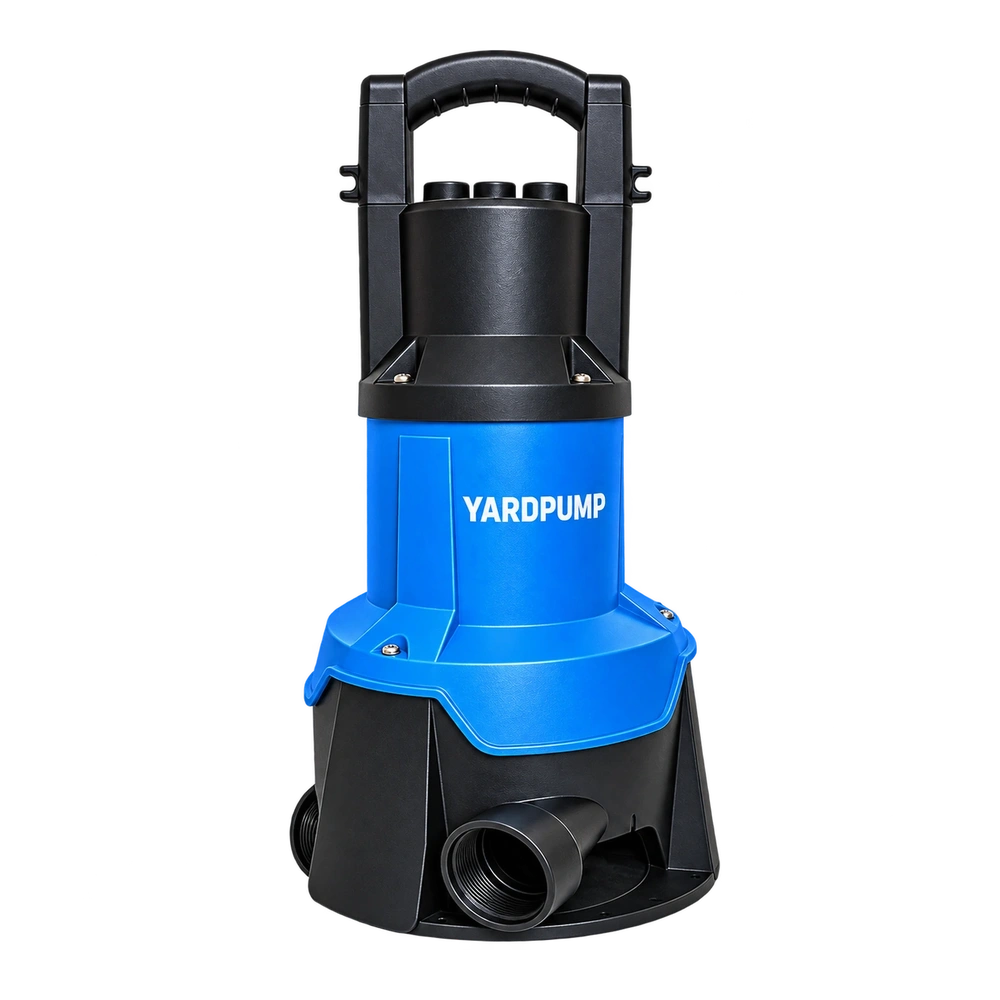
A garden hose delivers a good stream until a quick connector with an automatic shutoff is fitted. A valve inside the connector must open when the mating plug is inserted. A connection can feel locked and still leave the valve partly closed. Compare the exact pair of fittings before changing the pump.
See what the mating half does to the valve
An auto-stop poppet must be pushed fully open by the mating plug. Partial engagement leaves a small annular passage, while the spring and internal ribs create additional pressure loss that grows with flow.
The plug normally opens a spring-loaded valve as it locks in place. Plug length, shoulder position and the washer can determine how far it opens. Two visually similar parts may latch at the same outside position with different travel at the valve. Inspect the pairs when isolated and depressurized and compare them with the fitting manufacturer’s approved combinations.
If the valve opens fully, water still has to travel past the valve support and through the available clearance. Loss in that passage matters more at higher flow. A connector can be perfectly serviceable for a small watering accessory and restrict a fast transfer through the same hose.
Compare two fittings without changing the hose
Compare timed delivery through the same hose with an approved full-bore connector and the auto-stop set, holding water level and outlet height constant. Inspect engagement, washer position and minimum bore without removing a required safety function.
For example, if the connector test delivers 11 L/min and the controlled full-bore route gives 16 L/min, the fitting deserves investigation. The values are not model performance.
Hold source water level, hose length and final outlet height fixed, and use the same collection volume. Run the approved comparison at stable delivery and record the time. If restriction occurs only with the auto-stop pair, check whether the plug seats as specified and whether the correct washer is fitted. If both arrangements deliver poorly, look for a small hose bore, a kink or too much lift.
Release the complete pair and its use
Use a connector whose engaged waterway supports the required duty, and keep the tested mating halves, washer and adapter together in the approved configuration.
For a pump and garden hose kit, specify which half goes with the particular accessory and whether the actual watering or transfer duty is met. Fit the pair as supplied, then verify delivery and leakage. Where the automatic shutoff is needed, use a compatible connector with the right flow capacity. Treat the tested connector part numbers and sealing components as part of the agreed kit.
A useful kit check has two steps. First test the halves supplied together, since dimensional drift in either half changes how far the valve opens. Then check the complete kit at the customer’s target duty. A visual mould or colour match helps sort parts on a bench. Use the assembled fit to confirm compatibility. Record which side contains the valve so the service centre can supply the right mating part.
Frequently asked questions
How can a connector click shut and still restrict flow?
The latch can engage while a mismatched plug or washer limits the valve’s travel. Check the approved pairing and the assembled passage.
Does the end-of-hose connector matter if the hose itself is wide?
It can be the smallest restriction. Hold the hose fixed and compare the connector at the actual height and flow.
Can testing the line with an open fitting prove the fitment is faulty?
It shows how much the fitting arrangement changes delivery. Inspect the valve opening and paired parts to determine whether the change is normal for that fitting or an incompatibility.