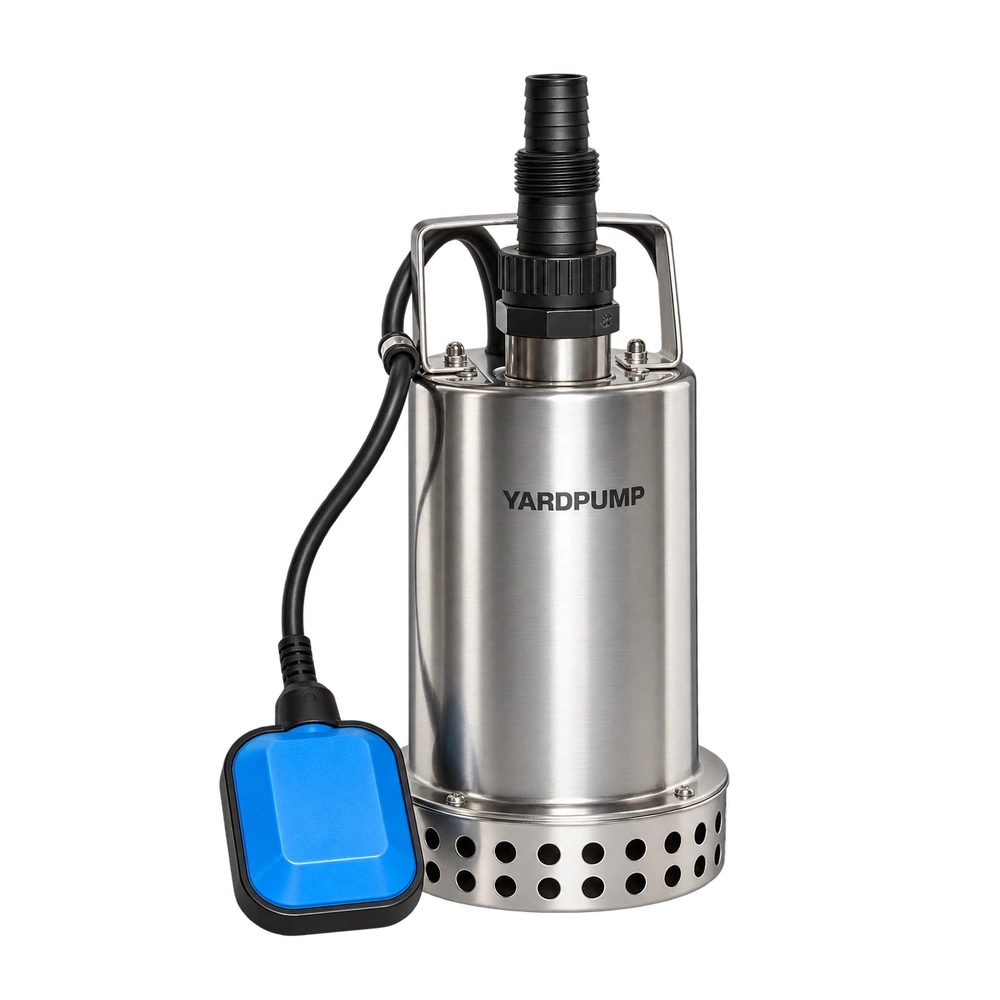
The field or purchasing question is: Portable Shower Tank Pump: What Duty and Temperature Limits Matter for a Ten-Minute Shower? The early answer is to avoid releasing a decision from one rating, photograph or verbal assurance. Identify the object, revision, installed duty and release decision, then use a reproducible check. Warm water, falling level and hose restriction can reduce cooling while changing load; rated flow is not permission for continuous duty.
Mechanism and decision boundary
Warm water, falling level and hose restriction can reduce cooling while changing load; rated flow is not permission for continuous duty.
This article controls portable shower pump duty cycle. 既有相邻文章为“排水潜水泵能全天用于喷泉循环吗?先分清运行工况”;本文独立回答“便携淋浴水箱用小泵,连续洗十分钟要看哪些温升和占空条件?”,决定对象和验收证据不同。 An industry mechanism is not a rating for every YARDPUMP model. Dimensions, materials, limits and approvals must come from the applicable controlled data.
A clearly labelled example
At 5 L/min, ten minutes uses 50 L; a 60 L tank must still subtract water below the intake and comply with liquid-temperature and run-time limits.
Every number above is illustrative, not a customer case, complaint rate or YARDPUMP test result. Retain original units, measurement location and conversion steps. Recalculate when level, hose, revision, temperature or observation window changes; results from different boundaries are not directly comparable.
Field investigation or purchasing acceptance
First isolate equipment and the affected lot. Record model, revision, serial or batch identity, liquid, environment and symptom timeline. For portable shower pump duty cycle, select measurements that answer the decision directly instead of treating acceptable appearance as functional evidence. Electrical work requires isolation and a qualified person; never handle energized equipment with wet hands, bypass protection or dismantle a live pump.
Work from external and nondestructive checks toward controlled dismantling. For every step, state what was observed, what it rules out and what remains unproven. A comparison should change one variable while holding water level, supply, temperature, instrument and observation window constant. If the symptom does not recur, write “not reproduced under these conditions” rather than “no problem exists.”
Records, criteria and release
Keep owner, sample identity, order or site, instrument and range, raw data, image references, calculations, conclusion and open actions. Set criteria before testing. At a boundary, consider resolution, repeatability and sample variation rather than rounding a result into a pass.
Convert the finding into an action: continue use, correct installation, revise the specification, expand sampling, rework and retest, or begin controlled after-sales analysis. Any change needs before-and-after revisions and a defined cut-in so purchasing, production, warehouse and service teams use the same record.
Challenge the proposed conclusion
Before release, run one deliberate challenge that should make a weak explanation fail. Repeat the check at a second operating point, swap a known-good component, reverse the inspection order, or have another qualified person reconstruct the calculation from raw data. Choose the challenge from the suspected mechanism, not from convenience. If both explanations still fit, keep both open and collect the measurement that separates them. This prevents a temporary recovery, handling effect or transcription error from becoming the official root cause. Record negative evidence as carefully as confirming evidence. A sound closure states the supported cause, the alternatives actually tested, the remaining uncertainty and the condition that would reopen the case. Purchasing acceptance should also state whether the result applies to one sample, one production lot, a defined revision or the whole approved configuration.
Limits and safety
The method covers ordinary small submersible and garden-pump decisions. Corrosive or flammable liquid, potable water, live aquatic animals, dangerous-goods transport, structural safety and regulated discharge need separate material, legal and responsible-party review. If liquid, wiring or construction is uncertain, stop and obtain manufacturer or qualified guidance.
Frequently asked questions
Is one reading enough for portable shower pump duty cycle?
No. Record duty, location, instrument and time window, then compare the result with a criterion set before testing.
Can the example value become a purchase specification?
No. It illustrates the method. Specification values come from approved drawings, actual duty or a validation plan.
Can the case close if the symptom is not reproduced?
Record that it was not reproduced under the stated conditions, preserve evidence and unresolved causes, and follow the agreed closure process.