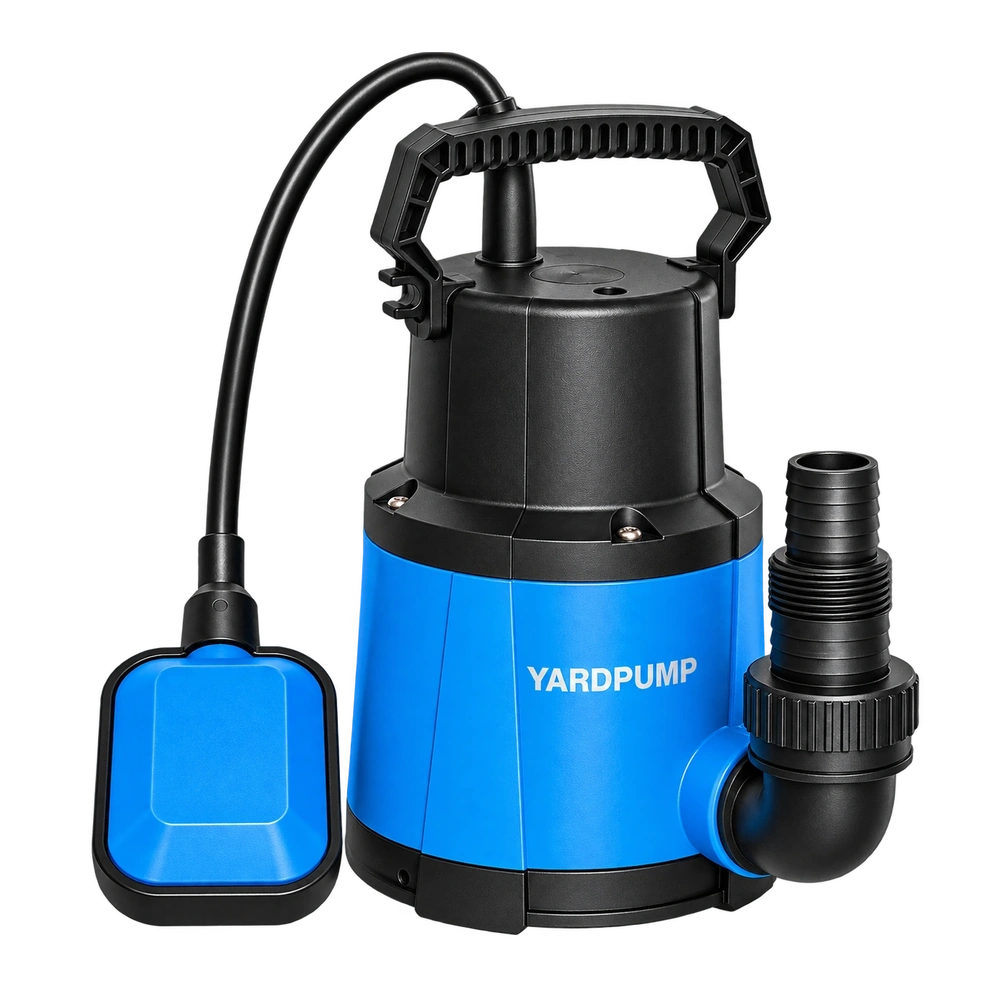
Suppose a clear-water submersible pump supplies a soaker hose laid along a garden bed. The hose wets the ground near the inlet quickly, but the far end still feels dry. Compare what comes out of the hose near and far from the inlet before buying a stronger pump. Pressure can fall along the line. Uphill routing, kinks, filter resistance and blocked pores can change where water emerges. Soil, mulch and drainage can also make one area look drier without establishing a change in flow. Observing the hose itself gives better evidence than judging the colour of the soil.
A soaker hose uses water all along its length
A soaker hose releases water through its wall or small openings. It does not act like a hose delivering all its water at one outlet. Flow is greater near the inlet and decreases along the line as water comes out. Good pressure at the inlet still does not establish suitable pressure at the far end. Elevation changes and tight bends affect that distribution. A split or badly leaking fitting near the inlet may also divert water before it reaches the far section. First confirm whether the hose is intended for pump service, its allowable pressure and length and how its end is meant to be fitted. Do not borrow a pressure figure from a different hose.
Water leaving the pump may pass through a supply hose, filter and regulating equipment before it reaches the soaker hose. Falling water in the barrel can change pump duty. A filter that loads with debris can also reduce inlet pressure. If the soil near the start is wet but a pump-side gauge shows high pressure, check where that gauge is: upstream of the filter, downstream or at the soaker hose inlet. A gauge in the wrong place can make a restricted filter look like an undersized pump.
Compare two locations and record what changes
Let the hose fill under the allowed operating conditions. Operate the equipment from a dry, safe position according to its instructions. Compare water collected from equal-length near and far sections over the same interval using a comparable method. Record barrel level, elapsed time after startup and any visibly pinched sections. If the hose is under mulch, choose accessible test sections after stopping, isolating and relieving pressure. Moisture marks in different soil or mulch do not give directly comparable flow readings. Stop if pressure exceeds the equipment limits, the hose swells abnormally or there is moisture at an electrical connection. Have qualified personnel investigate.
In an illustrative comparison, equal lengths yield about 600 millilitres near the inlet and 150 millilitres near the far end over the same test interval. If laying the hose flat and removing one sharp bend under permitted conditions brings the far-end reading up while the inlet pressure and near reading are similar, correct the route first. If the difference persists, compare a sound, equivalent section at the same supply conditions and barrel level, or follow the manufacturer's instructions to check the filter and hose condition. The example values show how to compare. They do not define a pass ratio or give a rated flow for the full hose.
Choose the correction the test supports
If inlet pressure is outside the hose's required range, check the filter and supply losses before comparing the pump curve at the target flow. If the gap between near and far changes with length or elevation, consider suitable shorter zones or designed flow distribution. If it stays at a particular section, check for a kink, damaged wall, ageing or obstructed pores. Confirm that the pump can work with the actual hose, valves and controls. Do not close off delivery or remove a filter to force a higher reading, and do not assume every portable drainage pump is rated to supply continuous low flow.
For a supplier quote, specify the hose type, length, elevation difference, zoning arrangement, measured inlet pressure and water cleanliness. This gives the buyer enough information to compare a small clean-water pump's duty and control limits and decide whether the hose arrangement or the pump should change.
Frequently asked questions
Does good output at the start mean the pump has enough pressure?
It only shows that water reaches the near section. Verify the hose inlet and far-end output against the exact hose's allowed conditions.
Can I raise pressure until the dry end starts working?
Do not exceed the limits of the hose, fittings or pump. Check kinks, local leaks, blockage and elevation first.
Should I leave the end open when the far section is dry?
Use the end fitting or flushing procedure specified for the hose. Opening the end changes the pressure distribution and is not a test of normal operation.