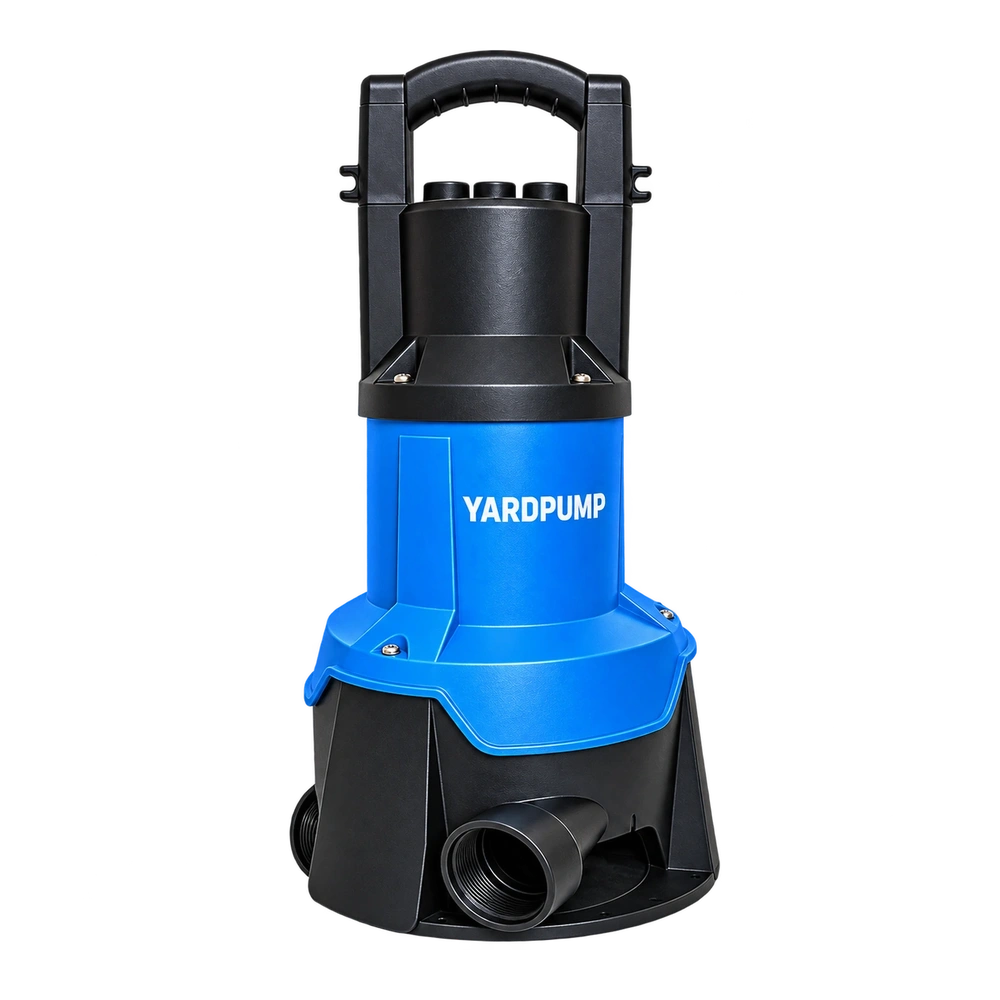
Imagine a rain tank has stood overnight. A jar taken near the top looks clear, but a ring of mud settles on its bottom. Can you put a low-level clean-water pump on the tank floor and start drawing? First check which layer will actually reach the intake during use. A clear-looking sample says something about the appearance of that particular water at that time. It does not establish the absence of fine particles or fibres, the condition of the tank floor, or suitability for drinking. Pump selection depends on the liquid entering the pump and the manufacturer's limits.
Take a sample that represents the pickup
From safe approved sampling points, compare water at the intended intake level while the tank is quiet, at that same location during normal refill or drawdown, and near the bottom if a sample can be taken without entering the tank or reaching near electrical equipment. Distinguish an undisturbed sample from one deliberately taken in settled material. Use similar clear containers. Mark the water level, location, last refill and any disturbance during collection. A clear jar from the easiest point to reach and a muddy one scraped from the bottom do not represent the same condition.
View the jars in the same light. Note any leaf fragments, fibres or visible grains at first. Then see whether a layer forms, whether material floats and whether the upper liquid stays cloudy. Some particles settle; smaller suspended material may remain. This observation cannot reliably establish particle size, hardness, abrasion or contamination elsewhere in the tank. Do not treat a jar observation as a laboratory solids, turbidity or hygiene test.
Use the difference to decide what to change
Suppose two samples from the proposed pickup show no obvious deposit after settling in a quiet tank. A bottom sample quickly forms a band of grit. During normal refill, a sample at the proposed pickup also contains visible particles. This illustrative comparison suggests two separate checks: keeping the intake away from deposits and stopping incoming water from carrying deposits back into the pickup zone. Raising the pump once and timing its delivery after the water settles will not show whether it is suitable during refill.
Where the approved installation allows it, change the pickup position, separate the inlet disturbance or have settled material removed under the tank maintenance procedure. Repeat the samples and observe delivery. If the task is to remove bottom water, repeatedly stirred liquid or liquid with fibres, verify permitted solids, the medium, filtration and installed flow. A suitable clean-and-dirty-water pump or a separate cleanup step may be needed. A fine cover around a pump is not a universal solution: exposed area and cleaning frequency can materially change delivery.
Accept the normal worst condition, within the equipment limits
For regular use, note when water quality or level calls for pausing the draw, when the tank or approved screen needs cleaning, and what delivery looks like when the system is working. If sand appears only as the level falls close to the pickup, record that level. It is more useful when evaluating a stop setting than “looked clear after two hours.” Confirm that any revised level or support remains within the allowed installation. If the source may contain chemicals, unknown contamination or water intended for a use with hygiene requirements, do not use this method to approve it.
This check is useful because it puts the intake back into the decision. A pump never takes the average of the jars. It draws the water that reaches its openings at the actual level and at that moment.
Frequently asked questions
Can I estimate solids passage from a small visible deposit?
No. It helps locate sediment, but particle size, fibres and hardness need separate evidence.
Does visible settling mean I need a bigger pump?
No. First investigate intake position, refill disturbance and the actual liquid. More delivery does not change what the pump is permitted to handle.
Can I take the bottom sample directly every day?
Use only a safe, approved sampling point. Do not enter the tank or handle electrical equipment in a wet area to obtain a sample.