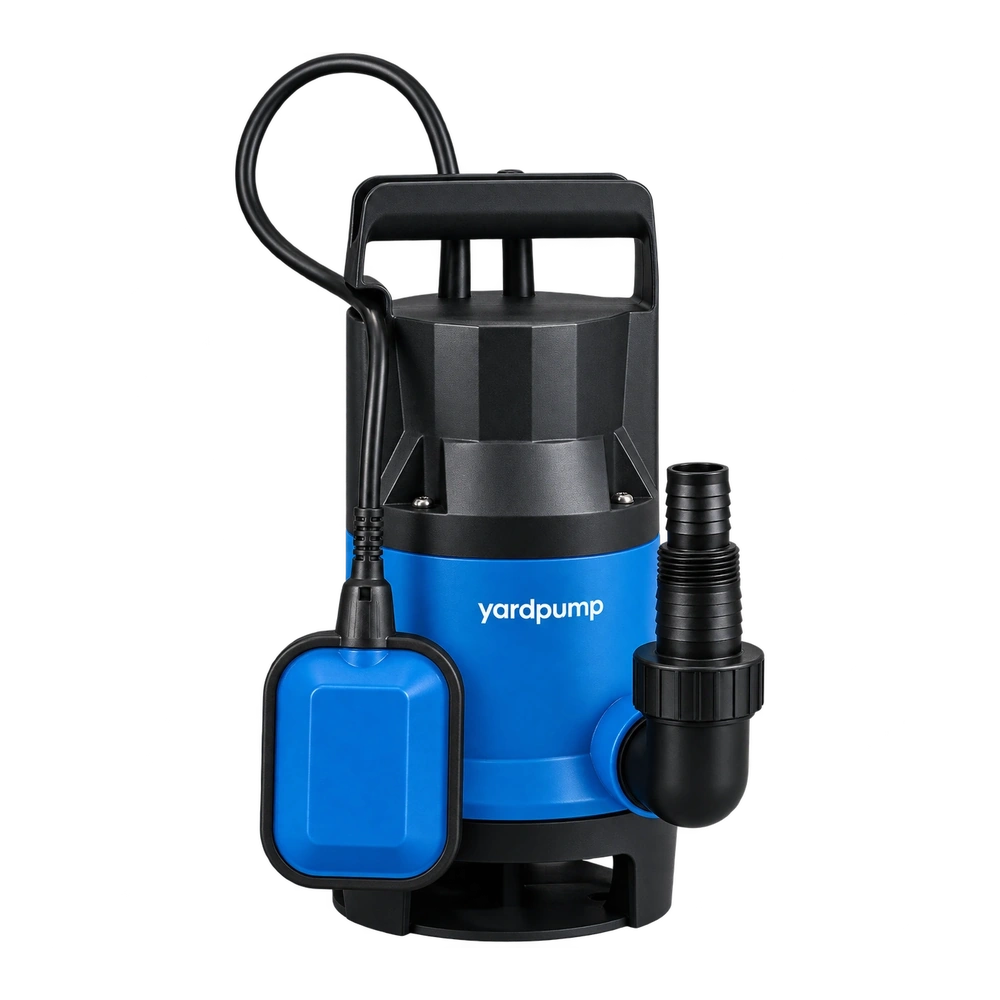
Suppose a garden pump draws from a shaded rainwater tank. After a morning without use, the hose produces hot water at first, then a much cooler stream. Treat the first discharge as water that has been heated inside the hose. A long hose can hold several litres after the pump stops. Sun can heat that water without warming the whole tank. Check the outlet before it is directed towards anyone, an animal or plants.
Distinguish retained water from continuously warm supply
Water can remain in dips, a reel or the line behind a closed nozzle. Sun heats the hose and nearby surfaces, and heat can transfer to the stored water. Starting the pump sends that water ahead of the cooler tank supply. Actual mixing can blur the transition. If the discharge remains warm during continued operation, compare the source temperature, route and any other heat input instead of blaming one short section. Confirm the permitted water temperature for the pump and hose; a hot reading does not establish that the equipment can be used that way.
For an illustration, a 30 m hose with an internal diameter of about 13 mm holds roughly 4 L when full. At 6 L/min, one hose volume takes about 40 seconds to pass. The hose may not be full and the actual bore, mixing, changes in flow, branches and nozzle affect the result. The example helps plan collection or observation. It does not say that running for 40 seconds makes a hose safe.
Check the outlet from a safe position
Arrange for the first discharge to go somewhere safe, clear of people, animals, electrical connections and any soil or plants that need protection. Control splash. Isolate power and deal with retained pressure before moving or reconnecting a line. Do not test the first water with a hand. Once it is safe to operate as intended, check collected water with a suitable temperature instrument and compare steady discharge with the source. Watch whether delivery remains normal. If you cannot measure safely or direct the hot water to a suitable place, wait for the hose to cool.
Flushing a main hose does not clear every branch. Identify which outlets can retain water and which parts lie in the sun. Deal with those outlets under the approved operating sequence. On systems with pressure controls, do not create a prolonged closed-discharge condition while trying to flush one branch.
Reduce heating and retained water before the next use
Where you can change the layout, keep long stretches out of direct sun and avoid leaving a coil on a hot surface. Drain the line after use where the setup permits, shorten it where that suits the route or move vulnerable sections into a shaded ventilated position. Confirm that a drained line can be restarted and controlled as intended. Check the bore, permitted bend and delivery as well; shading or draining is not a substitute for a suitable line.
Water retained in the hose can stay warm after the sun moves away. A tank reading at that time still does not establish the outlet temperature. Record the idle time, tank temperature, outlet temperature once stable and delivered flow. Compare under similar conditions after a change. That helps decide whether draining, shading, changing the route or changing the operating routine is useful. If the source itself stays warm, address the supply condition instead of repeatedly flushing the hose.
Frequently asked questions
If the water cools after flushing, does that prove the motor did not overheat?
No. It supports retained hot water as the reason for the initial discharge. Motor temperature needs separate evidence.
Does a short hose also need a check?
A short hose can heat up, though it usually holds less water. Keep its first discharge directed to a safe place until the temperature is known.
Why is there hot water after draining the hose?
Check dips, the reel, the nozzle and branch lines for retained water. If warm delivery continues, compare the source with other possible sources of heat.