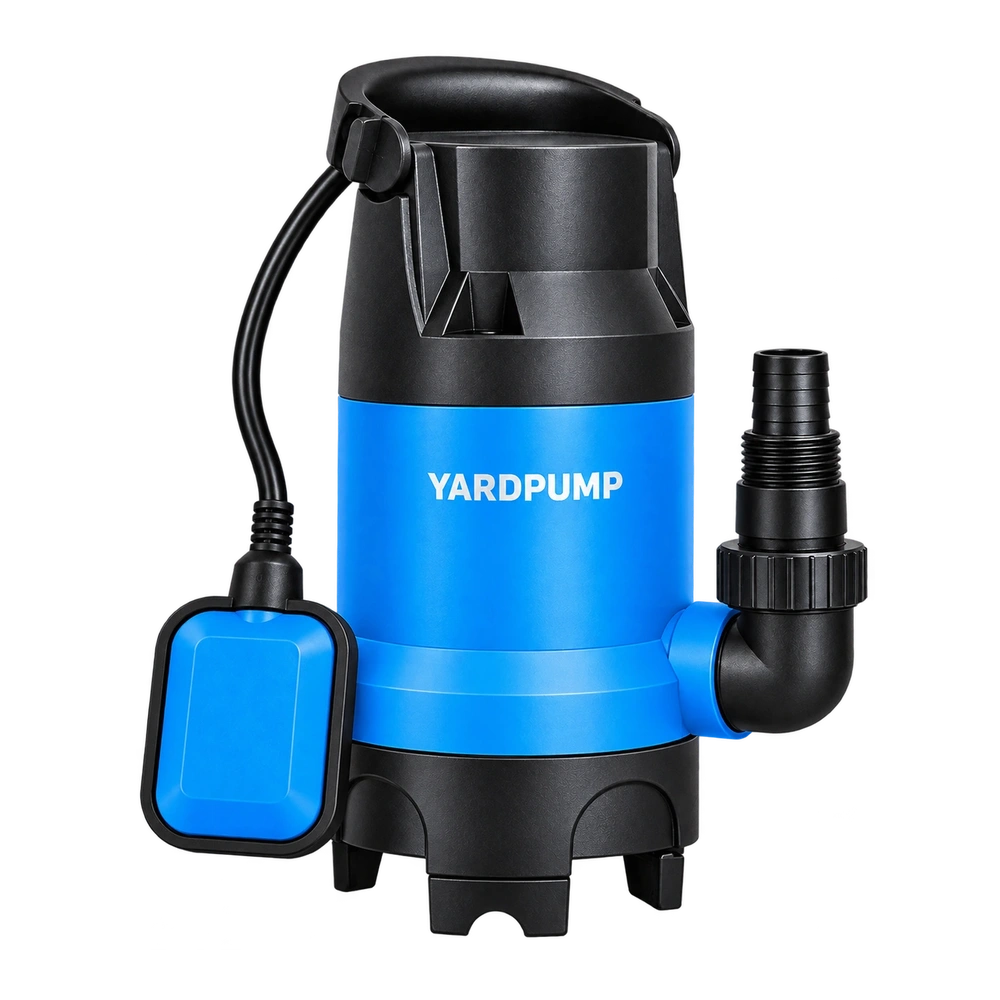
Imagine a rainwater tank looks clear at the surface. After a submersible pump has been off overnight, cloudy water comes out for the first few seconds, then clears. Should the intake be raised or the hose cleaned? Keep the first discharge separate from the later water. Particles can settle in water retained in a low section of hose and be carried out on restart. Starting flow can also disturb sediment around the inlet. A mixed bucket cannot distinguish those explanations.
Find where water stayed after shutdown
A low bend, check valve or uneven hose route can retain water. Settling particles can collect in those sections during a pause and re-enter the flow on startup. If the hose drained completely, old deposits are still possible, but a slug of retained water is less likely. At the source, a low intake can disturb a local patch of sediment while the surface looks clear. An outlet left submerged in unclean water also calls for a check of any return or contact path.
Sketch the tank, inlet, hose low points and discharge location. Record the previous liquid, whether the hose drained and how long it stood. The water surface may not represent what the inlet sees. Have appropriate personnel obtain a representative sample safely, without reaching into water where the pump might operate. Sewage, chemicals and unknown contamination require a different response. This is not a method for deciding whether such water is safe to reuse.
Compare separate portions of the discharge
At a safe receiving point, arrange containers that can accept the flow without spilling. Under approved operating conditions, record the appearance, approximate volume and timing of the first portion, the transition and steady discharge. Do not photograph only the darkest cup or mix everything and infer how long it lasted. For illustration, a hose may retain about four litres and the first three litres may look cloudy before the stream clears. That is a reason to check the hose, but it does not rule out a brief intake disturbance. If cloudiness persists at steady flow, source water and continuing entrainment deserve more attention. These are hypothetical observations, not a water quality test.
After isolation and safe pressure release, the responsible person can drain the hose as instructed or compare it with a verified clean hose of the same dimensions. Keep the inlet depth and route comparable. If only the original hose produces cloudy first water, investigate its low points, cleaning and possible return path. If both hoses show the same onset, inspect source sediment and the inlet position. Avoid changing hose size, source level and intake geometry all at once. That would make the comparison difficult to interpret.
Decide which part of the system to change
If source water remains cloudy, verify that the medium is permitted and consider sediment management or a different intake location. If retained hose water is the stronger lead, follow the approved cleaning and shutdown drainage method. Stop using the discharge for its intended purpose if there are unexpected fragments, odour or contamination and have the relevant parts inspected. Do not taste, handle or deliberately smell the water to judge safety. A clear-looking stream does not establish suitability for drinking, animals or crops. Record first-water volume and the suspected source together; a sequence of observations is more useful than colour alone.
Use the same sampling intervals or volumes in the repeat. A three-litre first portion and a small first cup can look different even when the underlying event is unchanged.
Frequently asked questions
Does dark first water prove there is mud?
No. Deposits, retained liquid, fragments or contamination can alter appearance. Trace the source rather than assigning it by colour.
Will raising the pump solve it?
It can help only if source sediment is being disturbed and the new position meets starting and cooling limits. A hose problem still needs its own solution.
Is a brief episode worth documenting?
Yes. Its timing and volume help separate a retained slug from continuing sediment entry and may prevent an unnecessary pump replacement.