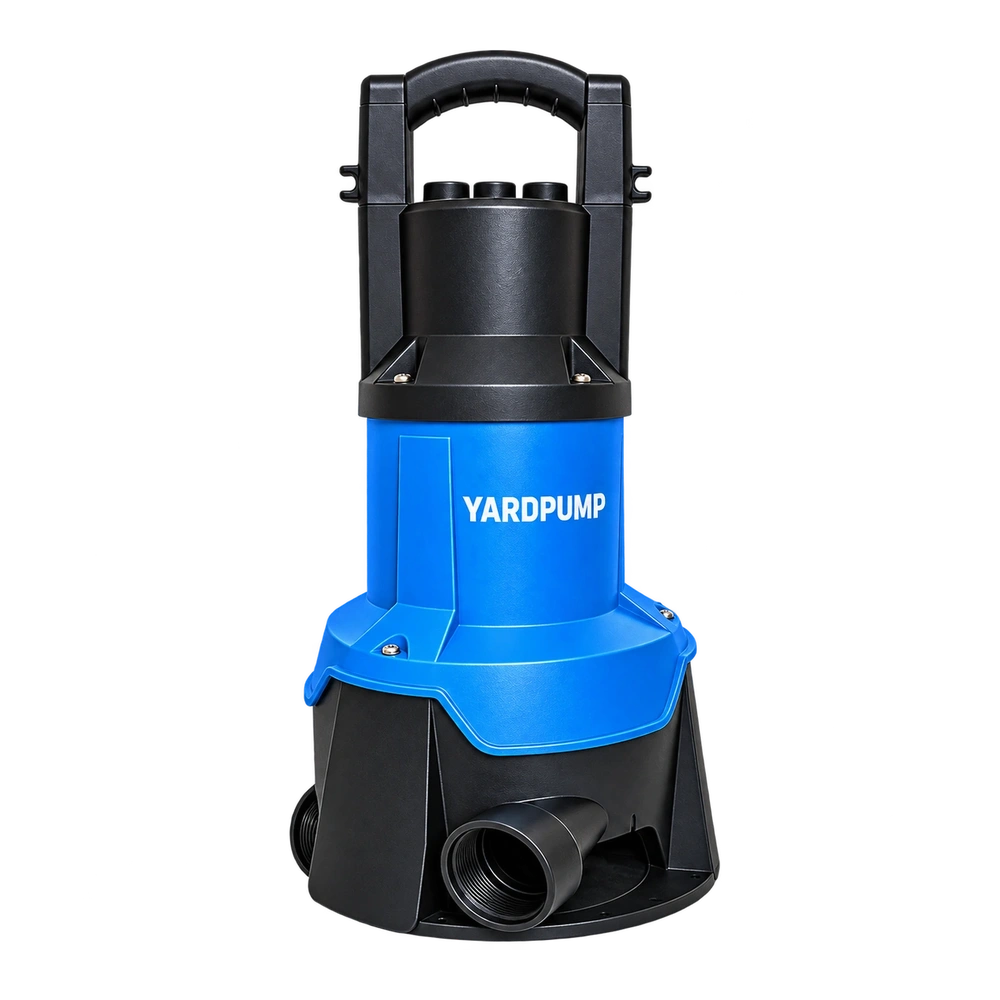
If water in a chamber after a septic tank looks clear, can a small clean-water pump replace the failed unit? First establish whether the chamber collects screened effluent or lifts raw wastewater. Select equipment approved for the medium and the installed treatment system. Colour is not a pump specification. Fibres, suspended material, deposits and the environment in the chamber can take equipment intended for clean water outside its permitted service.
Describe both the chamber and what it feeds
Some layouts put an effluent filter and a separate pump chamber downstream of the septic tank, then pump doses to a distribution system. The liquid differs from raw sewage and the job differs from simply emptying a pit. Where downstream distribution relies on pressure or dose volume, changes in flow and delivery time can affect how it works. Ask for the approved system drawing and pump schedule. Identify the chamber, the position of screening, potential bypass paths and the destination of the discharge. If the records are missing, have a service professional identify the system. Do not lift the lid to decide by appearance.
A filter limits what can pass through it under stated conditions; it does not establish that no fibres or deposits reach the pump. Describe the representative solids and fibres expected downstream of the screen. Check allowable liquid, materials, mounting, minimum operating level and control. A sewage pump with a larger passage is not automatically a replacement. It still has to meet the installed flow and head and the applicable system requirements. Do not introduce objects into an operating system to prove passage.
The same volume can take a different time to deliver
For a calculation example, suppose the design calls for a 120 litre dose over about 90 seconds. Average delivery is about 80 litres per minute. If a candidate pump delivers only 60 litres per minute with the actual discharge line and required downstream pressure, the same volume takes about 120 seconds. An open-pipe reading of 80 does not show that the pump will deliver 80 through the distribution system. Give the buyer the operating levels, pipework and downstream pressure requirement and have a qualified designer check them against the approved design. The figures are illustrative, not settings for a septic system.
Review control separately. Determine which levels define dose volume, when a high-level alarm is expected, and how drainback after stopping affects the next cycle. Check that screening and monitoring can be maintained. Keeping the original controls while choosing a pump by a larger wattage can change each dose and its distribution. Keep the pump selection and the control settings together in the service record.
Treat the chamber as a wastewater environment
Septic tanks and chambers can contain hazardous gases and biologically contaminated liquid. Do not enter, open the chamber for a personal inspection or improvise power connections. Have qualified personnel isolate electrical supply, assess the environment and handle service under the applicable requirements. This guide helps identify a procurement problem; it does not establish the site's sanitary, electrical or design compliance.
State the replacement scope in the quotation. The existing float, effluent filter or check valve may stay in service and may be involved in the complaint. A new pump will not necessarily correct high water or poor distribution if one of those parts is unsuitable. Have the service provider assess retained components safely and record which were approved for reuse. Distinguish a bare pump from a package with the required controls and connections. Resolve any system approval or design review before ordering, rather than expecting the owner to establish suitability by trial. Also preserve the old part identity for comparison; its size alone may not reveal its designed duty.
Frequently asked questions
Does an effluent filter make a clean-water pump suitable?
It is one condition. Match the actual medium, permitted use, downstream pressure and controls to the designed system.
Is maximum solids passage the safest criterion?
It does not establish delivery or correct dosing. Check the required operating point, volume and installation.
If the pump runs with no discharge, should I open the chamber?
Have a qualified service provider check alarms, isolated equipment and the discharge route. Do not open or enter the chamber yourself.