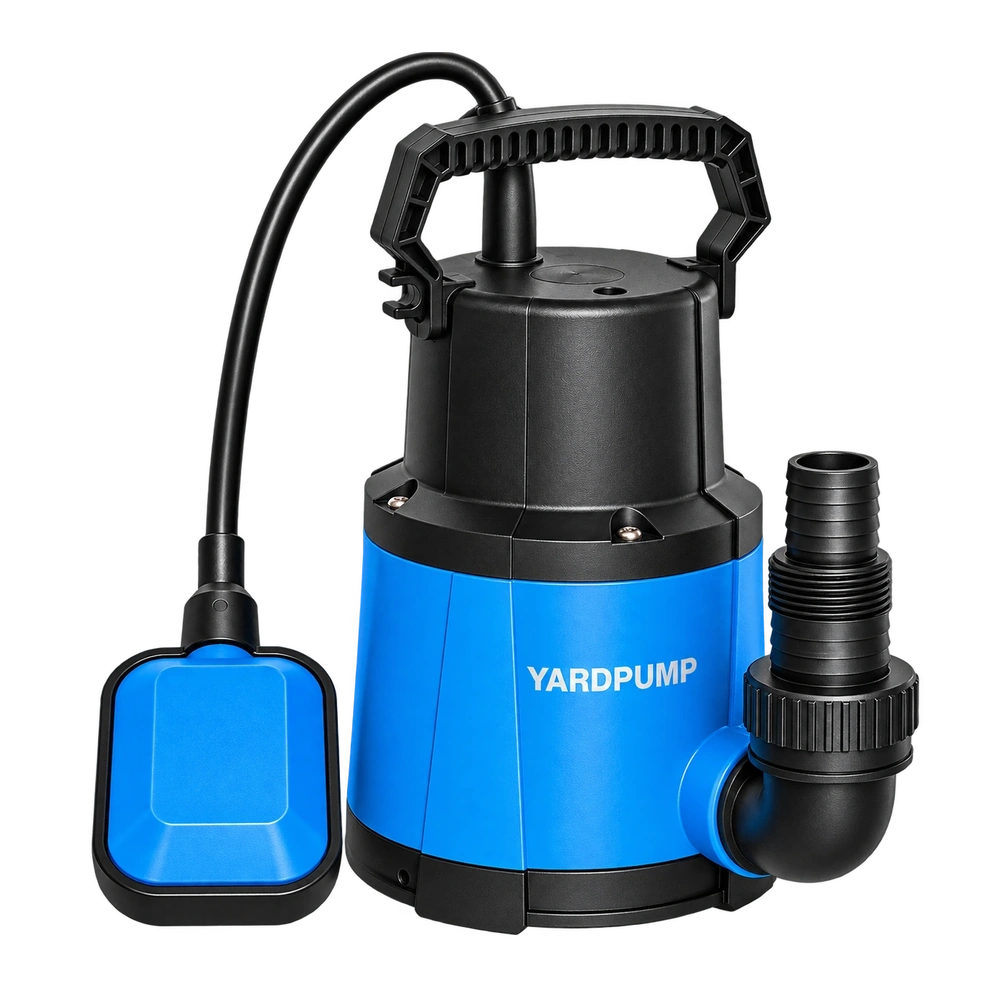
During a typical soft-sided pool draining job, the walls begin leaning inward and the liner moves towards the pump intake. Does this mean a larger pump is needed? Usually, the first question is whether the pool is being emptied by its approved method. Flexible walls and liners change their support conditions as the water falls. Local suction can also pull thin material against an inlet. Faster emptying is not automatically a better result.
Water level changes the structure being drained
A filled soft-sided pool maintains its shape through its particular construction. As water leaves, the loads on walls, frames or inflatable supporting elements change. Some movement may be part of the intended draining sequence; other movement can indicate an unsuitable arrangement. The pool instructions, rather than a general pump demonstration, determine the acceptable sequence.
Do not transfer this advice to an in-ground pool or another structure exposed to external groundwater pressure. Emptying those structures can raise different stability questions. A portable pump's ability to remove water is not evidence that the structure may safely be emptied. Establish that permission before discussing flow or residual-water performance.
A low-level intake can still trap a liner
If flexible material covers the inlet, delivery may fall while the pressure difference holds the material against the opening. Increasing pump power does not remove that contact problem. A low residual-water claim normally assumes a specified supporting surface and unobstructed intake conditions; it is not approval to draw directly against every flexible membrane.
Use a level supporting arrangement permitted by the pool and pump manufacturers. Avoid sharp edges, concentrated loads and positions where a collapsing liner can reach the inlet. An approved protective base or intake guard may help where specified. Wrapping a pump in cloth or foam is not an equivalent solution: the wrapping may block water movement and cooling.
Confirm the liquid and the destination
Pool water can contain disinfectants, salts, leaves and debris. A clear appearance does not establish compatibility with every drainage pump. Confirm the exact model's liquid, temperature and material restrictions. A stainless exterior or an ingress-protection marking does not answer those chemical-compatibility questions.
Plan the discharge before starting. Check the receiving location, hose high points and whether the outlet can continue accepting the water. Avoid returning the discharge towards the pool foundation or sending it somewhere that cannot accommodate the flow. The responsible site personnel should confirm the permitted destination and discharge arrangements.
Choose a rate that can be supervised
For illustration, six cubic metres divided by an installed flow of three cubic metres per hour gives an initial estimate of two hours. This is not product test data. Falling levels, changing losses and poorer intake conditions near the end can alter the flow. A simple division is therefore an estimate, not permission to leave the job unattended.
Observe the relationship between water level, supporting structure, liner and intake throughout the approved draining sequence. If the liner obstructs the inlet, the pump falls over or delivery changes unexpectedly, isolate power before investigating. Never reach towards a working inlet to pull the liner away. The response to an obstruction is a controlled stop, not more force.
The last water may require another method
At shallow levels, an automatic switch may not start and the pump may no longer satisfy its required cooling conditions. A low residual-water capability is different from the level at which an automatic system will start. Do not hold down a float, defeat protection or allow continued dry operation to imitate a demonstration.
Where the pool instructions allow it, finish using its designated drain, approved accessory or specified manual method. Do not force the walls down with weights to squeeze water towards the pump. Water transfer, pool cleaning and final drying are separate tasks, each with its own limits.
What a distributor should specify
Record the pool type, liquid condition, approximate volume, installed duty point, support arrangement and stopping conditions together. Confirm that the pump is suitable for that job. Electrical supply and protection must meet the equipment and site requirements, with qualified assessment where required. Keep people out of the pool water during powered draining, and protect the cable from trapping and mechanical loads.
Useful instructions explain when to stop and how to handle the remaining water. They also distinguish unsuitable structures from ordinary soft-sided pools. That detail helps prevent liner damage, intake obstruction and liquid incompatibility from being reported simply as “the pump has weak suction.”
Frequently Asked Questions
Will a more powerful pump leave less water behind?
Not necessarily. Residual-water capability depends on intake design, support and permitted operation. Power does not replace those conditions.
Can the pump stand directly on the liner?
Only where the pool and pump instructions support the arrangement and sharp edges, concentrated loading and intake contact have been addressed.
Is a pool-cover pump automatically suitable for emptying the pool?
No. Cover drainage and pool emptying can involve different support, controls, liquid conditions and operating durations. Check the intended application separately.