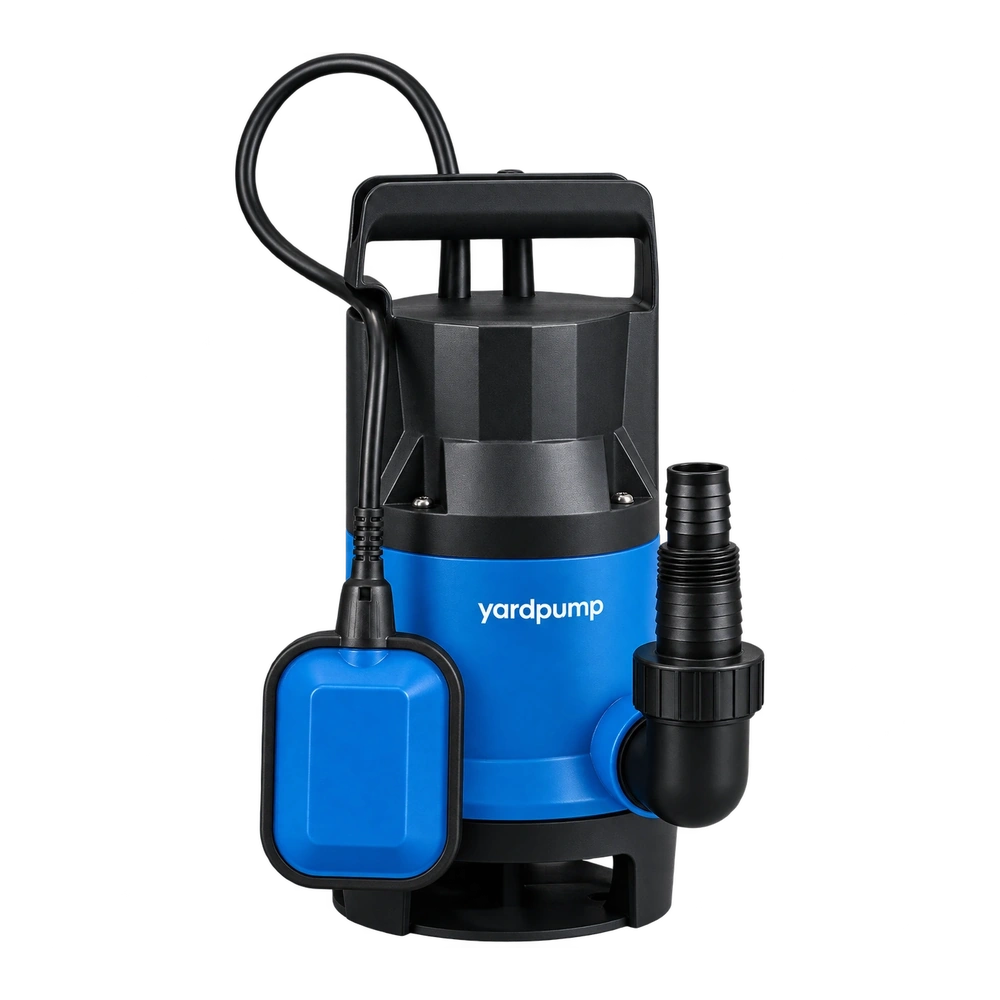
The shortest temporary drainage hose route crosses a doorway. Can the crew lay it down and add a warning sign? Establish safe access and hose protection before choosing the pump. A closing door, pedestrian trip, vehicle crossing or flattened hose can turn an acceptable hydraulic plan into a site problem. Routing belongs in the application specification.
Identify who needs the route
Walk from the collection point to the disposal point. Record doors, stairs, corridors, required exits, vehicle paths and pedestrian activity. A short hose run does not justify obstructing necessary access. Site management and applicable safety requirements must inform the arrangement.
Where a crossing cannot be avoided, assess an appropriate diversion, isolation or purpose-designed protective facility. It must suit the actual users, vehicles and hose. An arbitrary board is not automatically a safe crossing, and an unverified cover should not be allowed to crush the hose beneath it.
Warning signs can support an arrangement. They do not replace practical control of a clear obstruction.
A different route changes the hydraulic task
Avoiding the doorway may add length, bends or elevation. Available space may also influence hose diameter. Put the final route's losses back into the operating-point assessment and confirm delivery. A demonstration using the original short straight hose cannot prove performance after rerouting.
For a hypothetical task, removing 1,200 litres in twenty minutes requires an average 60 L/min. If the final arrangement delivers only 40 L/min, removal takes approximately thirty minutes with no further inflow. These figures do not specify a hose-loss value; they illustrate why actual delivery determines completion time.
| Site feature | Risk to review | Related hydraulic condition |
|---|---|---|
| Doorway | Closing door and trip obstruction | Local flattening and resistance |
| Stairs or corners | Support and available access | Length, lift and bends |
| Vehicle route | Crushing and protection capacity | Hose deformation and damage |
| Discharge point | Erosion, return flow and connection | Backpressure and outlet stability |
Water routing and cable protection are separate
Protect the electrical cable according to the installation requirements. Connections must not become exposed to unsuitable wet conditions because of the drainage operation. A hose crossing arrangement does not automatically provide suitable cable protection, even if both use the same cover.
Qualified personnel should confirm supply, protective measures and connection condition. Stop and isolate power before moving, clearing or servicing the equipment. Do not lift a hose while standing in energised floodwater or drag a pump by its cable.
Where safe access cannot be established, address isolation and competent working arrangements first. Getting the pump into the water quickly is not a reason to leave the installation unsafe.
Inspect after the hose fills
A full hose has different weight and can settle into a different shape. Check that supports do not concentrate loading on a plastic outlet or create a new pinch point beside a door. Changes to door position, stored materials or vehicle activity may require another route inspection.
Observe actual discharge, flattened sections and the disposal end. A locally crushed hose can move the pump toward an unsuitable low-flow or closed condition. An audible motor is not proof that useful drainage continues.
Assign responsibility for these checks. A temporary installation can remain in use long enough for the original route arrangement to be forgotten or altered by other work.
Include removal in the plan
At completion, follow the approved shutdown, isolation and handling procedure for retained water and pressure before collecting the hose. State who inspects the equipment, restores access and handles any damage.
This article focuses on the operating route rather than prescribing universal crossing dimensions or site rules. It does not change the pump's approved operating limits. The practical selection question is whether the final supported, protected route allows the required delivery while the site remains usable.
Frequently asked questions
Does a warning sign permit a hose to block an exit?
Do not assume so. Maintain required access and follow site management and applicable requirements.
Is a flattened hose harmless if the motor keeps running?
No. Flow and operating conditions may have changed. Stop and inspect safely.
Does a longer route always require a larger pump?
No. Calculate or measure the final duty before choosing hose diameter and pump capacity.