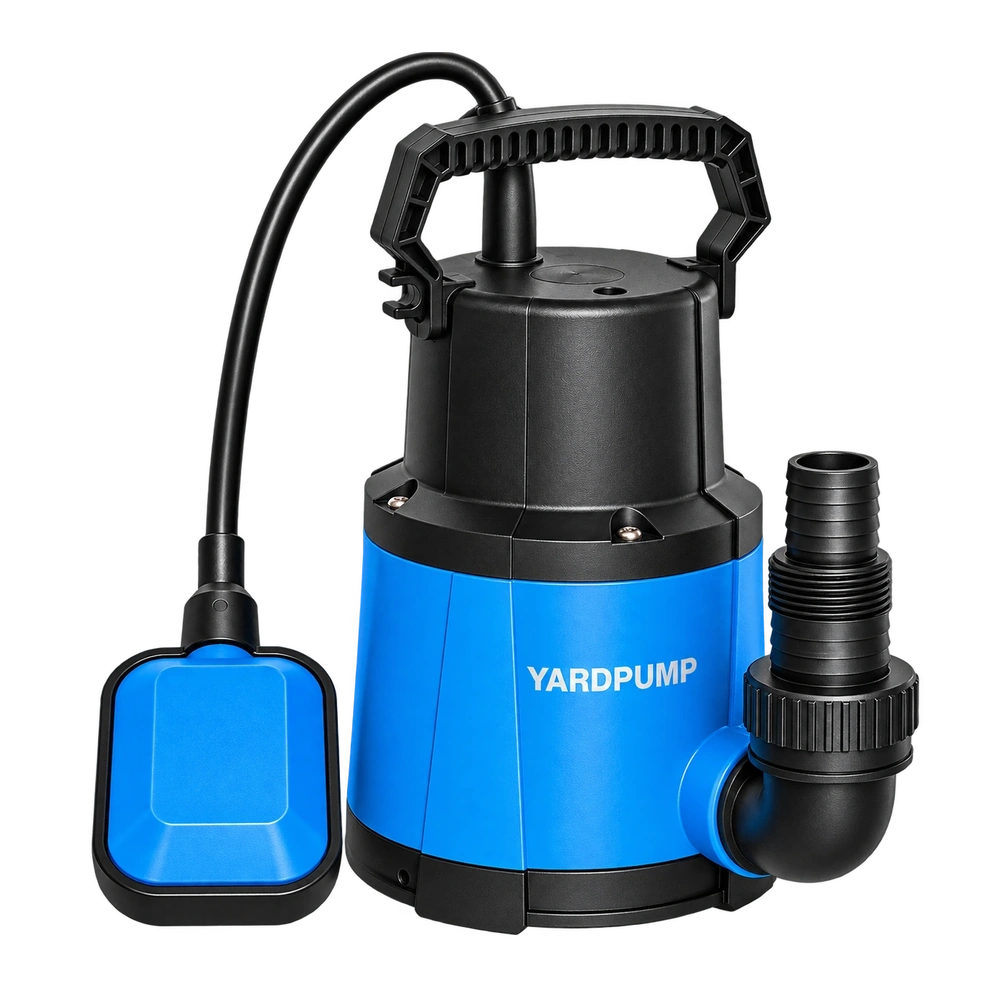
A basement water softener has no gravity drain. The installer proposes directing regeneration discharge into a basin served by a general utility pump. The water looks clear, so is that acceptable? Appearance is insufficient. Salt concentration, peak flow and temperature can vary during regeneration, and the pump, basin, seals and drainage system must suit those conditions.
The permitted discharge destination and backflow arrangements also need confirmation. A pump suitable for fresh water is not automatically suitable for repeated softener regeneration discharge.
Regeneration is not one constant liquid condition
Depending on the softener, regeneration may include backwashing, brine draw and rinsing. Conditions differ between stages. A dilute sample collected near the end does not represent the whole cycle.
Peak stage flow, duration and total discharge volume matter more to selection than an average spread across the day. Obtain the actual equipment data rather than assuming every domestic softener behaves alike.
Material compatibility covers all wetted components, including shafts, fasteners, elastomers, seals and connections. A waterproof enclosure rating is not salt-resistance certification. A permitted pH range also does not establish tolerance of regeneration brine. Obtain a clear application statement for the actual liquid conditions and pump version.
Reconcile the instructions for both appliances
A softener manual may permit a particular drain receptor where local rules allow it. That does not mean every pump serving that receptor accepts the liquid. Some general sump-pump manufacturers specifically advise against softener discharge.
Those statements address different equipment boundaries. An installation diagram from the softener supplier cannot serve as a compatibility or life guarantee for the receiving pump.
| Evidence | What to establish | What it does not establish |
|---|---|---|
| Softener instructions | Stage flow, volume, pressure and connection | Salt tolerance of any receiving pump |
| Pump instructions | Liquid, temperature, duty and control limits | Suitability of every similar-looking version |
| Basin and accessories | Materials, usable volume and maintenance | Compatibility of the complete system |
| Local requirements | Destination, backflow and installation conditions | Permission to discharge anywhere water can be pumped |
A qualified installer should confirm current local drainage and plumbing requirements. This guide does not prescribe a universal air-gap dimension. Do not connect regeneration drainage back into the drinking-water side or substitute an unverified sealed connection for required backflow protection.
Check peak inflow and usable storage
Suppose one stage supplies 10 litres per minute for eight minutes while the pump delivers seven litres per minute at the installed head. The difference could accumulate approximately 24 litres during that stage, before considering starting levels, return flow or other incoming water.
This is a hypothetical calculation, not equipment data. The basin’s nominal capacity is not the same as usable storage between operating levels and overflow.
Evaluate the maximum relevant inflow against the installed pump curve, control levels and appropriate margin. Consider pump failure, blockage and power loss as well. “It only regenerates a few times” does not establish sufficient instantaneous drainage capacity.
Specify and accept the complete arrangement
Before purchase, provide the softener model, cycle information, liquid range, proposed pump version, pipework and discharge destination for confirmation. Without suitable application evidence, select equipment approved for the duty or revise the drainage plan. Operating first and waiting for corrosion is not qualification.
Qualified personnel should complete installation and electrical controls to the relevant instructions. Isolate supplies before maintenance. Do not handle electrical connections in salty standing water or test for leakage by touch.
Acceptance should address the full regeneration cycle rather than only pouring fresh water into the basin. Record levels, pump cycling, delivery and the intended abnormal-condition response. Do not bypass appliance controls or invent an unapproved test to obtain those observations.
Maintenance should consider deposits, salt crystallisation, connections and controls. Changes to salt type, regeneration settings or the softener model can alter conditions and should trigger review of the drainage arrangement.
Frequently asked questions
Can clear-looking discharge be treated as ordinary clean water?
No. Dissolved salts may be invisible. Confirm actual liquid conditions and complete wetted-material compatibility.
Will a larger basin make an unsuitable pump acceptable for brine?
No. Storage can buffer some flow imbalance, but it does not change material compatibility or discharge requirements.
Does a softener diagram showing a sump permit any sump pump?
No. Confirm the softener’s drainage requirements and receiving pump’s application limits separately, then assess the complete installation.