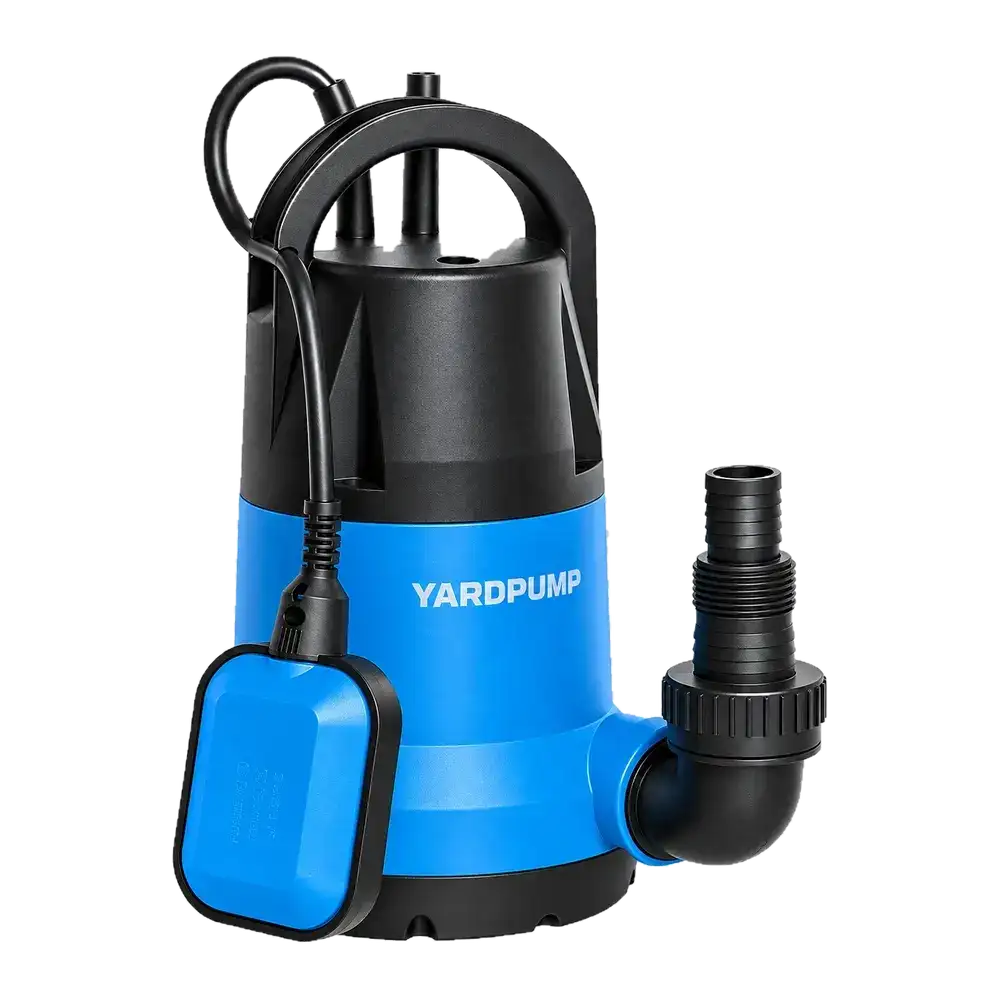
A returned plastic submersible pump has an oily crescent beside one motor bearing. The customer did not report oil in the discharge, and nobody has confirmed where the mark began. Do not diagnose a mechanical seal leak from the colour alone. Some greases release base oil, and a local stain can spread from the bearing area. A pump’s seal chamber, where present, is a separate possible source. Location, history and independent tests matter more than a photograph of the stain.
Find what could put oil in that exact place
Check the approved section and parts list for the returned configuration. Identify whether its bearing is greased, shielded or sealed as supplied, whether the design has an oil chamber, and which faces separate water, chamber fluid and the motor. A static housing seal, shaft seal, assembly aid or another lubricant in that model can create its own trace. In designs with no relevant chamber fluid, that proposed source does not exist. The parts list sets limits on what the teardown evidence can mean.
Grease is a combination of base oil and a thickener system. Oil separation can occur during storage and operation. A small smear near a bearing shield does not by itself show lubricant failure, bearing damage or an external leak. Conversely, an oil-like line that begins in another chamber and wets a path along a shaft or housing should not be dismissed as normal grease bleed. Orientation in service and transit, temperature history and previous disassembly can change the pattern.
Preserve the pattern before wiping or refilling
Use competent service personnel for teardown. Isolate the pump and follow the manufacturer’s safe disassembly and contamination controls; do not open or energize a returned unit at the retailer counter to reproduce the stain. If it is safe and appropriate under the service protocol, record the whole unit’s transport and operating orientations and photograph each newly exposed area before disturbance. Mark the wet side, bearing side, shield edge, chamber and suspected path on a copy of the layout. Keep cleaning products, gloves and previous repair records separate so new residue does not become part of the evidence.
Document whether the mark ends at the bearing, crosses a sealing boundary, or appears only on surfaces above or below the return orientation. Note whether the approved chamber contents, when relevant, show a quantity or condition change under the specified service method. Do not infer a deficit by comparing one drained volume with the original fill if the extraction method, retained volume and uncertainty differ. Look at seat condition, wear tracks and whether the seal assembly passes the applicable prescribed check independently of the stain.
For illustration, a mark restricted to the bearing shield rim, with no continuous wet path from the seal chamber, suggests checking grease identity, storage and the bearing first. If a verified return shows chamber fluid loss, a continuous track across a seal and a failed approved seal check, the seal hypothesis is stronger. If cleaning has erased the original route, the origin may remain unknown even after the pump gets fixed. Stop short of assigning a root cause that the preserved evidence cannot support.
Use the conclusion to guide repair or containment
If bearing grease is suspected, trace the actual bearing and its supplier and batch, review storage, condition and any service additions, and ask whether the separation is within the approved design. Do not add arbitrary grease to a sealed bearing. If evidence points to the wet-end seal or another barrier, retain the affected parts and look for the cause of transfer before just changing the seal. A verified sealing and electrical safety procedure still governs any return to use.
A service report should list observations, confirmed tests, the disposition and the unresolved alternatives. A stain consistent with grease bleed and a confirmed seal leak call for different actions and should not share one fault code.
Frequently asked questions
Can I tell which oil it is by colour or smell?
They are weak clues. Use product records, location and, when needed, controlled analysis of a preserved sample.
Does a dry inlet rule out a chamber leak?
It does not establish what happened inside the pump or earlier in service. Check the applicable boundaries.
Can a seal pass a bench check but still be involved?
A bench check covers its stated conditions. If the field condition differs, retain the uncertainty and use an approved reproduction plan.