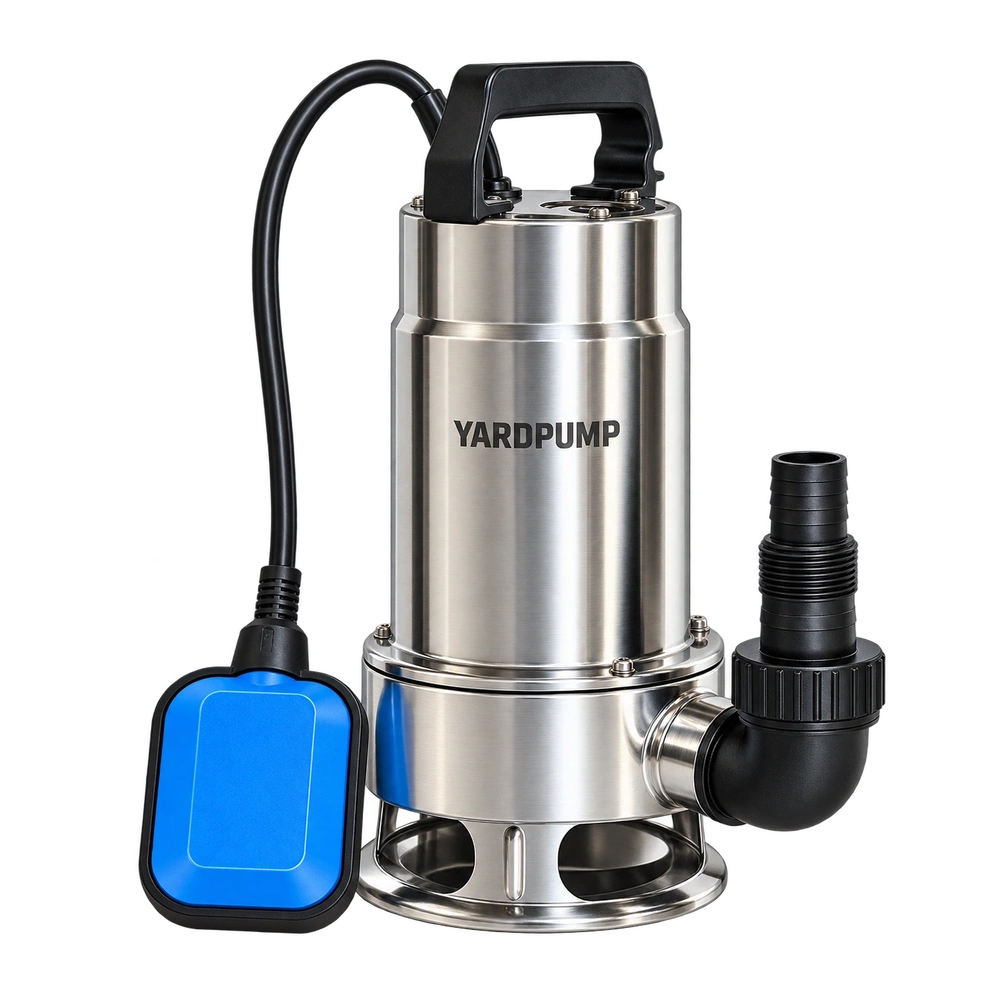
An assembler worries that a bearing may lack lubricant and proposes adding a little more grease. Too little, too much and an unsuitable mixture can each cause problems. Define the bearing arrangement, grease and filling method, then validate temperature and durability for the design. A cavity that looks full is not automatically well lubricated.
Leave the appropriate working space
Rolling contacts require a lubricant film suitable for their conditions. Excess grease can be continually churned by rotating parts, increasing resistance and heat. Insufficient quantity or poor distribution can fail to maintain the required lubrication.
The suitable fill depends on speed, size, temperature, arrangement and duty. There is no single percentage that can be applied to every compact pump bearing.
A factory-greased sealed bearing has its own filling and maintenance design. Opening the seal to add grease can introduce contamination, damage the sealing feature or change the quantity. It should not be presented as routine user maintenance unless the particular construction expressly calls for it.
Colour and consistency grade are incomplete specifications
Grease combines base oil, thickener and additives. Similar colour or the same consistency grade does not establish identical oil viscosity, temperature capability or material compatibility.
Selection should relate to actual load, speed and operating temperature, together with bearing and seal requirements. A more expensive grease is not automatically more suitable if its relevant properties are poorly matched.
Mixing can change consistency, oil separation and mechanical stability. Similar thickener names do not independently prove compatibility, and compatibility charts have conditions and limitations. Supplier changes, residues at an assembly station and casual addition of another grease during repair all deserve control.
Distinguish running-in from persistent overheating
Consider an illustrative engineering comparison using the same bearing, fit and load, with approved filling in one group and excess filling in another. Record temperatures and input during starting and stable operation.
If the overfilled group runs hotter, check distribution, seal friction and assembly differences before assigning all heat to grease quantity. One housing-temperature reading cannot isolate every heat source.
This is not a user instruction to experiment with bearing grease. Appropriate personnel should perform dismantling after isolation or use a controlled test rig. Water cooling around a submersible housing also affects external readings; water temperature or a hand on the casing does not measure the local bearing condition.
Keep a grease change traceable
Record the complete bearing designation, sealing arrangement, grease identity, supplier and batch, filling method and quantity control. For pregreased bearings, make sure the purchase requirement identifies the actual lubrication configuration rather than only a basic size designation.
Dimensionally similar bearings can contain different greases or filling arrangements. Treat a change as more than an interchangeable catalogue number where temperature or life depends on those details.
Validation should reflect operating duty, temperature and relevant restart conditions. Noise, grease migration and sealing condition may also matter. A lower short-term temperature does not independently prove longer service life.
If water or particles enter the bearing, changing grease does not repair the ingress path. Investigate the protective interface instead of treating lubricant choice as a universal remedy.
Preserve evidence during service inspection
Record grease location, appearance, contamination and raceway marks before cleaning. Dark grease can reflect wear debris or contamination as well as temperature exposure.
Interpret bearing damage, lubrication and seal condition together. Finding little visible grease after failure does not, by itself, establish that the factory originally added too little.
Quantity control needs suitable resolution for small components. One manual squeeze can represent a large relative variation. Use an appropriate metering or weighing check, with clean tools and controlled storage. A correctly labelled grease container does not establish the assembly condition if the dispensing gun still contains a different product from the previous job.
Questions about bearing lubrication
Does sealed-for-life mean the bearing lasts forever?
No. It describes a lubrication arrangement within operating and life limits, not immunity to heat, load or contamination.
Can the same grease always be added safely?
No. Addition still changes the total amount and must follow the design's relubrication requirements.
Does a hot bearing necessarily lack grease?
No. Fits, preload, damage, contamination and heat from the motor can also contribute. Investigate the complete arrangement.