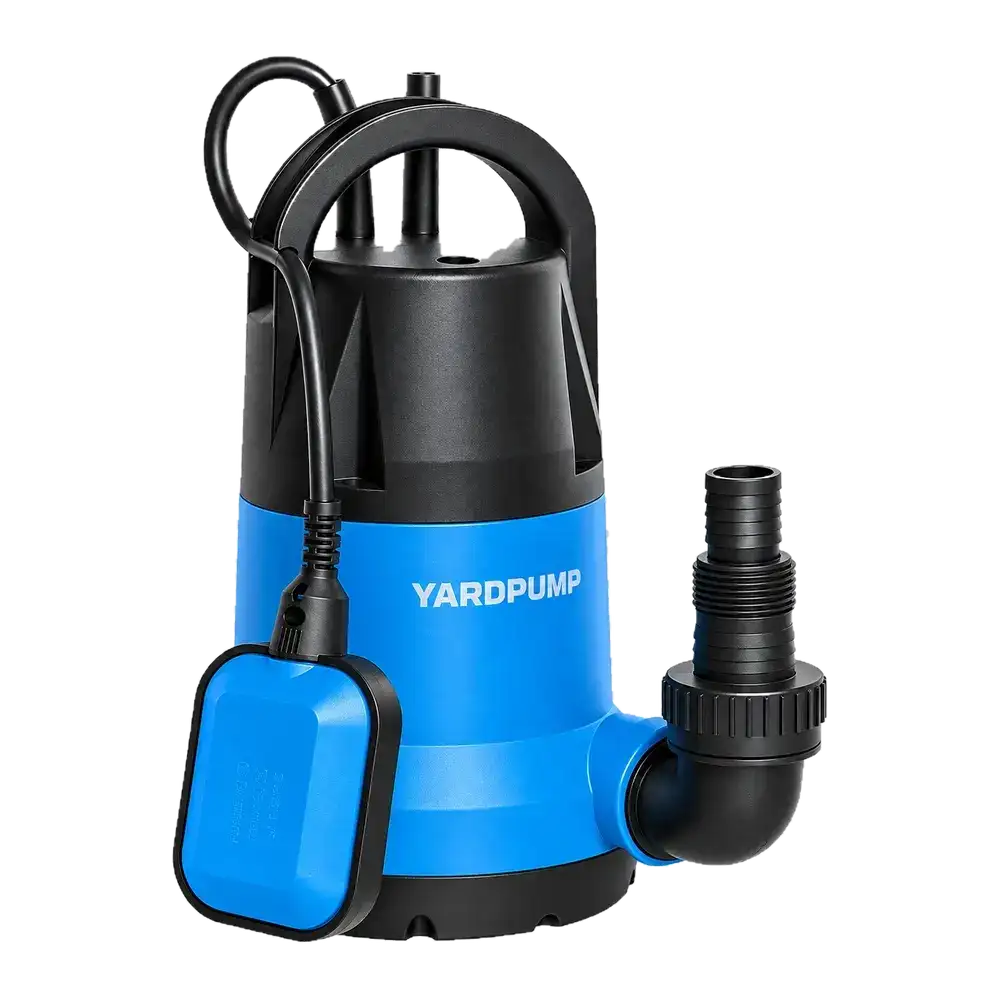
Suppose a service team finds grease between the two lips of a returned pump's radial shaft seal, with an oily ring outside it. Was the space overfilled, or is the oil chamber leaking? Check what the two lips are meant to do and what the assembly calls for. Some designs specify initial lubricant in that area. Its presence alone is not a defect, and the color of an external mark does not establish where the material came from.
Identify the function of each contact
In many radial seals with an auxiliary lip, the main lip is selected to retain or separate a particular medium. An auxiliary lip can act as a barrier to contaminants. The actual direction, pressure and liquid limits depend on the design. The main contact may receive lubricant from the retained medium or may require a specified preparation step. The auxiliary contact and the space between lips can have different conditions. One design may require a small amount of compatible initial grease there; a different design or a tandem arrangement of two separate seals is not the same case.
Wrong grease, wrong placement or excess can affect drag, local temperature or the cleanliness of surrounding surfaces, depending on the assembly. Material that moves out can also be mistaken for the liquid the seal retains. Removing lubricant called for in the instructions risks an inadequately lubricated contact. Check the seal number, shaft surface and intended use, permitted lubricant and documented assembly before assigning significance to the observation. Do not apply a universal instruction to pack the space or to wipe it completely clean.
Use the original location of the trace
Stop and isolate the equipment safely. Have qualified service staff record where the mark occurred before disturbance. Is it between the lips, around the outside fit to the housing, on the liquid side, or distributed as a ring on the nearby surface? Record orientation, lot or spare identification, service history, and the condition of the shaft and seat. Confirm the as-installed lubricant and operating liquid, and ask whether the unit was washed or opened earlier. Color and feel are clues, not positive material identification. If parts are damaged, use the approved replacement and test process rather than disguising the evidence with more grease.
For illustration, suppose the compatible initial grease was documented between the lips after a service and a faint trace appears at the edge. There is no confirmed loss from the oil chamber in repeat measurements at the same conditions. That does not establish an oil-chamber leak. If evidence shows an advancing wet path or a reproducible change in chamber contents, review the shaft contact, mounting direction, outside fit and neighboring sealing interfaces. Neither observation alone gives a release criterion for an actual model. Recording the original state and using the specified wet or sealing check is more reliable than interpreting a stained part after it has already been cleaned.
Mark whether the wipe was taken before or after opening a fluid cavity. That timing can prevent assigning a handling spill to a failed seal.
Resolve the service choice from the actual seal
Identify the approved part number, shaft surface, intended grease and procedure before replacing or relubricating. Do not use grease as an exterior gap filler or clear an uncertain wet end based on a brief start. Where liquid compatibility or cleanliness matters, review all wetted materials and the approved application. A useful service record separates two questions: was the specified lubricant applied to the intended place, and what path could explain the observed liquid?
Frequently asked questions
Is grease between two lips a defect by itself?
No. Some seals call for initial lubricant there. Confirm the design and assembly requirements.
Can adding grease outside stop a mechanical seal leak?
Do not treat it as a repair. Identify the actual path and use the approved procedure for the failed interface.
Is the color of a stain enough to identify oil from the chamber?
No. Record its position, the installed fluids and chamber state before the specified tests.