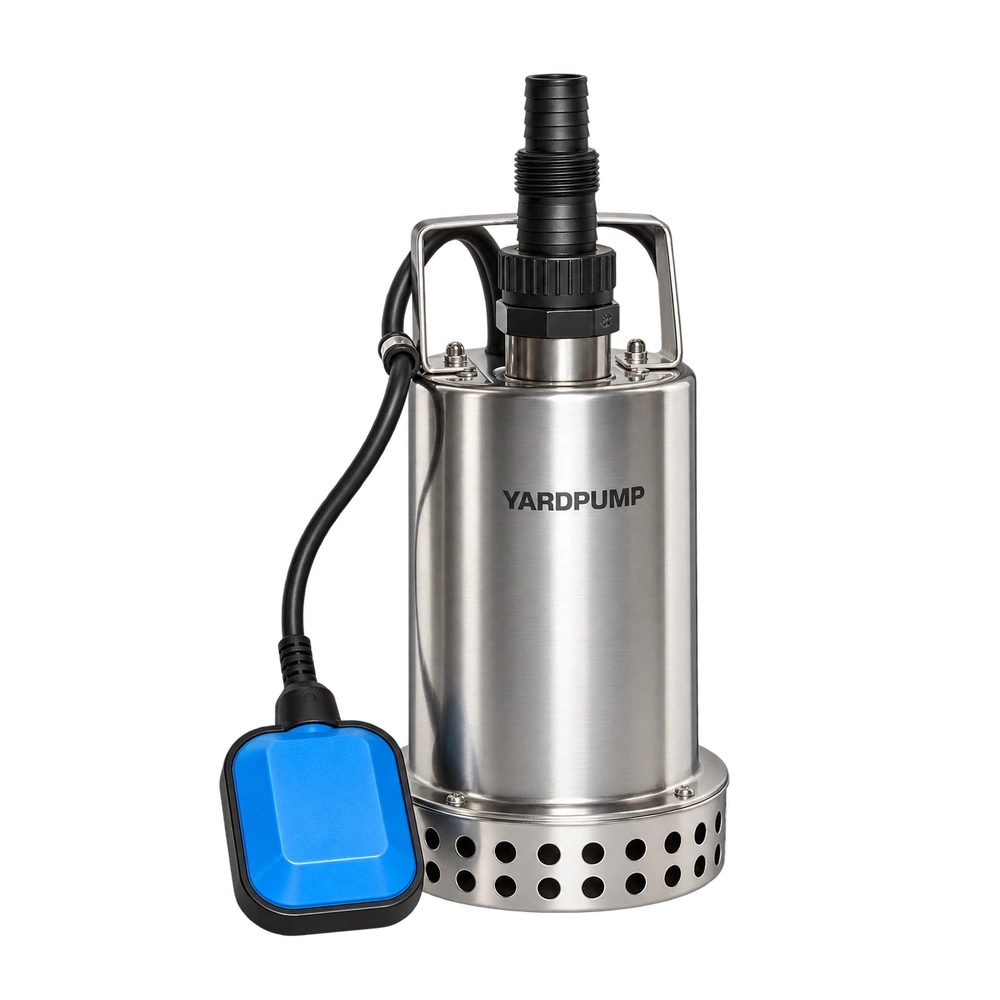
In a hypothetical repair proposal, a returned pump leaks at a housing joint. A repairer proposes a gasket one millimetre thicker: “It will fill the gap better.” That is not a dependable universal repair. Flat-gasket sealing depends on material, compression, mating faces and structural support. A thickness change may also alter assembly spacing, fastening and other fits.
Identify the original design before deciding whether an approved replacement exists. A flat gasket is not an O-ring gland or a mechanical-seal face; those arrangements cannot share a simple “thicker is better” rule.
The joint must compress the gasket appropriately
Specified clamping brings the gasket into contact with the mating surfaces and accommodates permitted irregularities. A gasket is not a soft substitute for an arbitrarily distorted or cracked housing.
Face flatness, fastener locations and component stiffness influence pressure distribution. Different gasket thicknesses may compress, recover or relax differently under the same loading.
A thicker material may accommodate some irregularity but also require different loading or allow more dimensional movement. A thinner gasket likewise cannot seal every rough or distorted joint. Suitability belongs to the particular complete assembly.
Additional thickness may change more than the seal
Depending on construction, spacing between housing sections can influence a cover, bearing location, shoulder, connection or impeller position. Some joints include hard stops, while others depend on the compressed gasket to establish final spacing.
For a hypothetical geometric example, suppose the original gasket is one millimetre thick in its working compressed condition. A replacement reaches 1.8 millimetres under its actual load. Assembly spacing may increase by 0.8 millimetres.
That is not an allowable tolerance for any pump. It illustrates why the relevant comparison concerns compressed thickness and the complete dimensional chain, rather than the uninstalled sheet alone.
| Item | What to establish | Inadequate shortcut |
|---|---|---|
| Material | Liquid, temperature, compression and recovery | Compare softness by hand |
| Mating faces | Flatness, damage, cleanliness and support | Fill every distortion with a thick gasket |
| Assembly spacing | Compressed thickness, stops and connected fits | Check the outside profile only |
| Fastening | Approved process, clamping and retention | Tighten more at the original torque |
Investigate the original loss of sealing
Preserve the leakage location, fastening condition and gasket impressions. Insufficient local compression may relate to distortion, trapped material, fasteners or an incorrect component revision.
Excessive indentation or extrusion may indicate over-compression, unsuitable material or inadequate support. A thin area on a removed gasket does not automatically establish an incoming manufacturing defect. Operation, ageing, removal and uneven loading can change the evidence.
Qualified personnel should perform internal inspection after electrical isolation and management of stored energy. Do not ask an end user to tighten an energised pump while searching for a leak.
Validate an approved replacement
The responsible designer or authorised repair organisation should confirm the drawing and material, including any permitted reuse or thickness change. Reusing an old gasket should not be the default assumption.
Stacking two gaskets or adding a large amount of sealant does not automatically restore the original joint. Such changes introduce different interfaces and compression behaviour and require their own approval.
Validation should go beyond a brief static leak check. Establish the relevant assembled location, rotation, sealing and electrical safety. Where required, examine retention after temperature changes and defined operation. Replacing the gasket does not authorise increased pressure, temperature or operating limits.
Specify the combination for purchasing and service
A drawing can identify material, outline, holes, initial thickness and applicable compressed-condition requirements. Incoming and assembly checks should support those requirements.
Compare alternative suppliers on the same basis. Matching nominal thickness does not establish matching compressibility or long-term joint behaviour. Records should connect the replacement part to the pump model and revision.
For distributors, a correct service kit restores a validated assembly. Making a leaking joint thicker may address one visible symptom while creating another location or clamping problem. The useful decision is whether the complete joint has been restored, not whether more material has been inserted.
Frequently asked questions
Does a thicker gasket always seal better?
No. Material, load, face condition and final assembly spacing must work together.
Are two thin gaskets equivalent to one thick gasket?
Not automatically. The additional interface and combined compression behaviour require approval and verification.
Can a same-size rubber sheet use the original tightening torque?
That cannot be assumed. Compression and clamping requirements may differ; use the correct manufacturing or repair specification.