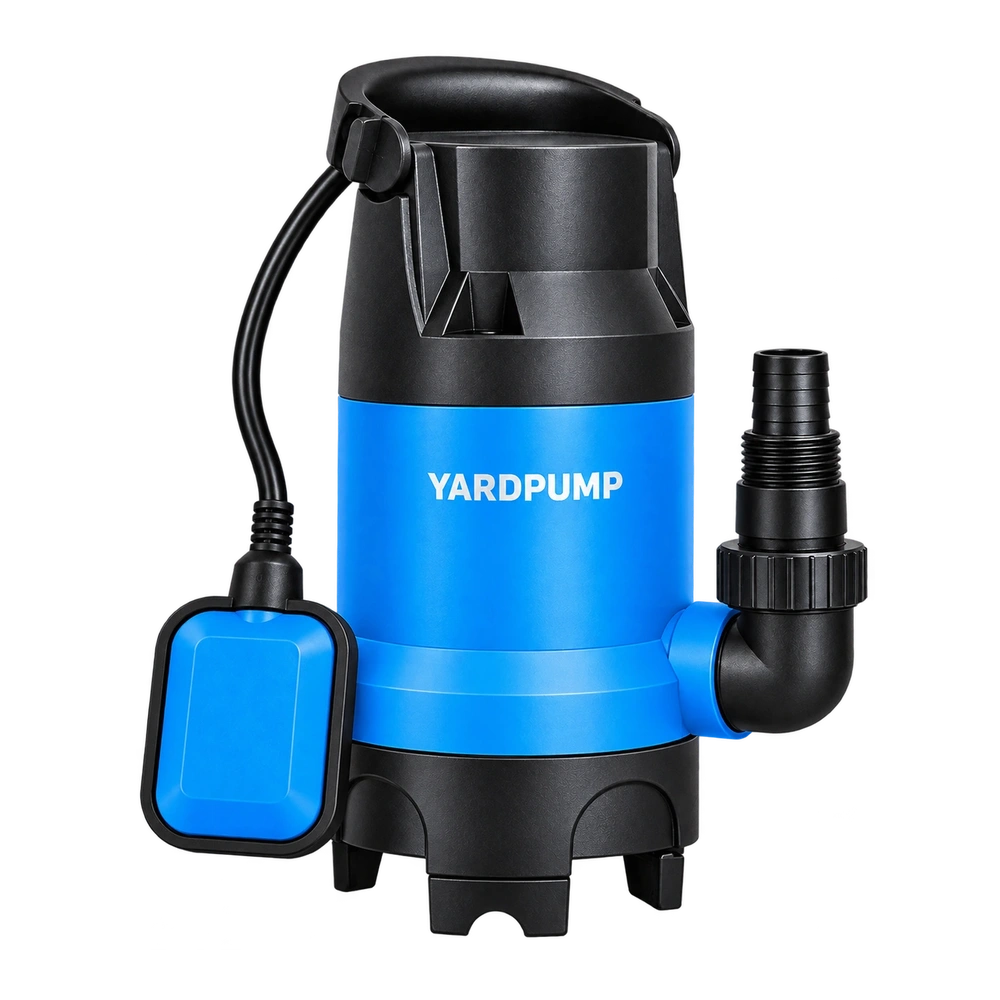
A replacement impeller tightens to the expected feel on a small pump shaft. The wet end then rubs, although the blade profile appears the same. On a design that locates the impeller against a shoulder or a specified spacer, check whether the shaft tip has reached the bottom of a blind hub bore first. Tightening force says something stopped movement; it does not establish which two surfaces touched. Confirm the designed location before changing clearance or tightening again.
Read the axial dimension chain
Find the impeller drawing, shaft revision and exploded assembly used by the relevant serial range. Identify the locator: shaft shoulder, approved spacer or a different feature. Some designs intentionally locate at an internal end or use a through-bore and fastener. Those should be inspected by their own drawings. This check concerns a hub that is supposed to reach an external datum even though the shaft enters a cavity with a closed end.
Measure from that datum to the projecting shaft end, including the geometry of its tip, any fastener protrusion or spacer called for by the design. Then measure the usable impeller depth from the matching seat to the first material that will actually touch the shaft. A fillet, uncut thread, burr, tapered drill point, debris or leftover moulding feature can limit usable depth before a depth tool reaches the deepest point. Identify both contact faces. Inspect shoulder fillet and hub chamfer: an interference there can produce the same visible gap even when the end has enough clearance.
Compare the old and new parts without running them
Use qualified service personnel and the approved teardown procedure with power isolated. An intact removed impeller or a verified sample is useful only once its identity and condition are known. Lay the three relevant pieces side by side: shaft or reference shaft, approved impeller and proposed replacement. Note where the mating marks lie and whether the corresponding locating faces have visible, even contact under the approved check. Do not grind out a cavity or add washers to make a sample sit as expected. Both change important dimensions and may hide a wrong part.
Assume an illustrative shaft projects 12.0 mm from its locating shoulder. The approved hub has 12.6 mm of usable depth, a nominal spare clearance of 0.6 mm before tolerance checks. A lookalike measures 11.7 mm to its first hard stop. All else equal, it may hold the hub about 0.3 mm off its shoulder. Those numbers are examples; drawings and stack tolerances determine the decision. A thin witness gap can matter in a pump designed for a small clearance to the casing.
If the dimension stack supports bottoming, check whether the marks actually match the end contact and confirm the part code before ordering another impeller. If usable depth is adequate, check shoulder interference, an incorrect spacer, fastener length, seating damage or an impeller with a different thickness between locating face and blades. Similar symptoms can have very different repair actions. Compare geometry first; repeated tightening can worsen a contact mark and damage the assembly.
Release the repair only after the full wet end is verified
Use the supplier’s procedure to check axial location, required running clearances and retention. If an unpowered rotation check is called for, do it only by the approved service method after safe isolation; do not reach into an assembled pool of water or defeat a guard. Then the qualified team can run the applicable assembled test for clearance-related rub, leakage and normal duty. Do not trial a suspected interference on live power simply to hear what it does.
For purchasing, tie impeller bore, locating face and shaft revision to their compatible serial range. Keep a labelled photo or drawing of the controlled contact. That is what lets a service desk reject the wrong part instead of sending a second part that tightens at the wrong stop.
Frequently asked questions
Is a torque reading enough to prove the hub seated?
No. A different stop can resist the same applied torque.
If the shaft end touches first, can I fit a thicker spacer?
Only if the approved design calls for it. Changing spacing also moves the impeller and can change retention and clearances.
Can an old worn impeller be used as a measuring master?
Only after its critical dimensions and revision are verified. Wear or a previous repair may have changed the comparison point.