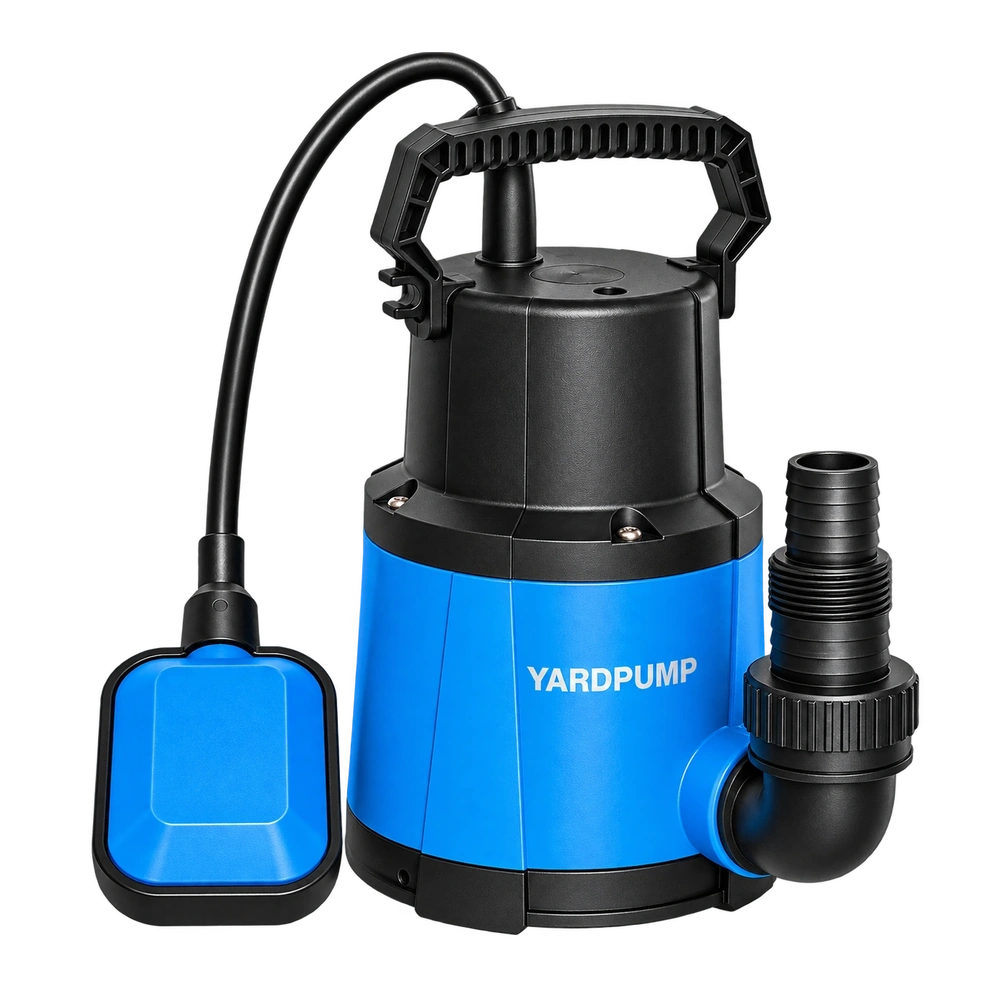
Imagine a supplier and an importer who test the same submersible pump’s starting current. The supplier uses a meter’s inrush mode. The buyer uses a maximum hold setting and obtains a higher number. Before judging the motor, establish what each instrument reports. An instantaneous peak, an RMS value over a triggered interval and the duration of the start are different measurements. A useful comparison begins by choosing the one the acceptance test needs.
A maximum reading need not cover the same part of the start
Current changes as the motor accelerates, and the first cycles can be asymmetric. An instantaneous peak is the amplitude at a moment on the waveform. RMS over a defined window uses the squared samples, their mean and its square root. A typical maximum hold function may retain the largest of periodically updated readings. If it is not synchronized to startup, it can miss the first part or capture an unrelated disturbance. An inrush mode often samples a defined interval after a trigger. The trigger, interval and output differ across instruments, even when their screen labels look alike.
Consider an illustrative trace with a short high peak near switching, then a lower current over the next several cycles. Meter A reports the instantaneous peak and meter B reports RMS over a triggered period. A higher number on A does not mean it is wrong or the pump is stalled. Extend B’s window to include more lower current and its reported value may fall on the same trace. A protection study also needs the duration and the device’s time-current behaviour. No single current value stands in for checking the protection arrangement.
Specify the trigger and bench conditions in advance
Use a controlled test setup. Have qualified staff select suitable sensors and instruments and connect them under approved procedures. Arrange connections in a safely isolated condition. Do not cut into a cord, open a live connection in a wet area or use a clamp around an entire multicore cable as a shortcut. Define the trigger and timing, the measured circuit, range, sampling or update method, time window, peak or RMS convention, supply voltage and starting control.
For comparable starts, keep water level, load and pipework as well as the starting method consistent. Follow permitted starting intervals and allow the pump to recover as required. With synchronized instruments, record supply voltage and current against the same time reference, and use the agreed definition of time to steady running. Check for probe saturation or clipped samples. A trigger set too high can miss the beginning. Investigate a trip or suspected mechanical obstruction before running further tests. Do not retry just to produce a number.
Compare like quantities and keep the trace for diagnosis
An acceptance sheet can list instantaneous peak, RMS for a stated interval, steady running current and elapsed starting time, then say which is used for the purchase criterion. When a supplier’s record differs, compare the pump configuration, units and measurement method. If both parties use their own meters, calculate the agreed quantity from a suitable retained trace or repeat the test with the same setup and method. A disagreement between two maximum displays does not justify changing a capacitor, changing protection or releasing stock.
This applies to repeatable small motor tests. Soft starters, electronic drives and direct starts need their own methods. Record the approved configuration and load and avoid extrapolating a universal starting multiplier.
Frequently asked questions
Can I divide a peak by the square root of two to get inrush?
Only a waveform and definition with the appropriate relationship allow that conversion. An evolving start and a selected window do not support a universal factor.
Which current number should I use to compare two suppliers?
Choose the one relevant to the acceptance decision and require the same trigger, window, quantity and duty conditions.
If the switch trips, should I repeat starts to capture a higher value?
Have qualified personnel review the trip before further testing. Do not bypass protection or retry simply to obtain a reading.