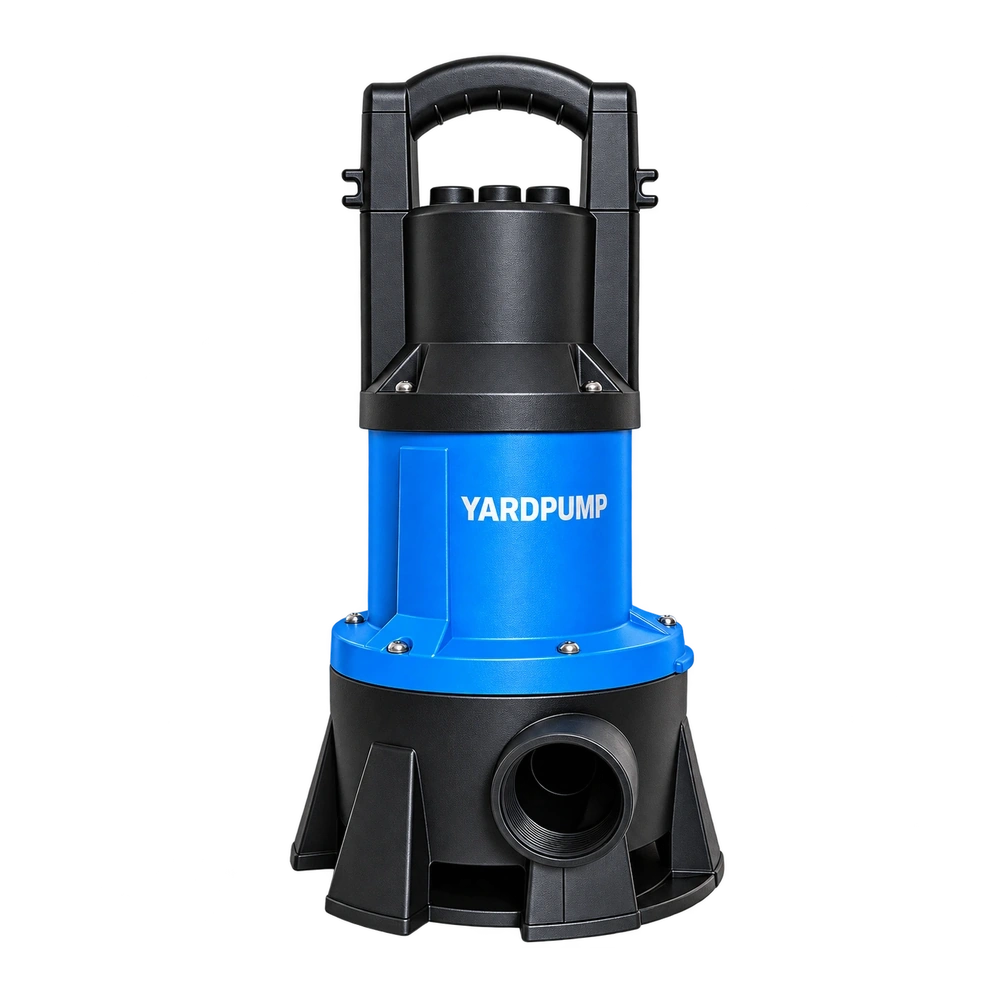
Consider a factory comparison in a test pit. During a small drainage pump test, the water level changes as the pump draws down the pit. One operator records an analyzer display above 300 W. Another sees about 100 W and enters that number on the inspection sheet. Neither display alone settles acceptance. If the purchase specification is for input power at a steady head and flow, measure there under the agreed stable conditions. If the purpose is to compare power across a repeating drainage cycle, divide the energy recorded over the defined interval by its elapsed time.
Set a boundary that both technicians can repeat
Take a hypothetical 30 second cycle. For the first 10 seconds, average input is 360 W. For the next 20 seconds it is 90 W. The energies are 3,600 J and 1,800 J. Their sum is 5,400 J, or 1.5 Wh. Average input over all 30 seconds is 180 W. Averaging the two watt readings without their time weights yields 225 W, an answer to a different calculation. The figures illustrate integration; they describe no particular pump. If the last segment includes waiting, decide before the test whether the waiting period belongs in the cycle. A pump running average excludes it by definition; a whole cycle average can include it.
Use active input power for the electrical measurement. Multiplying AC voltage by current alone does not resolve active input for every load. Record whether the boundary is the pump only or the supply to both pump and control equipment. A short cycle may be hard to resolve on a display or energy register. Where the duty is repeatable, use several complete cycles and retain the number of cycles, total time, energy and delivered water. Do not try to infer the display's smoothing window from appearance alone.
Keep energy and the water job on the same clock
Before the run, record the starting and stopping water levels, discharge arrangement, water temperature, supply conditions, definitions for head and flow, and the instrument range and data export method. Use a shared time base for float changes, the start of delivery, motor stops and any loss of flow. Check whether the flow instrument responds fast enough to follow the changes. Integrate energy over the interval for which you also have a meaningful water volume. To compare energy per cubic metre, ask both pumps to do the same delivery job. Ending early after moving less water is not evidence of a better result. If the purchase specification also calls for a steady point, run it separately and report it under its own heading.
Electrical measurements belong with qualified staff using a suitable, protected test arrangement. Do not extend a low water period beyond the permitted operating or cooling conditions to get a longer trace. If a protector stops the motor, record when it happened and make the stop visible in the report. Folding an unintended trip into a supposedly normal cycle could lower the average while hiding the issue. Keep individual cycles visible if the starting level cannot be restored or the motor gets progressively warmer. Determine whether conditions have drifted before pooling the results.
A useful inspection sheet gives another technician enough to repeat the measurement: the definition of the window, the energy channel, the water output over that window, and any abnormal event. Agreement on those entries matters more than agreement between two displays observed at random times.
Frequently asked questions
Is a steady number on the analyzer evidence of steady duty?
No. Confirm head, flow, water level and operating stage independently. The displayed result may already be averaged.
Is one peak enough to describe a cycle that lasts only a few seconds?
Only if a peak is the specified quantity and the instrument can capture it. For energy, improve resolution or integrate several complete repeatable cycles.
Do equal average watts mean equal pumping performance?
They imply equal energy only over equal durations. Compare delivered volume, head and measurement boundary before judging the job.