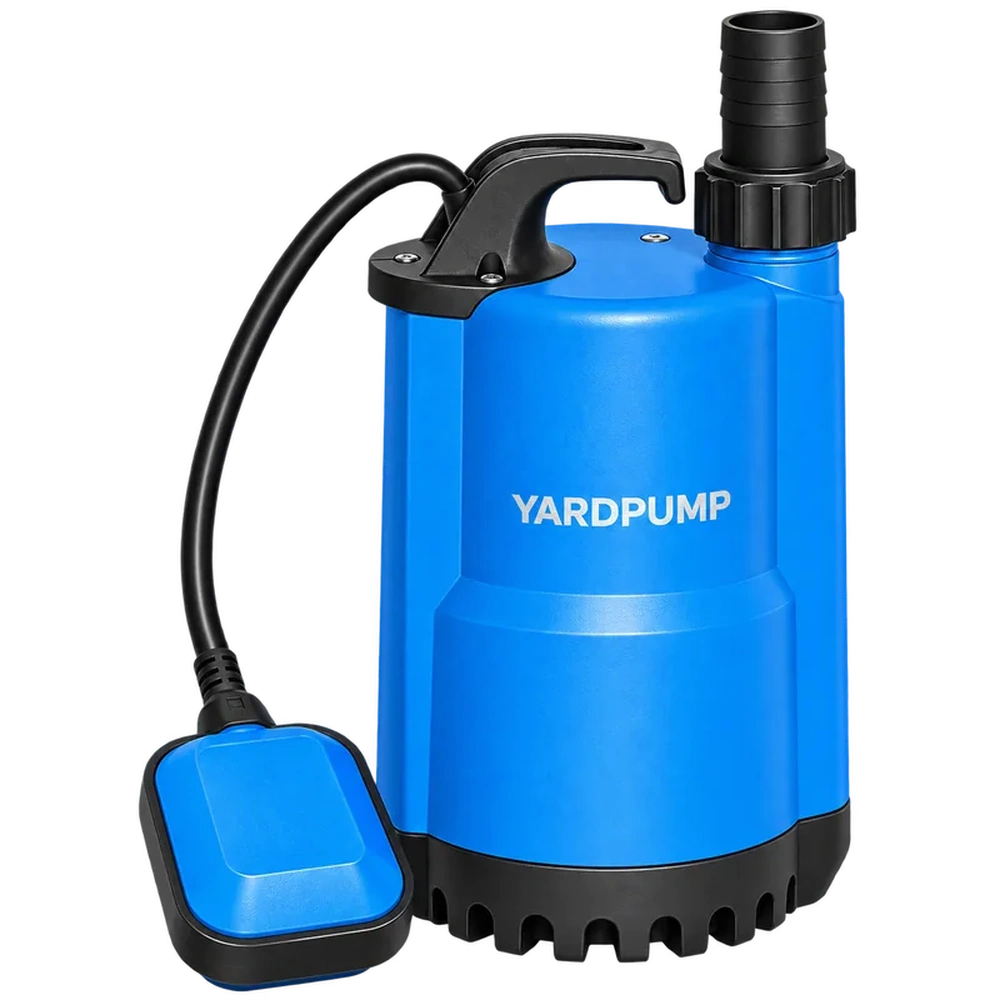
A typical acceptance-test question is the following. “The current rises sharply at start. The supplier calls it normal inrush, but the customer calls it a jammed pump. How can we tell?” Examine how current changes over time and whether the rotor accelerates successfully. Normal starting and a stalled rotor can both draw substantial current. A single maximum reading cannot separate them; current, terminal voltage and acceleration must be assessed together.
Why a healthy motor can draw high starting current
An induction motor begins with high slip, and its electromagnetic condition differs from operation near normal speed. Current should then change as the rotor accelerates. The magnitude and duration depend on motor design, supply conditions, capacitor or starting arrangement and mechanical load. One current multiplier cannot describe every submersible pump.
A stall means the rotor has failed to rotate or accelerate normally. An obstructed impeller, bearing resistance or rubbing parts can cause it, but inadequate voltage or a faulty single-phase starting circuit may also prevent acceleration. Humming does not identify the cause by itself. A protection trip is likewise evidence of an abnormal event, not automatic proof of a mechanical obstruction.
Why “a maximum of ten amps” is incomplete
Consider an illustrative example with two records showing 10 A. In one, that level lasts 0.2 seconds before falling clearly; in the other, it lasts five seconds. Treating each interval as constant current gives current-squared time integrals of 20 and 500 A²s respectively. The example demonstrates why duration matters. It does not calculate an actual motor temperature or establish an allowable stall duration.
Real current traces are not rectangular. Winding resistance, cooling and protective action also change with operating condition. Do not turn the example into permission for a five-second stall or delay protection to capture a longer trace. If the motor fails to accelerate, stop according to the manufacturer’s instructions rather than repeatedly energising it.
Specify the recording method
A normal clamp-meter display, maximum-hold function and dedicated inrush mode can use different sampling and averaging windows. Their values are not interchangeable. A useful report identifies the instrument, selected function, triggering method, recording interval and current trace or timed observations. Use the same method when comparing samples.
Record pump-terminal voltage during starting as well. Cable voltage drop may worsen acceleration even when the unloaded supply voltage looks satisfactory. Qualified electrical personnel should select instruments with suitable measurement ratings and safe connections. Users should not strip cables or make improvised live connections around water to obtain a reading.
The measurement window should be long enough to reveal the transition to steady operation while remaining within the approved test procedure. If only a peak value survives, mark the missing timing information rather than interpreting it as a complete starting test.
Cross-check electrical and mechanical evidence
First isolate power and prevent automatic restart. Follow the model’s permitted inspection procedure for inlet obstructions, visible damage and cable condition. Dismantling, bearing inspection and insulation testing belong with qualified personnel. Do not repeatedly attempt starts before the condition has been assessed.
If speed establishes normally, current settles promptly and hydraulic performance is appropriate, compare the captured inrush with the manufacturer’s expected characteristics. If current remains high without evidence of acceleration, investigate mechanical resistance, supply sag, the starting circuit and the controller separately.
Delayed water delivery is not a reliable rotor-speed indicator: a discharge line may first need to fill. Conversely, a small amount of moving water does not establish that the pump has reached its correct operating condition. Interpret output alongside the electrical record.
Turn the findings into purchasing criteria
At sample approval, obtain a normal starting record under specified voltage, cable configuration, initial water level and hydraulic load. If a controller is supplied, document its starting logic and any current limitation. Comparing peak currents from different control strategies without context can lead to a false ranking.
Production checks can look for significant changes in acceleration time, voltage dip, settled current and protective behaviour. Quarantine abnormal samples and preserve the first failure record. Increasing breaker size, bypassing protection or substituting starting components to suppress complaints may hide the cause and changes the validated configuration.
Frequently asked questions
Is lower starting current always better?
No. The design must also provide adequate acceleration and torque while remaining compatible with the supply and protection. A current value alone is not a motor-quality ranking.
Does a breaker that stays on rule out a stalled rotor?
No. Protective devices have their own operating conditions and time characteristics. No trip does not prove rotation or safe winding temperature.
Should we try several more starts to see whether the fault clears?
Avoid repeated attempts while the cause is unknown. Failed starts accumulate heat and can destroy useful evidence. Isolate the pump and follow the approved investigation procedure.