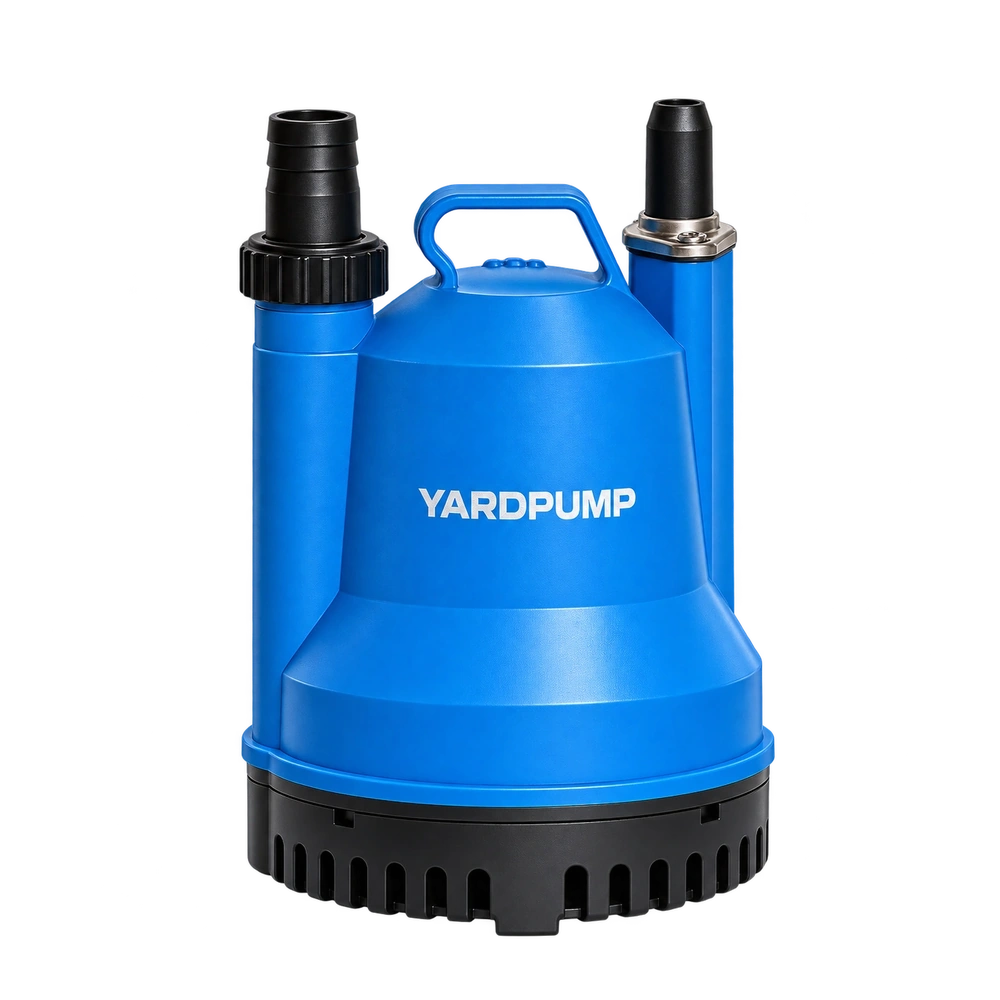
A returned submersible pump has a circular wear mark around the mechanical seal’s stationary ring. The repair team suspects that the ring rotated with the shaft. Should it simply be glued into place? No. A stationary ring may be restrained by the fit and friction of an elastomer support, or by a dedicated anti-rotation feature. Establish the approved construction before interpreting the marks or proposing a repair.
Adhesive applied without approval can alter alignment, compensation and material compatibility. Preventing visible movement is not the same as restoring a correctly functioning mechanical seal.
Stationary does not mean rigid in every direction
A mechanical seal controls leakage through contacting faces that slide relative to one another. Typically, one face rotates with the shaft while the other is supported in the housing. The stationary assembly needs the intended restraint, but may also need freedom to align or accommodate movement.
Axial retention and anti-rotation are different functions. A clip that prevents a seat from pulling out does not necessarily carry the operating torque. Some seal constructions use anti-rotation pins and others do not. A feature used in one design is not a reason to drill or modify another. Follow the seal drawing and approved pump assembly.
Preserve evidence before dismantling
Unintended movement may wear the ring exterior, its support or the housing bore, potentially disturbing a secondary sealing interface. However, a circular mark alone does not establish continuous rotation during operation. Installation, removal and cleaning can leave marks too.
Photograph the untouched assembly, record orientation and preserve the contacting surfaces before separating parts. Qualified personnel must isolate electrical supplies and manage stored energy before internal inspection. A wet pump with suspected electrical damage should not be run merely to listen for a fault.
| Observation | Possible area of investigation | Further evidence |
|---|---|---|
| Polished support or wear particles | Fit, material condition or sliding | Dimensions, material version and contact location |
| Circular housing marks | Ring movement or handling damage | Assembly records and removal method |
| Damaged anti-rotation feature | Alignment, loading or high face drag | Pin and slot condition, position and face evidence |
| Leakage with heating | Lubrication, contamination or misalignment | Fluid, level, operating history and face photographs |
Investigate the complete restraint system
Confirm that the ring, elastomer support and housing belong to the same approved configuration. Similar appearance does not establish interchangeable dimensions, material or seating depth.
Measure the relevant interfaces and check for contamination, incorrect lubricant or cleaning chemicals. An unintended lubricant may reduce restraint in a friction-held design. That does not mean every elastomer-mounted seat must be installed dry: the correct installation medium is specific to the seal supplier’s instructions.
Then examine the running faces. Debris, dry operation or face damage can increase drag and the torque acting on the stationary support. Strengthening the restraint without addressing that drag may transfer damage to the ring, pin or housing. Ageing supports, dimensional changes and installation misalignment also need assessment.
For example, imagine two batches with matching nominal dimensions but different, unapproved elastomer compounds. This is a hypothetical case, not a customer incident. Reducing the housing bore in response to slipping could miss the material change that caused the different fit. Room-temperature hand resistance alone cannot establish behaviour across the operating range.
Validate more than the absence of rotation
The responsible designer should approve changes to parts, installation methods and inspection requirements. Validation must establish suitable restraint while confirming that face operation, leakage and temperature have not worsened.
A short static leak check, a loaded operating test and an endurance programme answer different questions. None should be described as proving the results of the others. The extent of revalidation depends on what changed and the design’s intended duty.
For purchasers, a useful return report separates observed marks, confirmed movement and a proposed cause. That makes supplier discussions more productive and prevents an unproven explanation becoming the instruction for the next production batch. Retain the pump and seal versions so that any correction reaches the actual affected configuration.
Frequently asked questions
Should every mechanical seal have an anti-rotation pin?
No. Different stationary-seat arrangements use different restraint methods. Check the specific design rather than treating a pin as a universal quality feature.
Will gluing the ring stop leakage?
It does not establish a repair. Adhesive can compromise support or alignment, while damaged or contaminated faces may still leak. Use an approved repair method.
Does a wear mark require replacing the whole pump?
Not necessarily. Qualified personnel should determine the condition of the seal, housing and motor, follow an approved repair plan and complete the required whole-pump release checks.