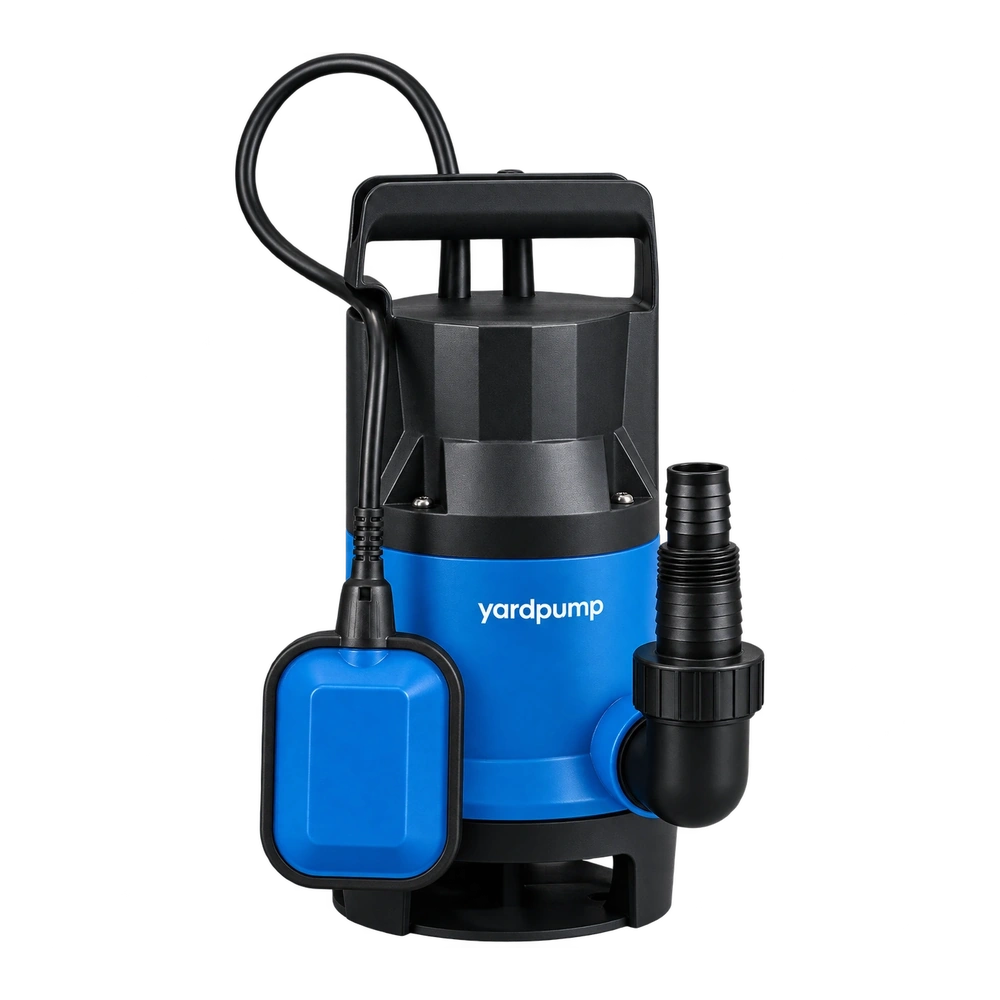
Two pump motors have the same rated shaft power, yet one stops more readily when resistance increases. Why? Rated power describes output at a specified point. It does not describe torque capability at every speed between starting and normal running. Compare torque-speed behaviour, actual load, supply and protection. A larger label or repeated uncontrolled stalls cannot establish a useful operating margin.
Equal power does not establish equal curves
Mechanical power equals torque multiplied by angular speed. Equal rated power at equal rated speed implies a comparable rated torque, but capability elsewhere can differ. Starting torque, the minimum available torque during acceleration, maximum torque and its speed all affect whether a motor accelerates and remains in its intended operating region.
A purchasing team cannot derive those characteristics from wattage alone. Motor structure, electrical design and supply version matter. A single-phase motor also needs assessment with its capacitor and starting arrangement. Results for one voltage, frequency or control method should not be transferred automatically to another version.
Compare motor and load together
Acceleration requires available motor torque to exceed load demand while supplying the acceleration associated with rotating inertia. Pump demand changes with speed and system conditions. Steady rated torque is not the resistance throughout the entire start. Rubbing, abnormal friction or a trapped object can move the assembly outside normal design conditions altogether.
Define “stronger”: easier starting under the specified normal load, or better maintenance of duty within a permitted supply boundary? It should not mean an ability to crush arbitrary debris. A mechanical obstruction is not an unlimited extension of normal service. A motor with substantial torque still needs suitable protection and a defined fault response.
| Comparison | Evidence required |
|---|---|
| Normal starting | Starting method, permitted load and acceleration |
| Rated operation | Actual duty, temperature and mechanical output |
| Supply variation | Voltage, frequency and permitted-range behaviour |
| Abnormal stall | Protective response and specified recovery |
Lower voltage is not merely a lower-speed setting
For particular induction-motor conditions, torque capability can be sensitive to voltage. A familiar squared-voltage relationship is a limited approximation, not a universal formula for every motor and controller. Use the actual design information and supply range, with appropriate validation. A calculated approximation cannot replace acceptance evidence.
Cable drop, source capacity and connections may matter especially during starting. Normal unloaded supply voltage does not establish adequate voltage at the motor during acceleration. However, inspect mechanical resistance and motor condition before assigning the problem to supply. A complicated site does not prove that the product is fault-free.
Do not ask a user to restrain an impeller
A stalled motor can produce substantial current, heating and mechanical risk. Applicable testing belongs to competent personnel using a controlled procedure. Users must not block an energised impeller with hands, tools or objects. Isolate a jammed pump and investigate under the instructions rather than repeatedly starting it to see which unit is more powerful.
Protection is part of acceptance. Check the relevant fault modes, response and recovery conditions. Installing a slower protector may conceal an unsuitable load rather than improve motor capability. Fewer protective interruptions are not automatically evidence of higher quality or greater robustness.
Ask the supplier a defined question
State liquid, required flow and head, starting level, starts and supply boundaries. Ask the design owner to explain load capability and the relevant curve. Where appropriate, compare starting, hot-state and stable-running records at the same configuration and conditions. Identify whether output power is directly measured or calculated using an assumed efficiency.
The objective is satisfactory normal duty with suitable protection, not uninterrupted operation under an uncontrolled fault. Rated watts begin the discussion. Torque capability, load and thermal boundaries determine whether the motor and hydraulic assembly work together reliably.
A report that separates these conditions can also distinguish a difficult installation from a design mismatch without claiming that either explanation must apply to every case.
Questions about torque margin
Do equal shaft power and speed imply similar rated torque?
The mechanical relationship gives that rated-point torque. It does not establish identical starting or maximum-torque curves.
Is greater starting torque always better?
Match load, supply, temperature and protection. One figure cannot independently rank complete-pump quality.
Can repeated restart attempts compare stall capability?
No. Isolate and investigate first. Repeated starts can extend electrical heating and mechanical damage.