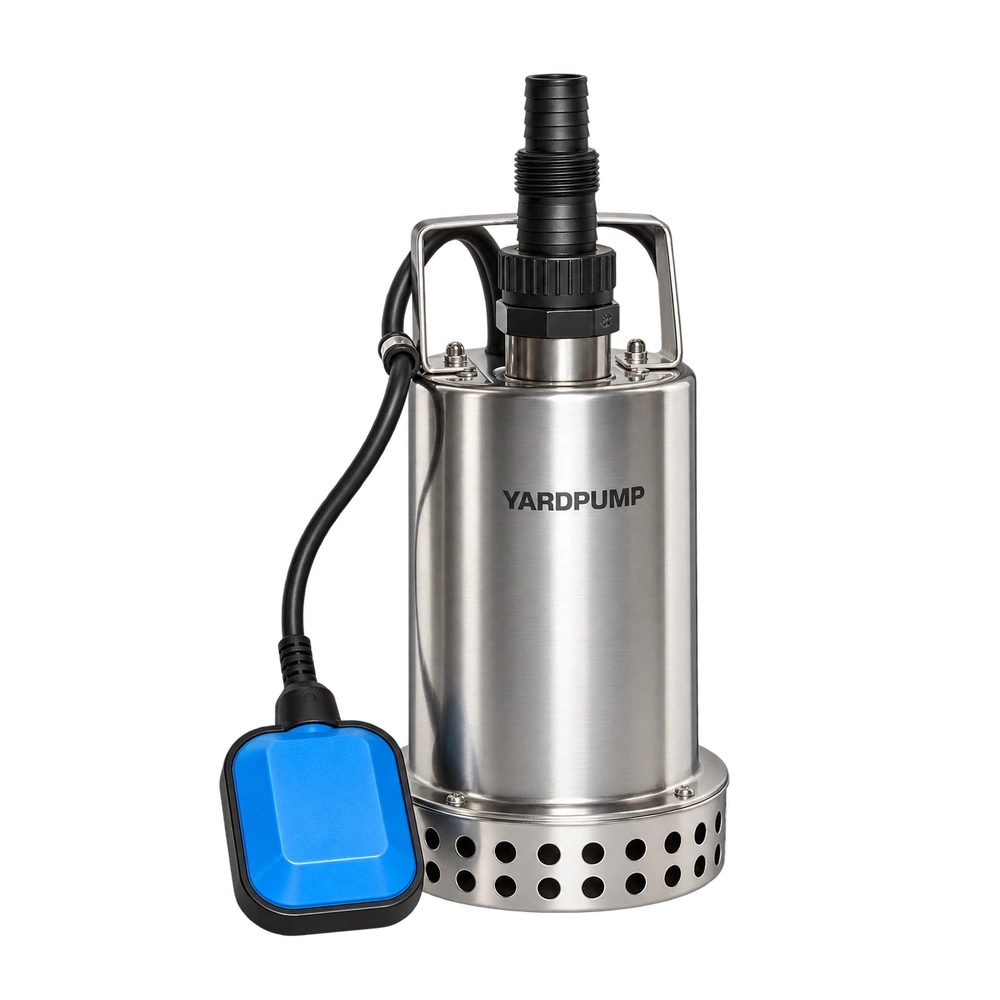
A familiar pump problem often starts with a simple observation: A pump starts normally in a warm workshop but hesitates after cold storage. The oil chamber is correctly filled, so the next question is whether the approved oil still has suitable low-temperature behaviour.
The useful answer is not to choose a larger rating or accept a supplier's single measurement. Identify the exact oil grade and batch, compare viscosity over the intended temperature range, and test the complete pump at the declared cold boundary. Do not diagnose from room-temperature appearance. This keeps the decision tied to the actual liquid, installation, component revision and operating point.
The decision first
Identify the exact oil grade and batch, compare viscosity over the intended temperature range, and test the complete pump at the declared cold boundary. Do not diagnose from room-temperature appearance.
The first step is to freeze what is being compared. Record the pump model or component revision, liquid condition, supply, speed, installation and test method. If two samples are tested under different water levels, temperatures, hose layouts or electrical conditions, the result cannot isolate the feature named in this article.
For a service complaint, preserve photographs, labels, marks, deposits and measured values before cleaning or dismantling. For a purchase change, connect the drawing, BOM, supplier lot, sample and production cut-in. That evidence prevents a plausible explanation from becoming an unsupported conclusion.
Why the symptom can be misleading
Oil viscosity rises as temperature falls. Higher viscosity increases churning and viscous shear around rotating parts and seal faces, adding to bearing, hydraulic and electromagnetic starting demands. Overfill can make the effect worse, while an incorrect high-viscosity substitute can change heat transfer and face lubrication. The motor must still accelerate through this combined load.
The observed symptom is therefore a system response. A dimension can influence hydraulics, mechanics and heat at the same time; a control component can change both operation and the evidence seen by a technician. The correct question is not whether one feature is “good” or “bad,” but what changes at the agreed duty and which limit becomes controlling.
A practical check plan
| Check | What to verify | 中文现场提示 |
|---|---|---|
| Oil identity | Record grade, supplier, batch and contamination condition | 记录等级、供应商、批次和污染状态 |
| Fill control | Verify quantity and required expansion space | 核对加注量和规定膨胀空间 |
| Cold test | Condition the whole pump, not only an oil sample | 对完整水泵进行低温平衡,而非只冷却油样 |
| Motor response | Compare start time, current and successful restarts | 比较启动时间、电流和重复启动成功率 |
Carry out the checks in a sequence that protects evidence. Begin with identity and external conditions, continue with non-destructive measurements, and dismantle only when the earlier results justify it. Use calibrated or otherwise controlled instruments appropriate to the decision. Record raw values as well as the final pass/fail judgment.
When several factors may be involved, change one controlled factor at a time. Keep an approved reference unit where possible. A matched comparison usually explains more than a single result against a broad catalogue tolerance.
Worked example
Example only: condition matched pumps at the agreed warm and cold temperatures, then record starting time, peak current, acceleration sound and stabilized running current. Repeat with the approved oil quantity; do not change oil and fill level in the same comparison.
Write the example assumptions into the report. Show the starting condition, what was changed, and the measured response. If the result depends on an assumed dimension, water level, voltage or material condition, label it as an example rather than presenting it as a YARDPUMP model specification.
How to turn the result into a decision
For selection, confirm that the installed duty remains inside the pump and accessory limits, then document the setup the user must reproduce. For procurement, turn every critical finding into a drawing note, inspection characteristic, approved sample or change-control requirement. For after-sales work, distinguish a confirmed cause from a symptom and an untested possibility.
Acceptance should cover the complete assembly where the interaction occurs. A loose component may pass a dimensional check and still behave differently after clamping, immersion, heating or loading. Conversely, a failed assembly test does not automatically identify which component is defective; it tells the team where a controlled comparison is needed.
Boundaries and safety
Oil compatibility with elastomers, insulation and any food-contact claim is product-specific. A lower-viscosity oil is not automatically an acceptable fix.
Industry mechanisms in this article are not specifications for every YARDPUMP model. Use the latest approved drawing, datasheet, manual and compliance file for the exact model and revision. Stop any test that creates unsafe heat, leakage, unstable support or electrical exposure.
Frequently asked questions
Do similar room-temperature viscosities imply the same cold start?
No. Compare viscosity across the intended range and retest after the complete pump reaches the cold condition.
Can I change oil grade and fill volume in one trial?
That cannot isolate the cause. Hold fill volume fixed when comparing grades, then investigate volume separately.
Does a slow cold start prove the oil is at fault?
No. Supply conditions, seal friction and impeller load can produce similar symptoms.