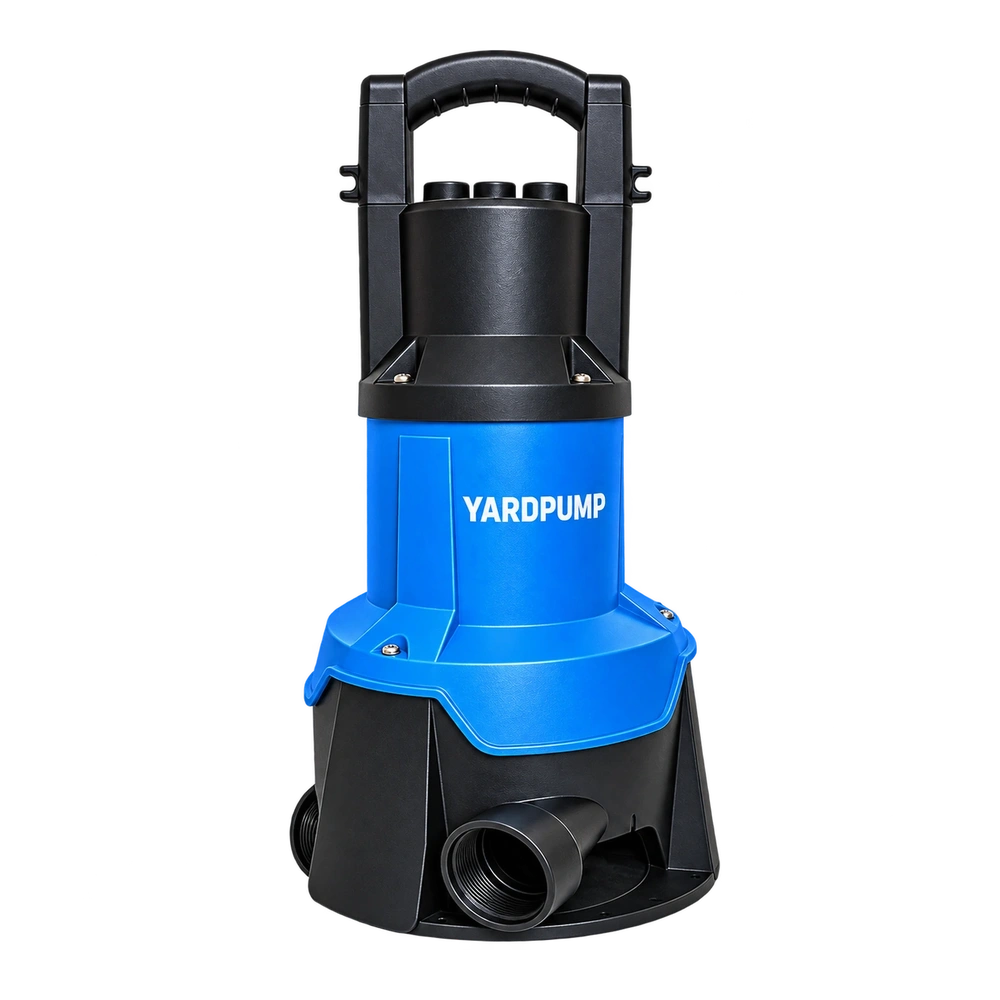
A pump trips an “air switch” immediately on starting, and someone suggests fitting the next larger breaker. Stop before changing protection. Identify which device operated and have a qualified electrician assess the pump, supply and protection together. A startup trip can involve inrush, a fault or an unsuitable circuit; increasing the current rating can leave the wiring inadequately protected.
Name the protective function first
Users often call several devices a breaker. A miniature circuit breaker addresses overcurrent; a residual-current device detects a different fault condition; a combined device performs both functions. Record the markings and trip indication where available. An earth-leakage event is not diagnosed by choosing a slower overcurrent curve.
Do not repeatedly reset an unexplained trip or try another unprotected supply. Keep damaged or suspect wet equipment isolated. A pump that starts once after several resets has not established safety. The investigation should preserve when the trip occurred, what else was connected and whether the pump accelerated normally.
Current magnitude and duration belong together
A motor draws a transient starting current before reaching normal speed. Protection responds to its time-current characteristic, not only the running amps. Different breaker curves can have different instantaneous behaviour, while the circuit still requires the correct cable and fault protection.
An illustrative assessment compares a measured startup trace with the actual device curve and its tolerances. A high but brief current is different from prolonged failure to accelerate. A single clamp-meter peak without duration cannot make that distinction. Likewise, a trip at startup does not exclude a short circuit, insulation problem or mechanical stall.
Examine the starting system
Qualified personnel should check the supply conditions, connections, cable route, permitted extension arrangement and pump configuration. Excessive voltage drop can prolong acceleration; mechanical obstruction or an incorrect capacitor can also affect starting. These possibilities require measurement and safe inspection, not the assumption that every small pump has the same inrush multiple.
Observe whether the problem occurs only at the site, only with another load or also on a suitable controlled test supply. Keep the hydraulic and mechanical conditions documented. Do not perform live wet dismantling, bypass the float or thermal protector, or change internal wiring to obtain a start.
Coordinate protection rather than removing it
The electrician must assess the load, conductor protection, fault-clearing requirements and applicable installation rules. A different curve or circuit arrangement may be appropriate in a properly designed system, but that conclusion cannot come from a generic article or the pump's watt label alone. A higher rating is not a universal remedy.
For a distributor, request the exact pump electrical version, protective-device identity, startup event record and qualified findings before assigning a product defect. A workshop demonstration should use the correct supply and protection, and its result must not be presented as approval of an unrelated site circuit.
For YARDPUMP compact pumps, follow the model instructions and destination-market electrical requirements. The decision is to make the pump and properly protected installation work together. If a safe diagnosis or required circuit correction is unavailable, keep the unit isolated rather than accepting a larger breaker as evidence that the original problem has been solved.
A useful event record includes the exact protective-device identification, time from energization to trip and whether its indication distinguishes residual-current from overcurrent action. Have the electrician interpret that information. The distributor should not translate a customer’s phrase “it trips instantly” into a measured duration or an electrical diagnosis. Preserving that uncertainty makes the next investigation more efficient and avoids an unsafe protection recommendation.
Frequently asked questions
Is an immediate trip always harmless motor inrush?
No. Faults and stalled starting can also produce a startup trip.
Can a Type C device always replace Type B?
No. The whole circuit and applicable requirements need qualified assessment; the letter is not a universal pump recommendation.
Does normal running current prove the breaker is wrong?
No. Starting duration, fault conditions, connections and protection coordination still need examination.