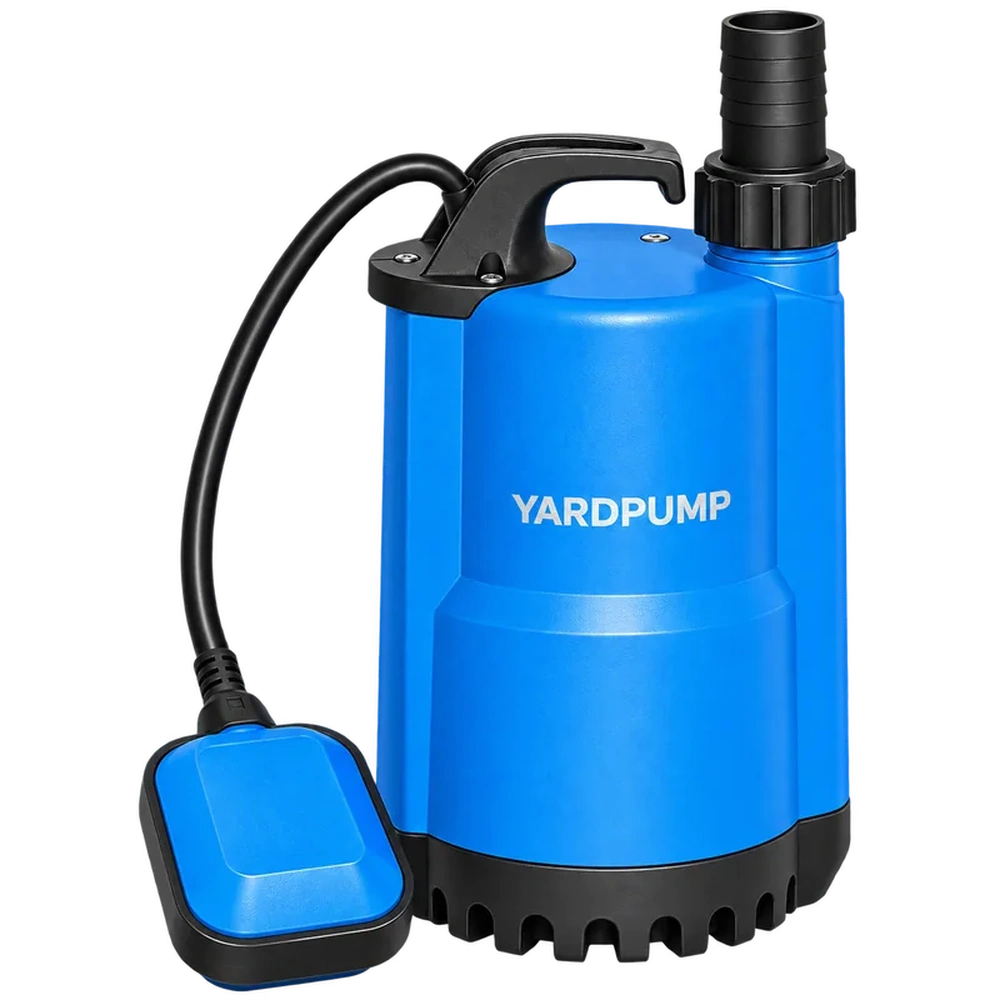
Two stator stacks have similar lengths and tidy appearances, yet one finished motor runs hotter. The immediate suspicion may be insufficient copper. Winding loss matters, but core loss must also be considered. Burrs or processing damage can compromise interlaminar insulation and create unwanted conductive paths, increasing local loss and heating.
Why the core is laminated
An alternating magnetic field induces eddy currents in conductive material. Thin laminations with suitable insulation between them help restrict those current paths.
The result depends on more than dividing steel into many sheets and pressing them together. Steel grade, thickness, coating, blanking, stacking and subsequent processing all contribute to the finished core.
A burr bridging adjacent laminations, or a conductive connection created along a slot edge, can weaken the intended separation. However, a visible burr does not establish a numerical increase in motor watts. Its location, extent, magnetic conditions and surrounding geometry matter. A neat outer stack does not prove intact insulation inside.
Separate core evidence from the full heat problem
High motor temperature can also result from load, supply voltage or frequency, winding design, friction and cooling. Keep those conditions comparable when investigating.
No-load input is not entirely core loss. It includes other contributions, so labelling all no-load watts as iron loss creates a misleading diagnosis.
| Evidence | What it helps assess | What it cannot establish alone |
|---|---|---|
| Burr and slot-edge condition | Processing quality and possible bridges | A specific full-motor efficiency penalty |
| Dedicated core testing | Loss or hotspots under defined conditions | Every operating duty |
| Complete-motor comparison | Combined input, output and temperature | One isolated cause without supporting evidence |
| Process and batch records | Association with manufacturing changes | Responsibility based only on a date |
Review the manufacturing route
Tool condition, burr control, stacking pressure, fastening and later machining can affect interlaminar condition. Winding removal, mechanical cleaning and inappropriate heating can also introduce damage.
Any restoration method needs approval. General grinding or recoating must not be assumed to recover the original magnetic performance.
Local slot and tooth changes can affect both winding insulation and the magnetic circuit. Repeated problems associated with a tool or batch call for investigation of that process. Adding stack length is not a substitute for controlling a defect.
The relevant question is whether the finished core retains the intended material and electrical separation, not whether it simply looks dense or heavy.
Use a suitable test method
Competent personnel should perform approved core-loss or hotspot assessments and record the conditions and scope. Results from different methods, equipment or flux levels may not be directly comparable.
There is no unsupported universal loss limit appropriate to every small pump motor. Establish the acceptance basis for the actual core and design.
For a hypothetical comparison, two geometrically similar stacks behave differently under the same dedicated test, and the hotter one has damaged slot edges. That supports a hypothesis to investigate through controlled examination and complete-motor validation. It is not a reported production result or proof from appearance alone.
Electrical work and disassembly of an assembled motor require isolation and qualified personnel. End users should not grind slots, strike laminations or perform live experiments.
Control the transition from sample to production
The purchase requirement should identify material, lamination and processing conditions, important checks and change-notification rules. Retain traceability for blanking and treatment after the sample is approved.
A later process change must not inherit old approval without assessment. Dedicated core checks and full-motor temperature and efficiency validation should complement each other.
Lamination count and stack length remain useful dimensions, but they do not describe insulation integrity. A reliable purchasing conclusion connects material, manufacturing condition and operating evidence.
Frequently Asked Questions
Can more laminations compensate for burr damage?
Not by assumption. Stack quantity and interlaminar-insulation quality are separate matters.
Does high no-load input prove core damage?
No. Other losses contribute and require appropriate separation.
Will grinding the slot edges restore the core?
Do not improvise that treatment. It can further damage insulation, dimensions or the magnetic structure.