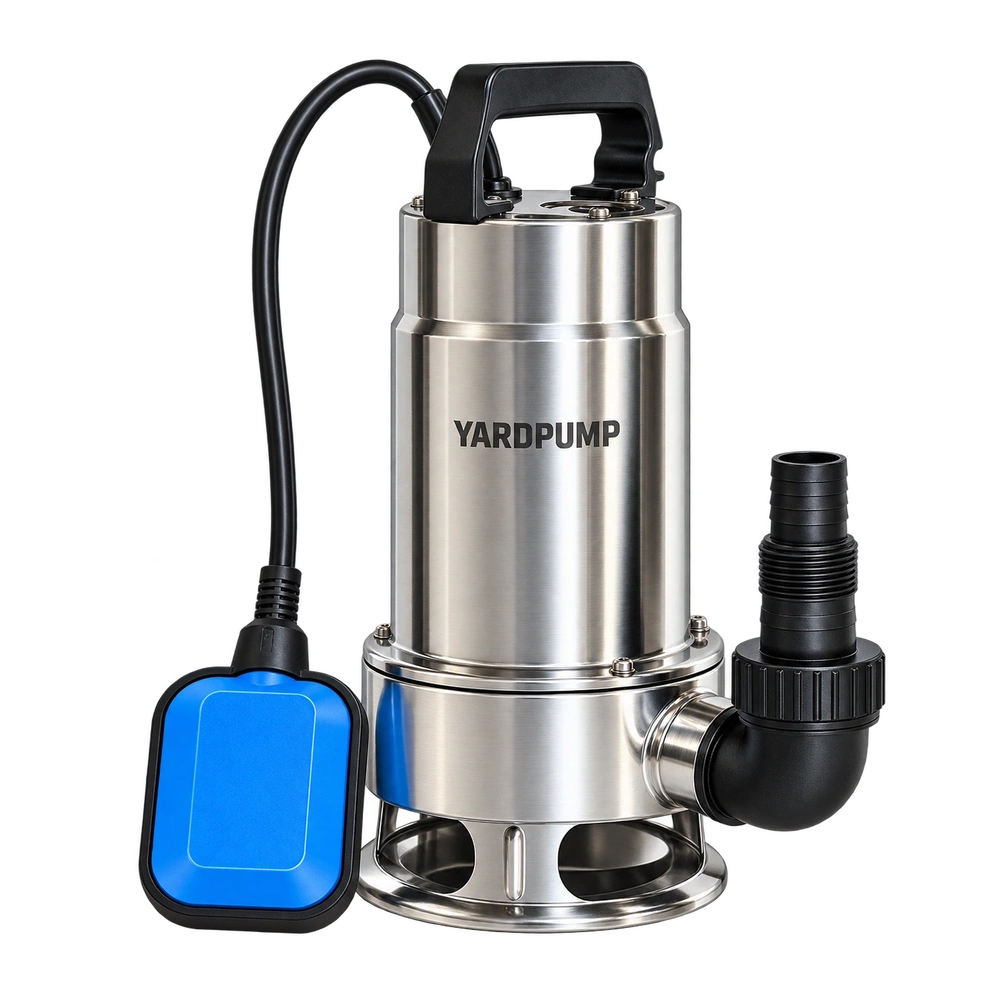
A pump that worked before a check valve was fitted may occasionally hum without moving water because air is trapped between the casing and the closed valve. A centrifugal impeller cannot build the required pressure in air as it does in a continuous water path. A correctly located anti-airlock opening can release that air, but its need, size and location are model-specific and must not be copied blindly from the internet.
What drives the result
After shutdown, the valve retains the upper water column while the pump casing can collect air through draining or agitation. At the next start, the impeller churns gas instead of establishing a liquid path. A specified vent opening is normally between the pump discharge and check valve and remains within the prescribed wet or covered zone. Too small an opening clogs; too large creates excessive bypass. Poor orientation can spray water toward electrics or people.
An illustrative way to check
With power isolated, first verify the inlet, impeller and valve direction. Then check the model instructions for an integral vent or a required drilled opening. A safe water test should show the expected small bleed flow and stable main discharge over repeated stop-and-restart cycles. Rapid blockage indicates a water-quality or maintenance problem, not merely a hole-size problem.
A sound investigation of sump pump check valve air lock separates hydraulic, motor, structural and installation observations before connecting them. Replacing the first damaged part may restore operation temporarily while leaving the initiating cause untouched. Start with safe isolation and stated operating limits, preserve the original condition, examine the installation and liquid, and only then dismantle internal components. Comparison units must use the same voltage, frequency, piping, water level and running time; otherwise differences in current, temperature or sound have little diagnostic value.
Actions for the site or purchasing team
- Use the exact manual to confirm whether an opening is required and its permitted size, position and direction.
- Keep any approved vent between pump and check valve; never drill a pressure or electrical housing.
- Test several complete stop, drain-back and restart cycles rather than one successful start.
- Add the opening to maintenance inspection, with power disconnected before cleaning.
- If flow still fails, continue through inlet, impeller, valve disc, lift and pump-curve checks.
Limits and application boundary
Some pumps contain an internal vent. Drilling the wrong product can damage it or alter approval status. Modifications require competent personnel following manufacturer instructions.
Frequently asked questions
Does every check-valve installation need a vent hole? No. It depends on pump design and manufacturer instructions.
Is a larger hole safer from air lock? Excess size wastes flow and may create a hazardous jet.
Is water from the hole a leak? In a specified arrangement it can be normal bleed flow; judge from the manual and location.
Related reading
Sump Pump Running but No Water Comes Out: Airlock, Blockage or Discharge Problem?
Why Does a Sump Pump Bang When It Stops? Follow the Sound Before Replacing the Pump