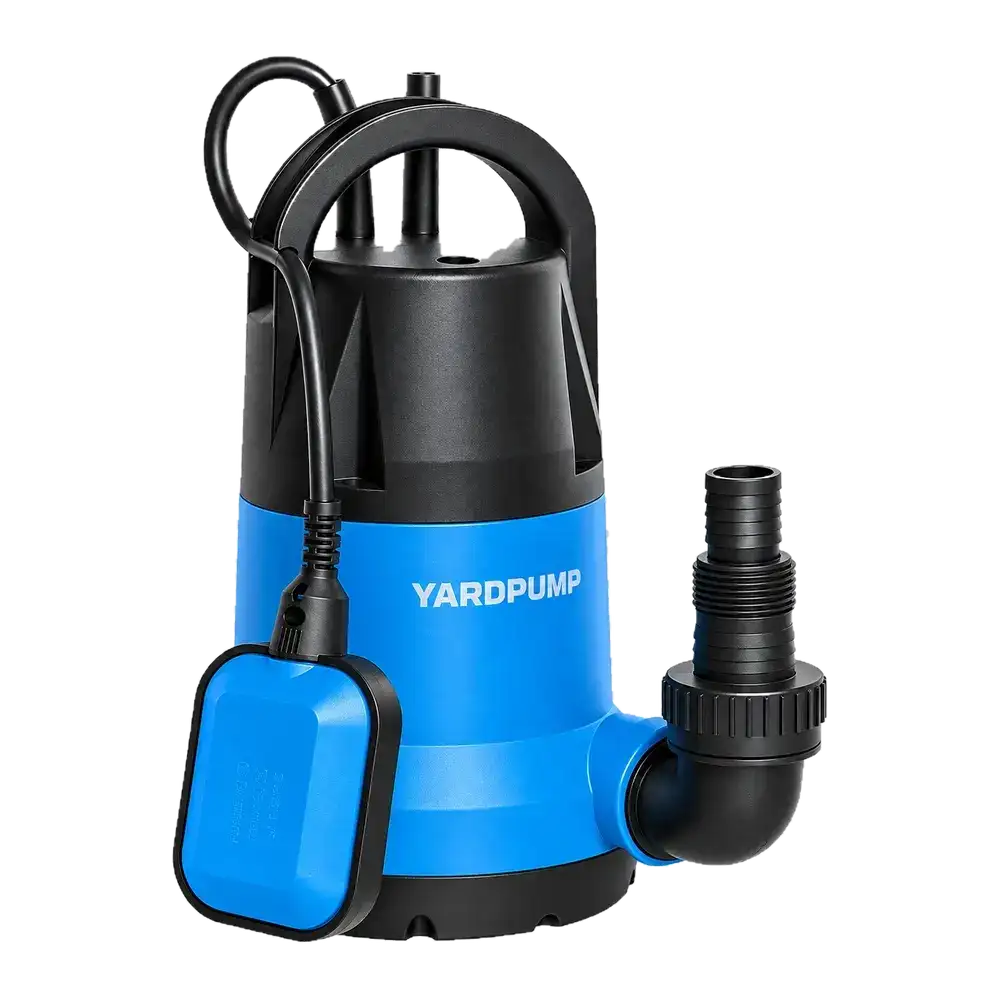
Short answer: Stop relying on the pump until the cause is identified. A motor sound with little or no discharge may result from trapped air, a blocked intake or impeller, a closed or obstructed discharge, insufficient water, an electrical/mechanical fault, or a mismatch between the installation and the pump. An airlock is one possibility—not a diagnosis from sound alone.
A scenario the service desk should recognize
A homeowner hears the sump pump start after heavy rain, but the pit level does not fall. The motor sounds active and the discharge line has a check valve. The owner concludes that the motor is fine because it makes noise. That is unsafe reasoning: a sound cannot prove that the impeller is rotating correctly, that water is entering the pump, or that the discharge path is open.
An airlock occurs when trapped air prevents the pump from moving water as intended. Some sump-pump designs provide an air-bleed path in the housing or require a specific vent arrangement in the discharge line when a check valve is fitted. Other designs differ. Never assume a hole should be drilled in every pump or pipe.
What observations are useful before anyone dismantles anything?
| Observation | Possible interpretation | Safe next action |
|---|---|---|
| Motor sound, pit water not falling | Airlock, blockage, impeller/drive problem, closed discharge | Stop operation; document model, water level and discharge arrangement |
| Pump works intermittently after installation changes | Air trapped or control/pipe configuration changed | Compare with approved installation drawing and model manual |
| Water returns to pit after stopping | Check-valve or discharge backflow issue | Record timing and location; arrange competent inspection |
| Breaker or ground-fault device trips | Possible electrical fault or unsafe installation | Do not reset repeatedly; isolate and obtain qualified assistance |
| Little water remains around the intake | Inadequate operating level or dry-running risk | Stop; check minimum operating level in the manual |
These are triage clues, not a permission to touch live equipment or a definitive diagnosis.
Airlock and the check valve are connected—but not interchangeable
A check valve limits reverse flow after the pump stops. It does not itself guarantee that trapped air can escape during startup. Some manufacturer instructions call for a specific air-bleed or vent feature below the valve, and some products already incorporate one. Placement and dimensions are design-specific; changing the piping without the applicable manual can create leaks, spray, loss of performance or safety problems.
A separate article may explain the loud bang when a check valve closes. This guide addresses the different search question: the motor is apparently running but water is not being delivered. The diagnostic and service response must not be confused with a noise complaint after shutoff.
The distributor's evidence card
Record the model and electrical version; installation date; pit dimensions and water level; control method; discharge pipe diameter and height; check-valve position; whether a manufacturer-specified vent exists; recent plumbing changes; and a safe photo/video of the installation taken without entering water or touching energized equipment. Do not ask a customer to reach into a flooded pit, defeat a protective device or drill a hole while the system is connected.
If the pump fails to remove water during a flood, arrange safe alternative drainage and qualified support. Never assume that the presence of an airlock explanation rules out a damaged motor or electrical hazard.
For related selection boundaries see Sump Pump Models, Pump Guides and Contact.
FAQ
Does a humming motor prove the pump is healthy? No. Sound alone cannot verify impeller movement, hydraulic flow or electrical condition.
Should every installer drill an anti-airlock hole? No. Follow the exact manufacturer's installation instructions; some designs already have a vent, and requirements differ.
Is this the same as water hammer? No. Water hammer often refers to a transient noise when flow stops or reverses. Airlock concerns inability to establish or maintain flow.