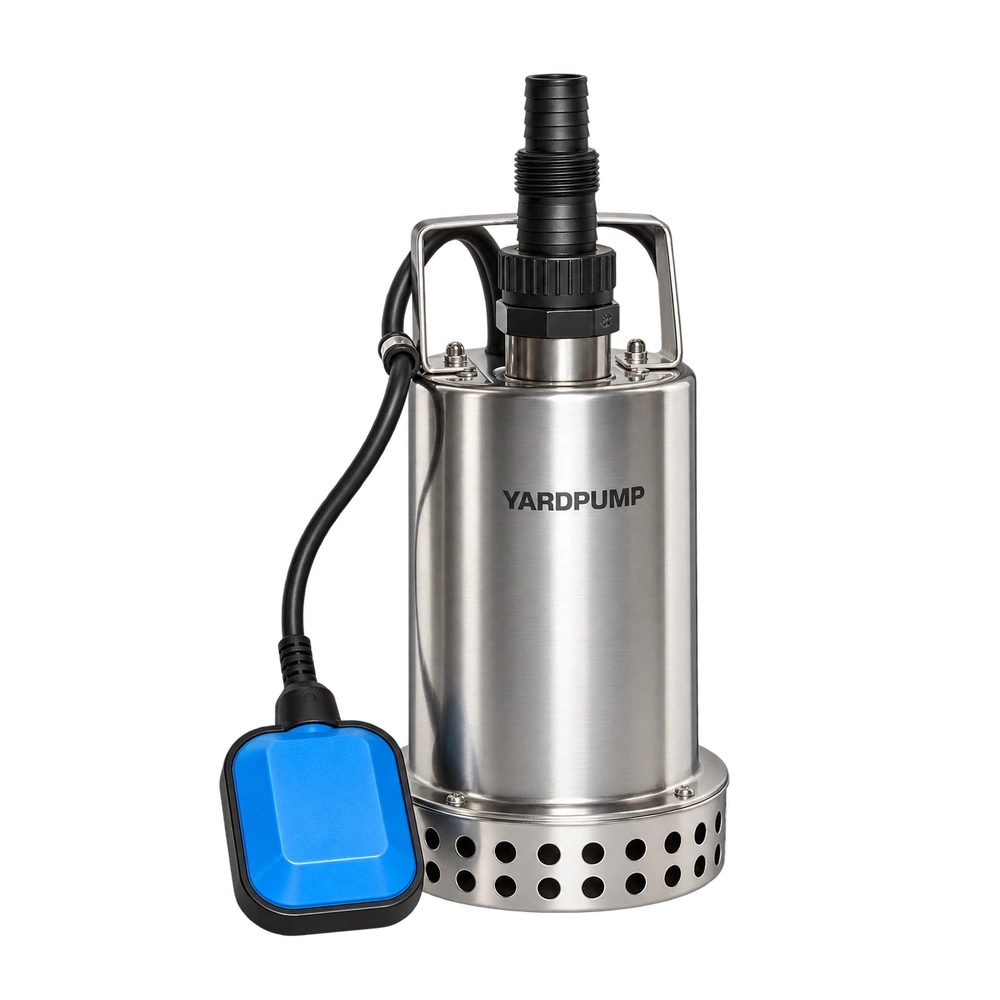
Imagine a sump float swings freely when a technician checks it beside an empty bucket. Back in the installed pit, water climbs higher along the wet wall and the pump still does not start. First check whether the float meets or sticks against the wall under the real level and inflow conditions. Dry movement does not reproduce wet surfaces, cable position or installed clearance. A wet wall alone also does not prove adhesion. Deposits, ledges and other equipment can restrict movement.
Reconstruct the geometry at failure
Float controls operate through buoyancy and their particular mechanical arrangement. A tethered float also depends on its anchor, free cable length and cable bend. There is less room to move when the float approaches a wall. A wet film, deposits or sticky material can add resistance at contact, and a projection can catch the float. The effect depends on the materials, geometry, water and direction of inflow. A single contact line cannot identify the mechanism. A loose anchor, a rotated pump or a displaced hose can produce a similar symptom.
Retain a safe photo or record of water level, pump and wall position, and discharge layout. Do not move the float with the equipment live or bridge the control to force a start. Have appropriate personnel assess electrical, sewage or pit-entry risks. Isolate and verify the safe condition before inspecting. Any test requiring operation should use the approved guarded or controlled arrangement. A removed float that moves freely has not reproduced the original installation.
Compare the two environments under repeatable conditions
Check the released attachment point, nearby obstacles and permitted water levels. Note which way the float approaches the wall and whether it returns after contact. With an approved representative water test, compare the original attachment position and an allowed arrangement without the suspected interference. Record repeatable start and stop levels. Where relevant, represent the wet surface and direction of incoming water. Mark the starting geometry before changing it so the original state can be understood. Restore only an approved installation after the test.
For illustration, a float repeatedly switches at similar levels in an open comparison tank. Beside a representative wall, it occasionally remains against the side while water rises through the expected range. Switching returns when it is moved to a permitted location. That supports investigating contact, but the technician still needs to check deposits, anchoring and supply. The example does not establish any required clearance or a lifetime guarantee from one successful trial.
Use the evidence to choose an installation or service change
Where the instructions allow it, restore clearance and secure nearby lines. Verify that the switching range still respects minimum cooling level and maximum acceptable water level. A pit that is too narrow for the allowed float movement may need a compatible compact control or a different layout. If the fault persists without interference, have qualified personnel assess the float, controller and supply. A wet comparison in representative geometry answers the user’s question more directly than shaking the float in air.
Map ledges, brackets and temporary leads against the highest and lowest float positions and its turning path. If the view is limited, use approved observation arrangements rather than asking someone to enter the pit. Mark suspected contact as unconfirmed.
If inflow changes after rain, note the natural position of the cable and whether water entering the pit pushes the float toward a different contact point. A dry swing test does not preserve either condition.
Frequently asked questions
How can a smooth wet wall interfere?
Clearance, direction and any material on the surface can change the contact. Observe the installed state instead of relying on appearance.
Can a shorter float cord solve the problem?
It may change the switching positions. Adjust only under the product instructions and verify both operating limits afterwards.
Can I push the float away by hand during the test?
Do not intervene while it is energised or able to start. Use an approved safe test or qualified service.