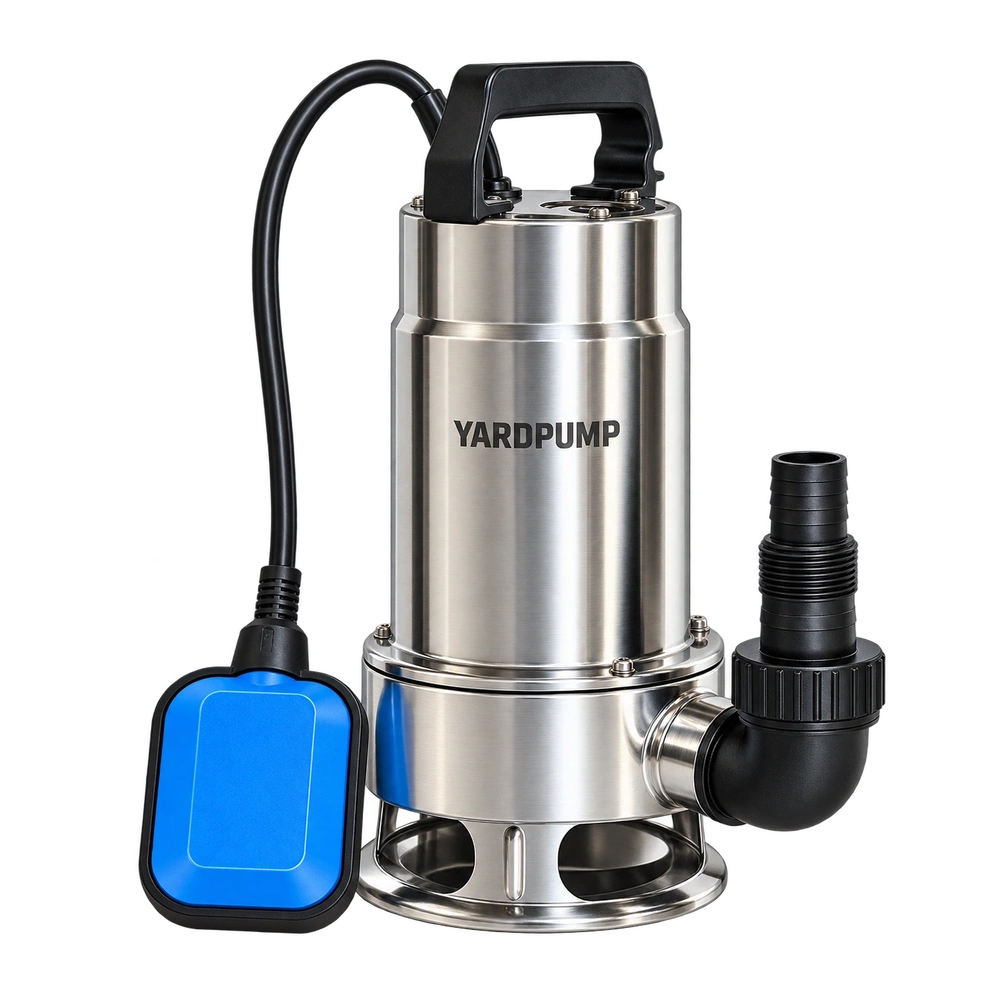
Imagine a basement sump pump that drains as expected but produces a low hum above the lid from the moment it starts until it stops. Before replacing the pump, investigate how the lid and pipe opening carry existing vibration into the room. A lid, a rigid pipe and the surrounding structure can change how sound travels. A louder sound does not establish a bearing fault. If the water level does not fall, the pump starts repeatedly or there is a new scraping sound, investigate drainage and electrical safety first.
Sort the noise by when it happens
A sustained hum during operation points first toward motor or water flow vibration, pipe contact and the lid's response. A single bang at shutdown leads to a different investigation of the check valve and moving water. Repeated short bursts without a corresponding rise in water level call for a check of the float, controls and possible return flow. A useful service recording includes both the beginning and end, so a shutdown impact does not get the same treatment as a continuous noise.
Consider an illustrative installation. The rigid riser touches one side of the hole through the lid. The pipe vibrates a little while the pump runs, and the wider lid radiates sound that is easier to hear near the stairs than beside the pump. An installation can also change how the sound carries through air around the cover and its openings without firm pipe contact. A louder spot near the lid is a clue. It does not identify the path by itself. Water level and discharge duty can affect the pump sound too, so record those conditions when comparing.
Observe with the required lid in place
From a dry position at a consistent distance, record one ordinary pumping cycle. If the installation has a safe viewing point, note whether the water level falls and whether discharge stays steady. Tell service when it first became noticeable: after a lid change, check valve installation, pipe adjustment or other work. Sketch the lid fixing, pipe opening and pipe supports. A phone can change gain automatically. Recordings from different devices or distances do not establish a decibel difference, but the timing and sound quality at a fixed location can still be useful.
With the pump isolated, a technician familiar with the installation can look for rub marks around the opening, displaced pipe clamps, a loose cover or uneven contact with the rim. The technician also checks clearances for the discharge line, cable and float. Do not remove a required cover while the pump is operating or reach near a pump that can start automatically. Do not drill a sealed cover or use loose filler in a cover with a specified protective function. Changes can affect the enclosure, access and movement of the equipment.
Verify both noise and drainage after a change
If pipe contact or a support is transmitting vibration, correct alignment, support or the appropriate isolation connection under the installation requirements. Restore the cover to its specified condition and compare a complete cycle. Preserve pipe support, secure connections and full float travel; do not wedge loose objects against a noise source. Check that the water level still drops normally and the pump stops at an appropriate level. Lower noise is no improvement if it compromises drainage. If rubbing sound, unusual heat or reduced delivery remains after contact is corrected, investigate the pump and water path itself. For a dealer, recording the precise contact that was corrected is more useful than reporting that a replacement happened to be quieter.
Note whether the retest returns to a comparable water level and discharge rate. If the noise fell only because the pump delivered less water, first verify that the system still meets the drainage demand. Then decide whether the change actually reduced vibration transmission.
Frequently asked questions
Does the loudest spot prove the lid is faulty?
No. Pipe contact, vibration of the cover and airborne sound can all make the area louder. Check installation evidence and duty.
Can I stuff foam under the lid to see if it helps?
Avoid loose material that could interfere with the float, access or protection. Have service assess changes against the cover and pump requirements.
What if I hear one thud as the pump stops?
Treat it separately. Review the check valve, return flow or shutdown transient. This article addresses a sustained hum while pumping.