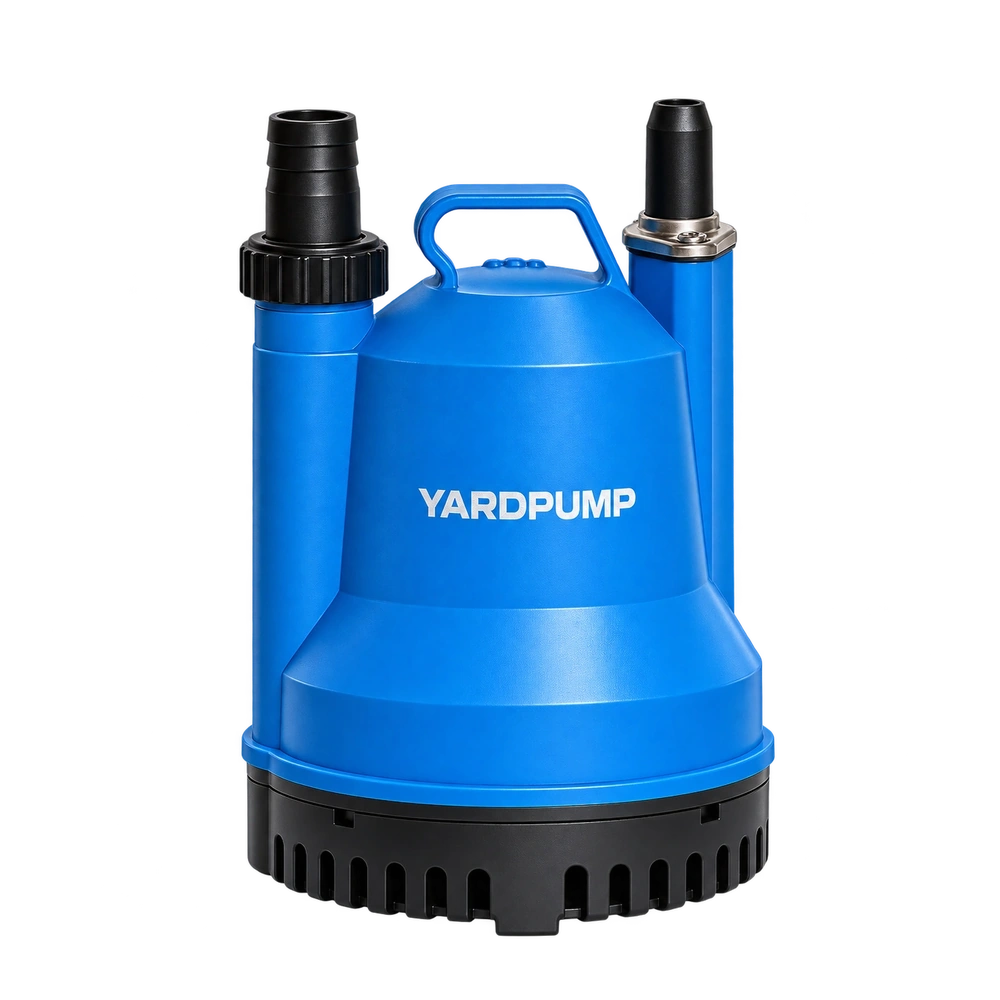
Suppose an automatic submersible pump cycles on water level and the meter shows 0.1 kilowatt-hours over half an hour. Divide by half an hour and you get about 200 watts. That is the average input for the entire window. If the pump was off for part of that window, 200 watts is not the input while the motor was turning. It also cannot establish the rated shaft output. Match the measurement boundary and actual running time before deciding whether to arrange a power test at the specified duty.
Identify what the energy meter included
Energy accumulates as power is used over time. A meter on a whole circuit can include a controller, alarm, backup pump or another appliance. Record start and finish readings, what was metered, the clock and the display resolution. A display that increments in hundredths of a kilowatt-hour can cause a large change in a calculation from a short test. Have qualified personnel establish the measurement boundary and suitable electrical conditions. Do not handle connectors around standing water to add a meter.
Use a controller log, a safe external observation that distinguishes actual operation or suitable test equipment to establish running time. Separate the waiting interval, starting, normal pumping and abnormal running without delivery. A high float or a run command does not prove the pump actually moved water or that the motor remained energized. Knowing how many times the float switched does not give the duration of each run. Without those durations, the calculation still gives the average over the full window.
Use the example for the right comparison
In an illustrative half-hour interval, suppose the meter covers only the pump and its controller and records 0.10 kilowatt-hours. Dividing by 0.5 hours gives an overall average of 0.20 kilowatts. Suppose actual running time is 15 minutes and the controller averages two watts during the other 15 minutes. Waiting uses about half a watt-hour. The remaining 99.5 watt-hours divided by 0.25 hours gives an estimated running-period average of about 398 watts. That can still include control loads during operation and the effect of starts. It is not a steady operating point's motor input. These are assumed values, not pump measurements or acceptance tolerances.
Sometimes standby use is unknown or the interval starts halfway through a cycle. State what remains included. Recording several complete cycles on one clock reduces the effect of mismatched timing and coarse resolution. For real input at a steady duty, have qualified personnel measure it directly at the agreed flow, head and supply. Voltage multiplied by current does not always give real electrical input either.
Check which power the nameplate actually describes
A plate or data sheet can describe electrical input, shaft output or a rating at specific conditions. Overall average input, running-period input, steady input, shaft output and hydraulic power are different quantities. Confirm the manufacturer's supply, frequency, duty and power definition before asking for matching evidence. A display by itself is not evidence of a false rating. If the field problem is slow drainage, record water level, delivered flow, head and hose arrangement too. An energy reading does not replace a drainage test.
For service, ask for meter readings and timing gathered from a dry, safe location. If there are electrical symptoms, moisture at connections or protective trips, stop use and have qualified personnel isolate the equipment. Do not bypass the float to extend runtime or run outside allowed water levels to collect a longer reading.
Frequently asked questions
Is 200 watts the wrong calculation from 0.1 kWh in half an hour?
The calculation is correct for the full interval. It does not give running input if the pump spent time waiting.
Can I compare the running-period estimate directly with shaft watts?
No. It is still electrical input within the chosen boundary and includes relevant losses or control loads.
Will another half hour always solve a low-resolution reading?
Not necessarily. Check the size of the change, complete cycles and consistent timing. Measure directly when the question is real input at a steady point.