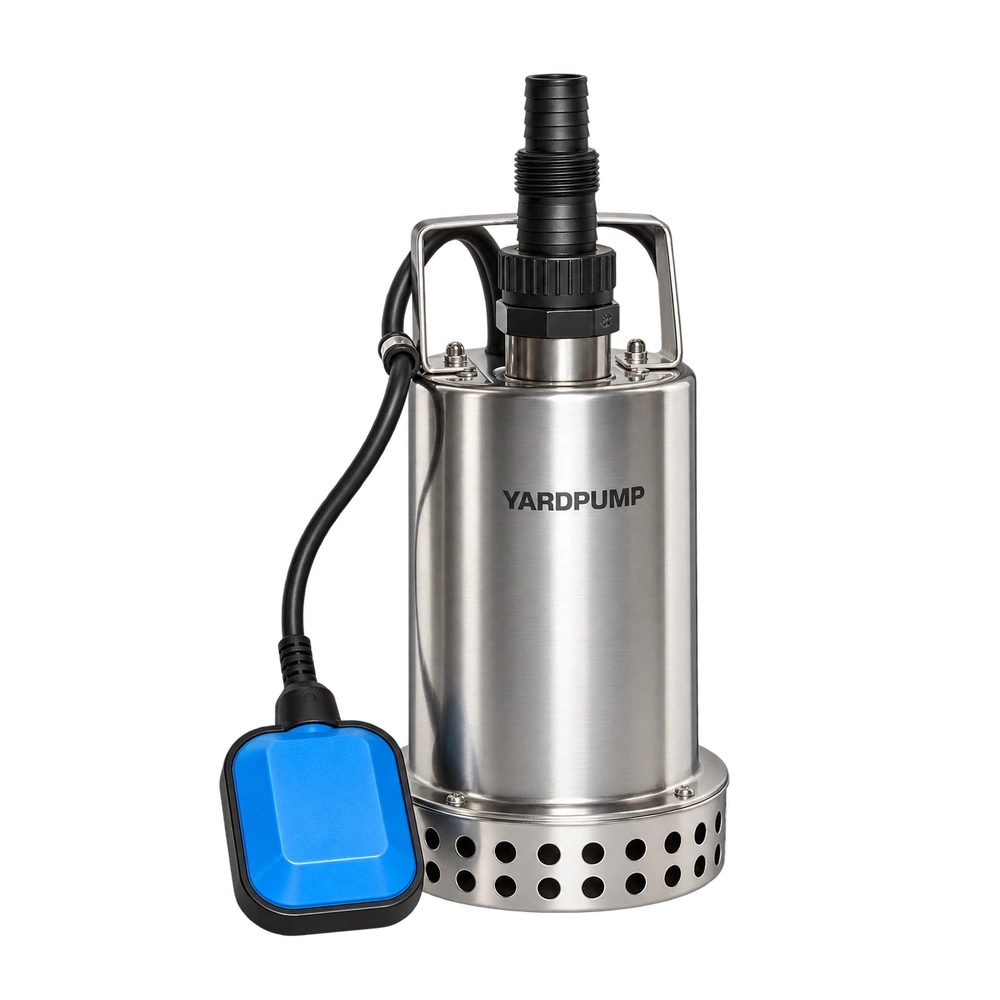
A replacement cable has the same conductor area, core count and commercial designation as the existing part. Its supplier proposes immediate substitution. For a submersible pump, that is insufficient. The cable provides conduction and insulation, but also forms a sealing interface and must survive bending and termination. The same label does not establish the same installed behaviour.
Define requalification around the affected interfaces. Neither automatic exemption nor an unsupported claim that every certification must be repeated is a sound change decision.
Identify the exact replacement version
Compare manufacturer, full designation, conductor construction, insulation and sheath materials, declared environmental range and diameter tolerances. Cable printing alone does not describe every relevant parameter. Samples should represent the proposed production process rather than a specially prepared length that differs from normal supply.
Check the scope, model and holder of any certificate, report or conformity document. A cable’s own documentation does not automatically establish sealing or electrical performance after installation in a pump. Where a controlled critical component is affected, the responsible compliance specialist must determine the applicable notification, approval or additional assessment requirements.
Diameter is a distribution, not just an average
An entry seal depends on the actual cable fit. Too small a diameter can leave insufficient compression; too large a diameter can hinder assembly or impose excessive strain. Ovality, sheath hardness, surface condition and long-term compression behaviour can matter even when average diameter appears unchanged.
For illustration, assume an approved entry accepts 8.0–8.5 mm cable. The existing cable is supplied at 8.2–8.4 mm, while measured replacement samples span 7.9–8.4 mm. Similar averages do not remove the replacement’s out-of-range portion. These dimensions are hypothetical, not YARDPUMP specifications. Extra tightening is not a substitute for confirming compatibility.
| Change area | Main checks | Suitable evidence |
|---|---|---|
| Conduction and insulation | Resistance, construction and insulation dimensions | Documents and approved testing |
| Cable entry | Diameter, ovality, hardness and compression | Dimensional distribution and assembled sealing tests |
| Internal termination | Stripping, crimping, bending and retention | Sections, pull tests and process verification |
| Environment | Water, temperature, flexing and media | Assessment matching the actual claim |
Test the cable in its installed state
A different cable can require revised stripping settings, crimp height or routing. Verify it on the intended production equipment, not only as loose wire in a laboratory. If assembly yield changes, retain defect categories and rework history. A sample adjusted repeatedly by an operator is not evidence of first-pass process capability.
Sealing verification should use the actual entry, specified tightening condition and declared operating boundary. Depending on the risks and requirements, this may include checks after bending or thermal cycling. The test plan should explain why each condition is included; it should not accumulate unrelated tests merely to look comprehensive.
Qualified personnel must perform electrical and immersion-related tests on controlled equipment. A live demonstration improvised beside a water container is not an acceptable purchasing shortcut.
Keep the change connected to production traceability
After approval, update the BOM, incoming criteria, assembly settings and spare compatibility information. Define the first serial or production batch using the new source. If old and new cables coexist, retain their identity so that different entry conditions do not disappear under one model name.
Require notification for subsequent changes in compound, manufacturing location or other agreed characteristics. If environmental or longer-term evidence remains incomplete, retain a pending status rather than treating a lower price as approval. Include tooling, inspection, rework and document changes in the cost comparison, not just the price per metre.
Retain the cable reel, batch and production identity of qualification samples. A short piece from one reel end may not represent dimensional variation; the quality plan should determine coverage. After approval, focus initial incoming and assembled checks on the identified interfaces to confirm that production supply matches the qualified condition.
Frequently asked questions
Is a larger conductor automatically a safer replacement?
No. Cable diameter, bending, termination, insulation and seal fit still have to match the complete design.
Can loose-cable tests replace an assembled pump check?
They support incoming qualification, but cannot establish the behaviour of the entry seal and internal termination.
Can an identical-looking cable be used before documents are completed?
Appearance is not approval. Complete the applicable change assessment and controlled release before production substitution.