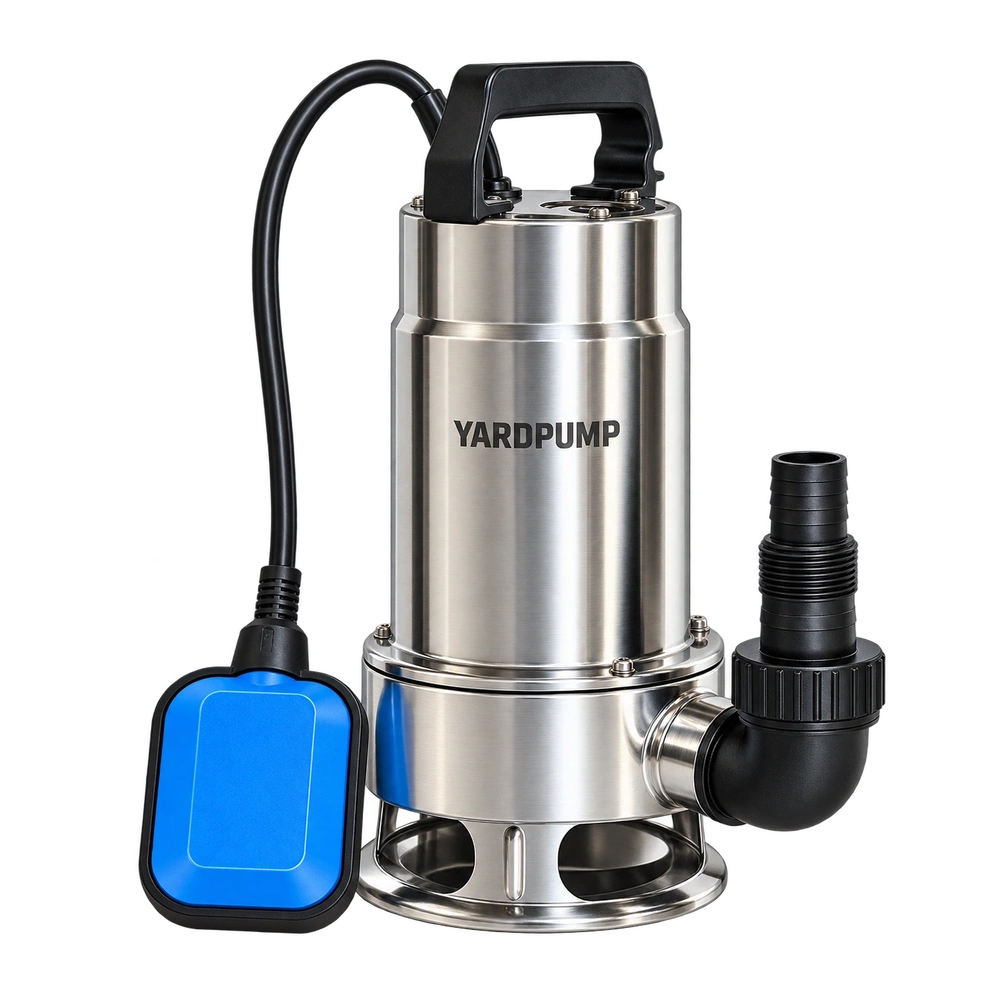
A plastic pump develops cracks near screws after being wiped with a cleaning product. The customer suspects poor plastic. In this illustrative situation, the investigation should examine both the environment and stress. Environmental stress cracking can involve the combination of a material, chemical exposure and tensile stress. A resin name or the description “household cleaner” is not enough to explain the assembled product's failure.
Compatibility data has a test boundary
Material compatibility information generally refers to particular media, concentrations, temperatures and specimen conditions. Good behaviour of an unstressed specimen does not necessarily establish that an assembled housing will resist cracking under screw loads, moulding residual stress or sustained service loading. Read a short compatibility rating alongside its actual test conditions.
Stress may originate in moulding, assembly, installation or operation. Chemical exposure may come from wiping, cleaning, contaminated water or retained fluid. Their combined effect does not mean the material is unsuitable in every environment. Equally, the presence of a cleaner does not justify blaming the user for every crack. Actual material and manufacturing evidence still need preservation.
Identify the exposure precisely
Collect the cleaning product's full identity, label information, dilution history, contact time, temperature and application method. Record whether the part was wiped or soaked, rinsed or left with residue. “A cleaner was used” is not enough. Do not ask a customer to mix cleaning products to reproduce the fault; that can create hazards and makes the exposure harder to interpret.
Check for oil, solvents or other unknown contaminants as well. Surface wiping and prolonged immersion are different conditions. A dilute liquid at room temperature cannot be compared directly with a hot concentrated exposure. If the return has already been cleaned, record that intervention. The altered surface is no longer an untouched picture of its condition at failure.
| Evidence category | Useful details to retain |
|---|---|
| Material | Approved resin and formulation, batch and part revision |
| Environment | Product identity, concentration, temperature, duration and contact method |
| Stress | Screws, supports, installation loads and relevant moulding records |
| Failure appearance | Crack initiation, propagation direction and surrounding condition |
Location guides an investigation without proving a cause
Cracks near screws, corners or joints can indicate local stress, but those locations may also be influenced by other factors. Weld lines, impacts, excessive tightening and dimensional interference need to be distinguished through evidence. Automatically blaming tightening because a screw is nearby, or chemicals because a cleaner was used, can miss an interaction between causes.
Consider a clearly hypothetical comparison. Two specimens of the same approved material encounter the same medium. One is unstressed; the other represents assembly stress. Their behaviour can differ, so the first result cannot automatically validate the second condition. The example does not claim that any named cleaner damages a particular pump. It explains why verification must represent the actual load and exposure together.
Design verification around a decision
Technical personnel should assess compatibility with the actual medium. Where needed, use representative specimens or assemblies, controlled stress and defined concentration, temperature and duration, with suitable controls. Arbitrarily increasing concentration or temperature until cracking occurs does not directly establish normal service life. Accelerated conditions need a defensible interpretation rather than an impressive-looking failure photograph.
Check the approved cleaning procedure and service limits at the same time. A change of cleaner, resin or related material should trigger an assessment of affected interfaces. Restored appearance is not sufficient verification. A cracked pump should be removed from service, isolated and inspected by qualified personnel. An external adhesive patch does not establish restoration of the original enclosure protection.
Prevent the combination that caused the damage
Define acceptable cleaning and rinsing methods, avoiding unverified solvents or aggressive cleaning processes. Control assembly force, interference, sharp transitions and other relevant sources of stress. Specifying a more expensive plastic is not a universal solution. A suitable material still requires a suitable design and manufacturing process.
Purchasing requirements should retain precise material identity, exposure conditions and representative verification. After-sales records should connect the use history with the part batch. These links allow a corrective action to address an established combination of conditions instead of leaving supplier and customer to exchange unsupported explanations.
Frequently asked questions
Can stress cracking occur despite a favourable compatibility rating?
It can. Check the stated medium and test conditions, especially whether stress, temperature and contact method represent the assembly.
Does a crack beside a screw prove excessive tightening?
No. Assembly, moulding, dimensions and chemical exposure may interact. Assess the original evidence before assigning the cause.
Does changing the plastic eliminate assembly verification?
No. Confirm the new material's processing, dimensions, loading and exposure behaviour for the intended application rather than comparing material names alone.