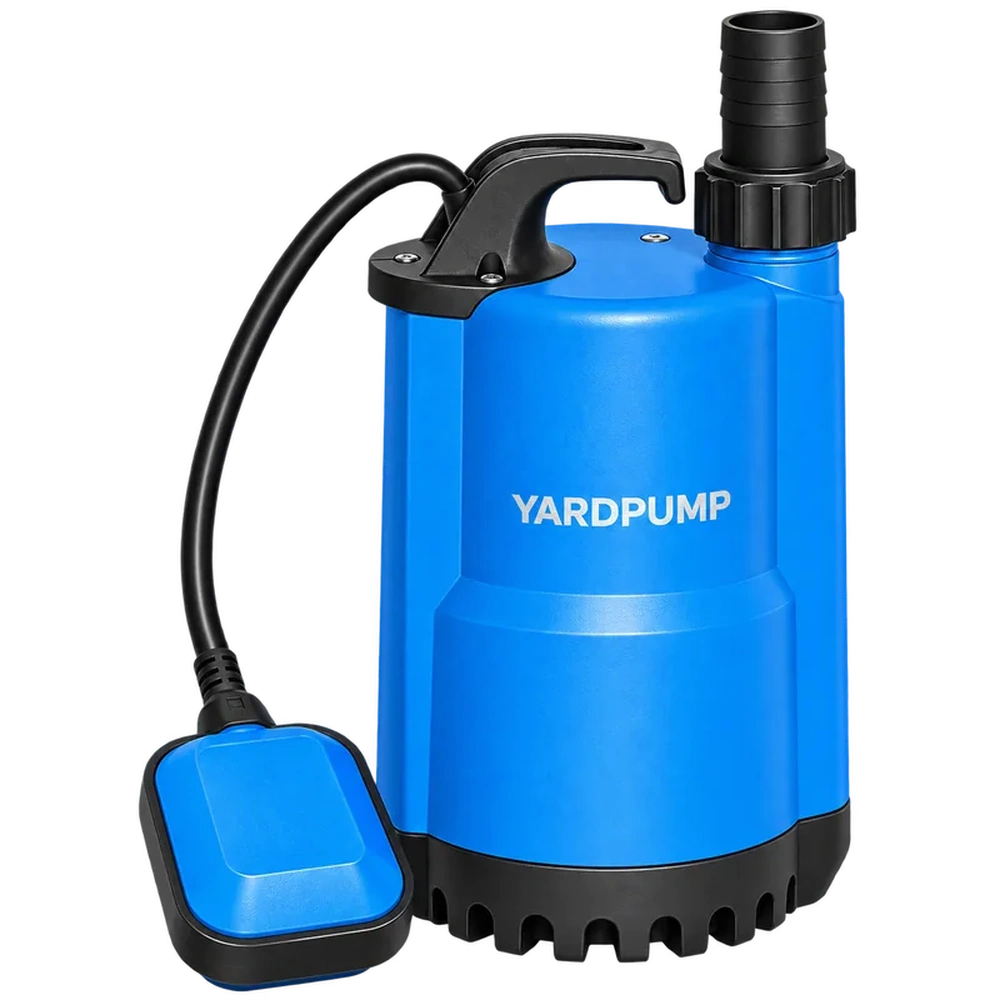
An unused pump develops bearing noise after delivery. It is tempting to argue that an unrun bearing cannot have worn. That is incomplete. Small repeated movements at stationary rolling contacts can create fretting wear commonly described as false brinelling. It differs from permanent indentation caused by overload, impact or an incorrect mounting force path.
Equally spaced raceway marks alone do not establish which mechanism occurred. Combine physical evidence with assembly, transport and storage history.
Stationary contacts can still move microscopically
Transport vibration or nearby operating machinery can produce repeated small relative movements. The contacts remain concentrated in limited positions rather than following the normal rotating path. Lubrication and wear conditions therefore differ from ordinary running.
Marks may follow rolling-element spacing and may include debris or oxidation colour. These features support investigation but are not a stand-alone diagnosis. True brinelling involves plastic deformation from contact loading, while fatigue, corrosion and electrical erosion involve other mechanisms. More than one damage mode can coexist.
Preserve the original condition and logistics history
Record the pump’s orientation and support in the package, transport mode, warehouse duration and proximity to persistent vibration. Photograph the restraint before dismantling. Preserve grease, debris and mark distribution before cleaning under the analysis procedure.
Casual washing can remove evidence. Spinning a dirty removed bearing at high speed is also an inappropriate diagnostic shortcut. Competent personnel should handle the assembly and preserve the relationship between parts and their original orientation.
| Evidence | What it can support | What it cannot establish alone |
|---|---|---|
| Marks at rolling-element spacing | Contact positions and loading pattern | Transport vibration as the sole cause |
| Fretting wear and associated debris | A false-brinelling hypothesis | Responsibility for a specific route stage |
| Plastic indentations | Impact or overload investigation | Mounting as the exclusive origin |
| Logistics and assembly records | A likely time window | Closure without physical analysis |
Isolate transport variables in a comparison
For a hypothetical study, same-configuration retained units remain satisfactory after controlled storage, while another group exposed to a proposed distribution condition develops related noise. This supports investigation of transport factors. Initial sample differences must still be excluded and the bearing evidence examined.
It is an illustrative study design, not a measured complaint rate. Preserve pre-test condition, package revision, exposure sequence and comparable post-test results. Repeatedly vibrating one already damaged pump does not establish when its original damage occurred. Bearing or failure-analysis specialists may be needed rather than relying on listening alone.
Prevention is not an improvised rotor lock
Improved package support, reduced unnecessary vibration, suitable storage location and design-approved transport protection may help. However, a shaft-lock arrangement used on a large motor cannot automatically be copied to a compact submersible pump.
Clamping an impeller or inserting an object can damage the shaft, seal or housing and creates a risk that the restraint remains during starting. Any lock or periodic-rotation requirement needs confirmation by the designer, including installation, removal and verification instructions. It is not a general instruction for end users.
Packaging changes should also be checked for transferred loads at the cable entry, float and outlet. Reducing one motion while concentrating another load can exchange one problem for another.
Connect acceptance with the service investigation
Retain factory running condition, pack revision and receiving observations separately. A pattern associated with a route or storage environment should trigger assessment of that exposure before changing the bearing brand. Isolate abnormal units and use qualified personnel for safe dismantling.
Do not ask the customer to open the pump or reach through the inlet to turn the impeller. The objective is to identify a defensible mechanism and prevent recurrence without creating new electrical or mechanical hazards.
Long storage near persistent vibration sources deserves assessment, but proximity alone does not prove damage. Record the environment and sample condition, then compare appropriately. A transport improvement should retain protection against drops and handling loads rather than reducing one vibration direction at the expense of another hazard.
Frequently asked questions
Does false brinelling prove inferior bearing material?
No. Contact, vibration, lubrication and support conditions all matter. Evaluate the exposure history.
Do equally spaced marks prove transport responsibility?
No. Assembly overload and other events can also create marks at rolling-element positions.
Can extra running polish the marks away?
Do not use that as a remedy. Continued operation can extend damage and destroy evidence. Assess repair or replacement through the fault procedure.