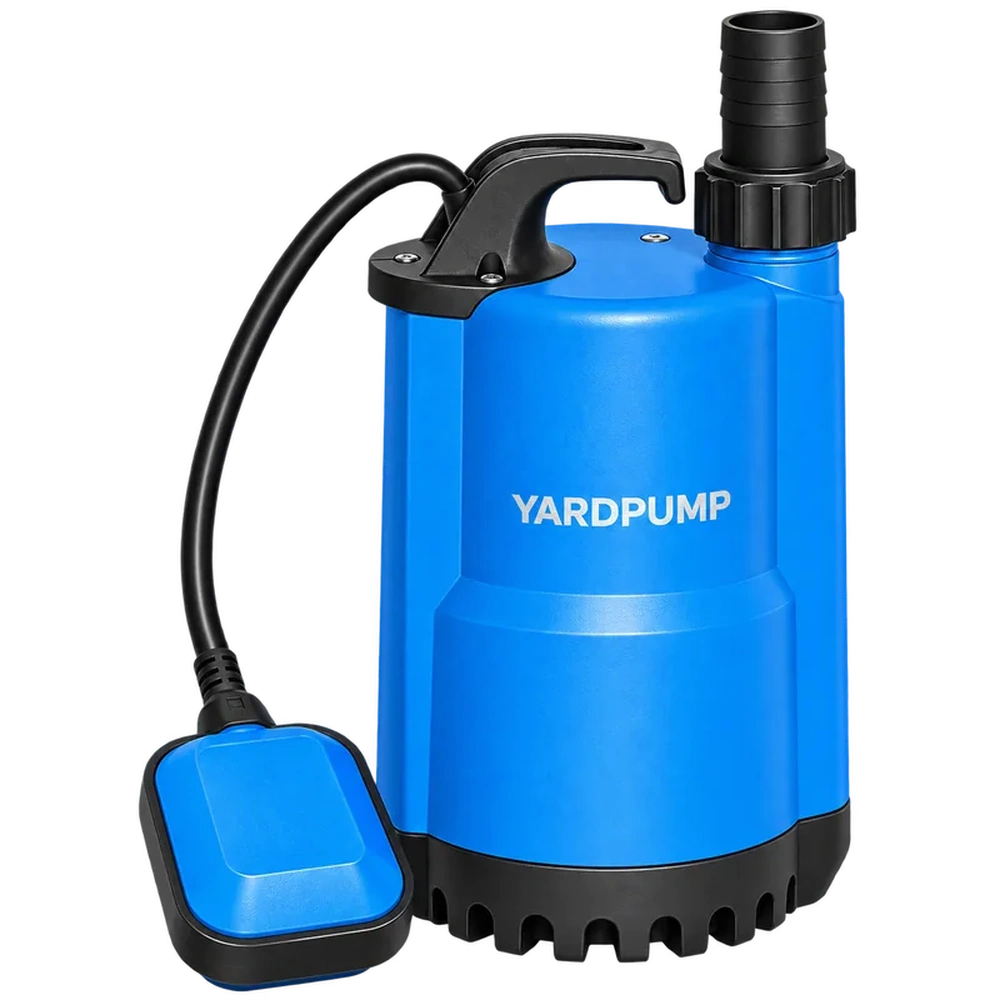
A distributor plans to leave a pump cable outdoors permanently because “black rubber cable is sunlight-resistant.” That is not sufficient evidence. Colour alone does not establish ultraviolet resistance. The actual sheath material, formulation, construction and relevant verification govern suitability. A cable approved for immersion is not automatically suitable for prolonged sunlight, temperature changes and mechanical wear above the water.
Black appearance is only a clue
Some formulations use carbon black and other ingredients to improve weathering performance. Seeing a black surface does not establish the amount, dispersion, complete formulation or verified behaviour. Different black sheaths can have different weather, oil, flexibility and abrasion characteristics. Specifying only “black cable” leaves important outdoor conditions unresolved.
Identify the complete cable designation, manufacturer, conductor and sheath construction, together with the approved specification. A weather-resistance claim for a different cable on the supplier's website does not automatically cover the delivered version. A proposed substitute needs evidence for its actual construction, not merely a colour match. Keep the identification linked to the production configuration.
Immersion and sunlight are separate exposures
A pump cable may remain partly submerged while another section crosses the waterline and lies outdoors. Temperature, moisture, bending and tensile conditions can differ along that route. Establishing suitability of the underwater section does not answer the sunlight question above it. Likewise, a generic outdoor description does not authorize indefinite immersion at any depth.
Distinguish the sheath from the plug, connector and pump enclosure. An ingress rating for one connector or the pump does not establish ultraviolet resistance of the cable material. It also does not authorize submerging an otherwise unsuitable connection. The limiting exposed interface may have little to do with the apparent robustness of the pump housing.
| Capability to verify | Relevant conditions | Insufficient substitute |
|---|---|---|
| UV or weather resistance | Light, temperature and defined test conditions | A black appearance |
| Immersion suitability | Medium, duration and permitted installation | A generic outdoor description |
| Mechanical suitability | Bend radius, abrasion and tensile loading | A visibly thick sheath |
| Connection protection | Connector construction and permitted location | The pump's enclosure rating alone |
Ask for evidence that matches the supplied cable
Connect documentation to the actual markings, supplier and revision. For a UV or weathering report, check specimen construction, method, conditions, criteria and results. “Passed a sunlight test” is too vague to define coverage. An accelerated test also cannot be converted directly into a fixed outdoor service life without an applicable model and supporting conditions.
For an existing installation, record exposure locations, service duration, environment and maintenance. Consider a clearly hypothetical case: the underwater section appears normal, while an exposed bend has cracked. This supports investigating the different exposures, but does not prove sunlight is the only cause. Bending stress, cleaning chemicals, abrasion and the original material still belong in the assessment.
Improve routing within the approved limits
Follow the installation instructions for supports and strain relief. Do not suspend the pump by its cable. Avoid sharp edges, unsuitable bend radii and unnecessary repeated flexing. Appropriate shading may reduce direct exposure, but does not turn an unsuitable cable into a verified outdoor version. A cover must not create overheating, trapped water or another mechanical hazard.
If a sheath cracks, hardens abnormally or may have allowed conductor damage, stop use and isolate the supply. Qualified personnel should inspect and apply the approved repair or replacement process. Taping a joint underwater or coating a crack does not establish restored insulation and sealing. The cable entry, complete-product protection and relevant electrical checks remain part of the repair question.
For long-term outdoor procurement, describe both submerged and above-ground routing. Confirm the suitability of the complete cable and every connection interface. That is more useful than ordering a vaguely specified “sun-resistant black cable” and discovering after installation that the supplier and buyer assumed different service conditions.
Frequently asked questions
Is black cable necessarily more sunlight-resistant than pale cable?
No ranking can be made from colour alone. Compare the actual sheath formulation, construction and relevant verification or declared conditions.
Does adding a sun cover remove the need to check cable specifications?
No. It changes part of the exposure but cannot replace material suitability or introduce heat, water retention or mechanical damage.
Can a cable with small cracks remain in use if the pump still runs?
Operation is not evidence of safety. Isolate the equipment and have qualified personnel assess the required repair or replacement.