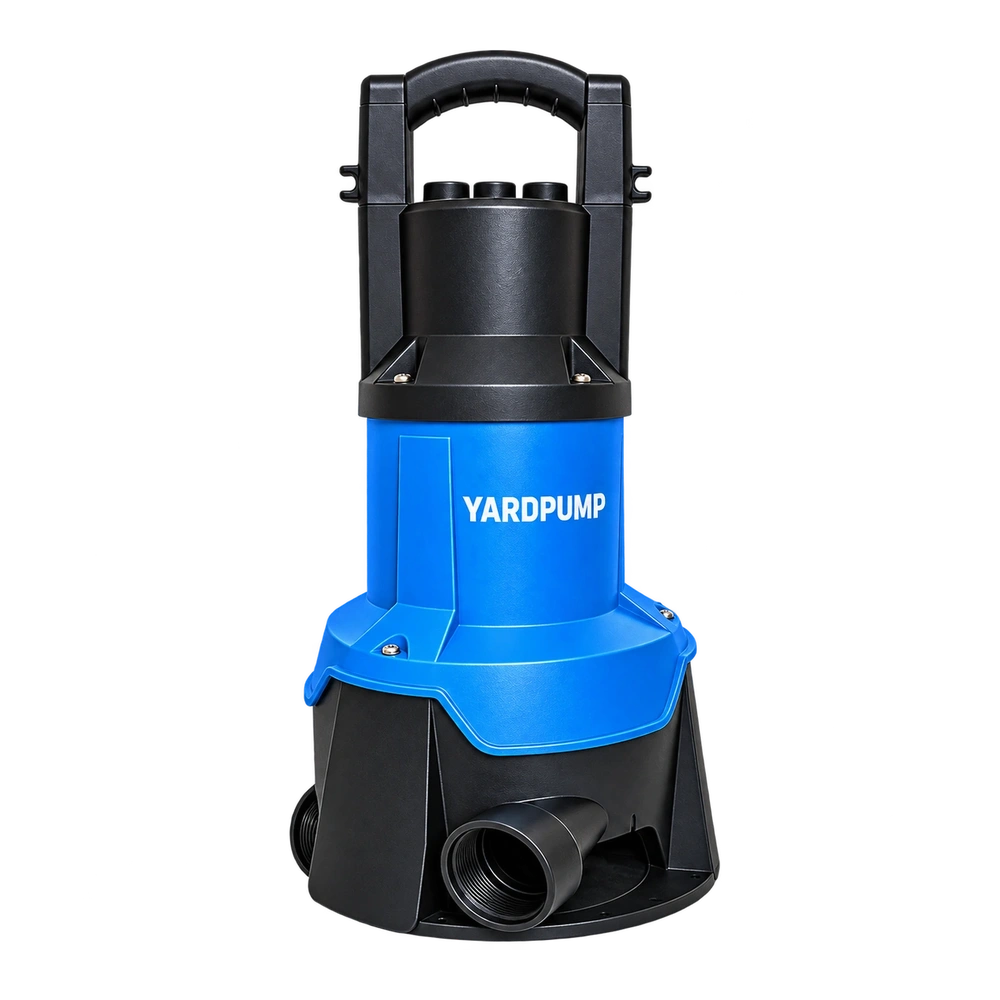
A buyer proposes replacing a 70-hardness O-ring with an 80-hardness version because “harder seals leak less.” First clarify the measurement: these numbers should identify Shore A hardness under specified conditions, not temperature or a universal seal-quality grade. Increased hardness may change extrusion resistance, contact deformation and assembly behaviour. It does not replace compound compatibility, dimensional control or gland design.
Make hardness measurements comparable
Results depend on the method, specimen geometry, thickness, temperature and reading conditions. Pressing an ordinary durometer against a thin, curved finished ring may not produce a result comparable with a standard test specimen. A supplier's plaque measurement and a casual measurement on a finished ring should not appear as equivalent values without explanation.
State the scale, method, permitted range and specimen identity in the specification. If the finished part requires a suitable miniature or other method, agree that approach before making acceptance decisions. A measurement difference is not automatic proof of a compound change. Moving the probe or changing reading time merely to obtain matching numbers destroys the value of the comparison.
Equal hardness does not identify an equal compound
Compounds with the same hardness can differ in media compatibility, temperature capability, compression set and ageing behaviour. Even materials within the same elastomer family need not have identical formulations. A record that says only “NBR, 70 hardness” may not provide enough identification for a critical application or later investigation.
Link the material family, approved compound or supply designation, required properties and batch identity. Hardness is a useful characteristic, but it is not a compound fingerprint. A reading of 70 cannot establish compatibility with the actual oil, water, cleaning medium and temperatures. Those conditions require their own evidence appropriate to the intended service.
| Decision area | What hardness contributes | What else must be checked |
|---|---|---|
| Resistance to deformation | Relative hardness under a stated method | Pressure, clearance and extrusion conditions |
| Contact and assembly | Information relevant to deformation and fitting force | Gland, cross-section and compression |
| Media suitability | No sufficient answer by itself | Actual compound and exposure conditions |
| Long-term sealing | No guarantee from initial hardness | Ageing and changes under compression |
A harder part changes the assembly question
Greater hardness can help resist extrusion in some conditions, but it also changes assembly forces and accommodation of surface or dimensional variation. If the original leak came from a burr, a twisted ring or a distorted joint, changing hardness may leave the cause untouched. A material change should follow the identified mechanism rather than substitute for finding it.
Consider a clearly hypothetical proposal to replace a nominally identical 70 Shore A ring with an 80 Shore A ring. The example does not recommend that range for any pump. Check actual cross-section and tolerances, gland dimensions, assembly procedure, media and temperature. Verify the relevant sealing behaviour in the assembly. Two hardness measurements on loose parts cannot establish that the change is ready for production.
Connect return evidence with purchasing control
Isolate a leaking pump before competent personnel inspect it. Preserve the original ring position, contact marks, twisting and damage, then check for an incorrect size or mixed revision. A used elastomer may have changed during service. Its hardness cannot be compared unconditionally with a new-part acceptance limit or used alone to reconstruct the original supply condition.
For a production substitution, use approved specimens and traceable batches. Compare the required properties through consistent methods and verify sealing, assembly and relevant operating conditions in representative assemblies. Where the change affects conformity or a critical construction, assess its coverage through the applicable process. Unchanged nominal dimensions do not eliminate the need to evaluate a different compound or hardness.
The acceptance record should answer four practical questions: which compound, which hardness method, which gland and which verification. This connects a short incoming-material measurement with the complete sealing system. It also gives distributors a sound explanation when a harder replacement fails to resolve an existing complaint.
Frequently asked questions
Is 80 Shore A necessarily more leak-resistant than 70 Shore A?
No. Compound, geometry, pressure, temperature and assembly determine suitability. Hardness alone cannot rank sealing performance.
Can suppliers be interchanged when their hardness values match?
Not on that evidence alone. Confirm methods, compound identity, dimensions and relevant properties, then follow the approved substitution process.
Does changed hardness in a returned ring prove incorrect original material?
No. Exposure, temperature, ageing and measurement conditions can affect the result. Compare it with traceable original evidence and suitable specimens.