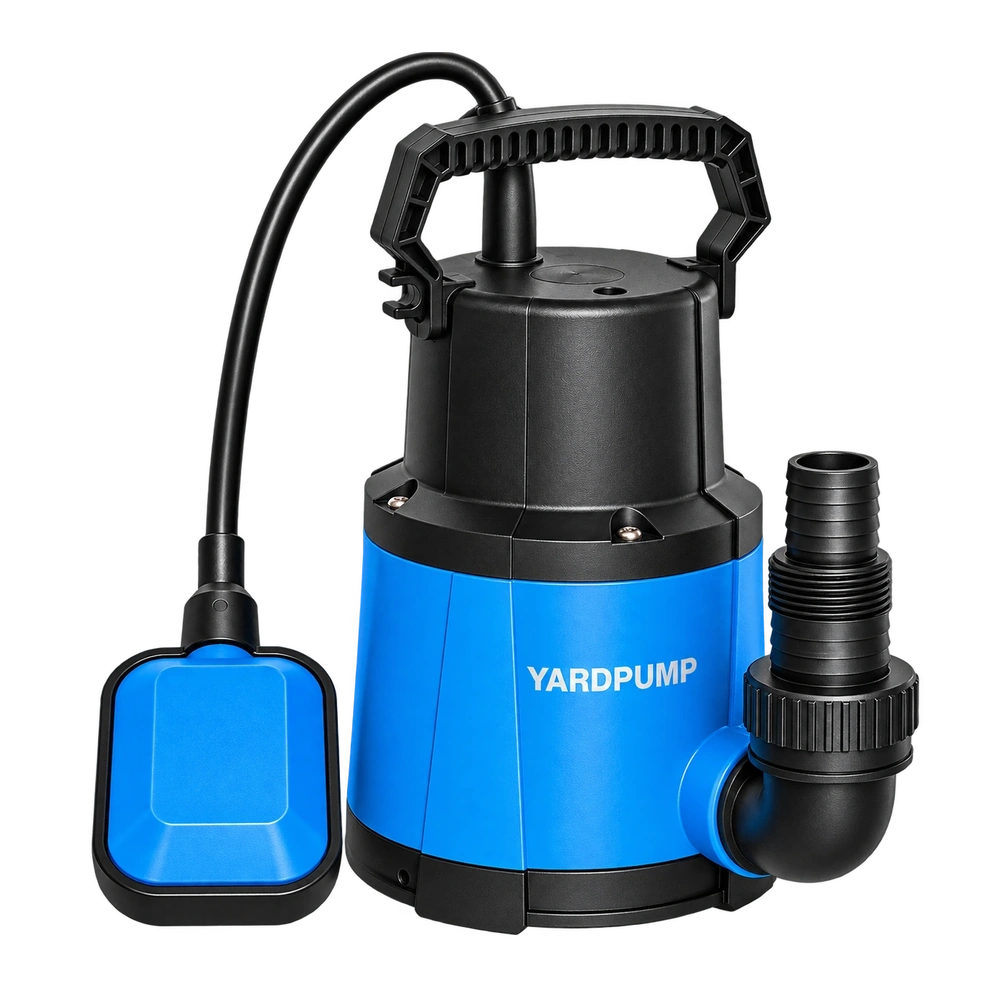
A garter spring is found loose inside a submersible pump’s oil chamber during assembly. An operator puts it back into the radial shaft seal and proposes continuing production. Is that enough? Not by itself. A displaced spring may accompany a rolled or cut lip, permanent spring deformation or an assembly problem that remains unresolved. The decision must address both the part and the process that displaced it.
What the spring does
This discussion concerns spring-loaded radial lip seals. Not every shaft seal uses this construction. In a spring-loaded design, the spring and elastomer lip together provide the intended radial contact force, helping maintain sealing contact as conditions change.
More spring tension is not automatically better. Cutting, stretching or substituting a similar-looking spring can change friction, heating and the lip’s ability to follow the shaft. Its specification belongs to the approved seal design.
A loose spring can also become foreign material inside the pump. Isolate the unit and account for the part rather than energising it to see whether it leaks. Internal inspection and repair belong with qualified personnel after electrical isolation and management of stored energy.
Establish when displacement occurred
Damage may originate in packaging, handling or storage, or during installation. A tool that loads the lip instead of the intended supported surface can distort a seal. An unprotected sharp shaft edge, thread or keyway may stretch or cut the lip during passage.
A loose spring does not, on its own, prove that the supplier delivered a defective seal. Removal during a return investigation can also disturb it. Record where it was found, whether the pump had operated, who dismantled it and how the seal was removed. Preserve photographs before further handling. Where evidence is incomplete, record the cause as undetermined.
| Observation | What to investigate | Decision focus |
|---|---|---|
| Displacement before operation | Packaging, incoming condition and assembly sequence | Find the first stage at which it occurs |
| Cut or rolled lip | Shaft transitions, installation protection and tooling | Replace damage and correct the process |
| Stretched spring or damaged joint | Correct part version and handling loads | Avoid informal hand adjustment |
| Displacement found only after removal | Dismantling method and original evidence | Separate service failure from removal damage |
Define a controlled rework decision
Lock the seal version, material, dimensions and spring requirements to approved documentation. Ask the seal supplier or responsible designer which conditions permit repositioning and which require replacement. A production seal with uncertain lip condition or a distorted spring should not be accepted merely because someone can reinstall the spring.
Replacing a seal alone may leave the cause in place. Inspect the shaft contact surface, housing entrance and tooling for damage or incorrect support. Use the approved protection and lubrication procedure. An arbitrary grease may be incompatible with the elastomer, fluid or assembly process.
Do not use adhesive to keep a spring in its groove unless that specific process is explicitly approved by the seal supplier and designer. A field improvisation can interfere with lip movement or introduce contamination.
Make lot containment proportionate to evidence
Suppose an inspection finds two displaced springs. This is a hypothetical example, not a claim about any manufacturer’s failure rate. Contain the relevant units, then investigate shared seal batches, tools and assembly periods. Use the findings to determine how far inspection or rework must extend.
The absence of visible leakage on other pump housings does not establish the condition of their internal seals. Likewise, a single successful demonstration after rework does not validate an unchanged production process.
After correction, complete the seal and whole-pump safety checks appropriate to that design. Retain the replacement part identity, operator, inspection results and release decision. A short leak check is useful within its scope; it is not proof of complete immersed service life. If installation tooling caused the issue, validate consecutive units made with the corrected process.
Frequently asked questions
Is a seal without a garter spring inferior?
No. Different seal constructions suit different duties, including fluid retention and contamination exclusion. Spring presence alone is not a quality grade.
Does smooth hand rotation prove a reinstalled spring is acceptable?
No. It provides limited information about rotation, not proof that lip geometry, spring force and sealing performance meet requirements. Follow the approved rework procedure.
Does a loose spring in a returned pump prove the original failure cause?
No. Establish the original condition and consider operation and dismantling effects. The spring may be a cause, a consequence or a disturbance introduced during inspection.